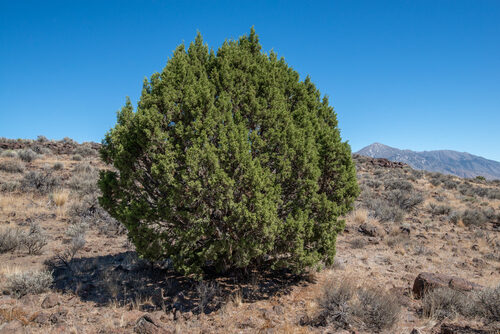
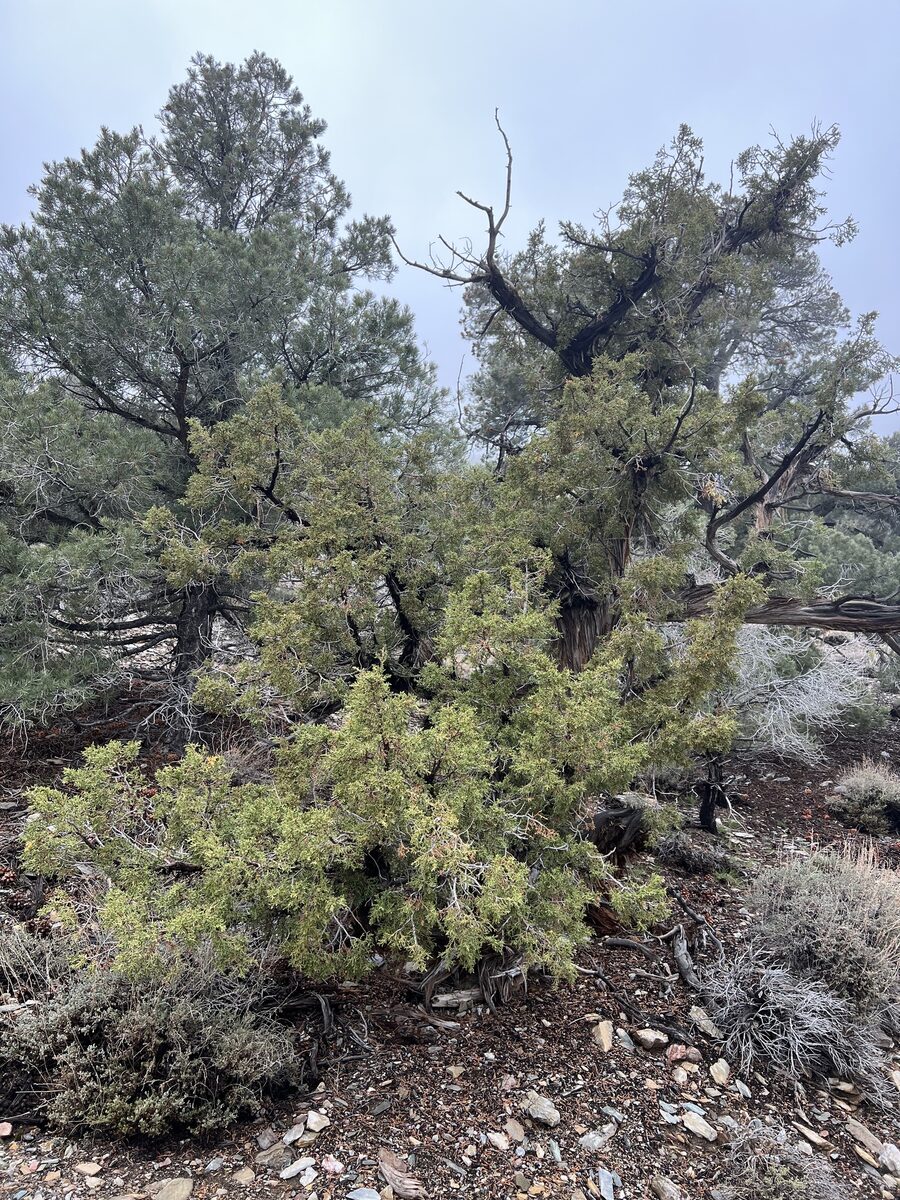
Cryptomeria japonica
(Thunb. ex L. f.) D. Don
Japanese cedar
iNaturalist· cc-by-nc
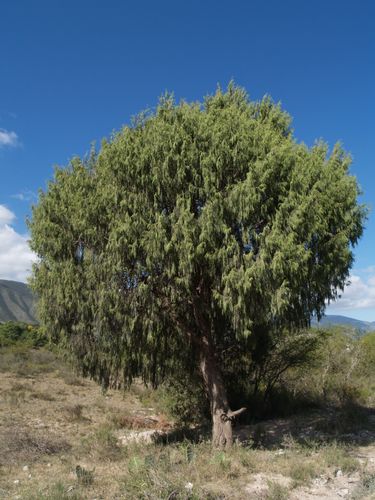
(c) cspons, some rights reserved (CC BY-NC)
iNaturalist· cc-by
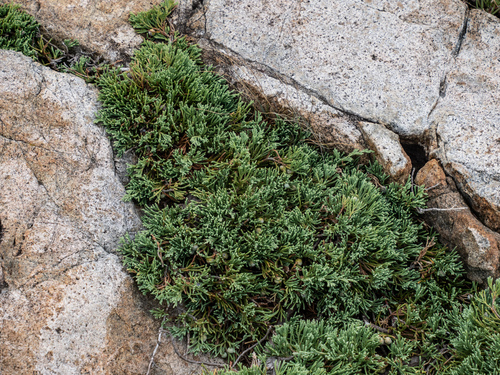
(c) Marco Mussita, some rights reserved (CC BY), uploaded by Marco Mussita
iNaturalist· cc-by-nc
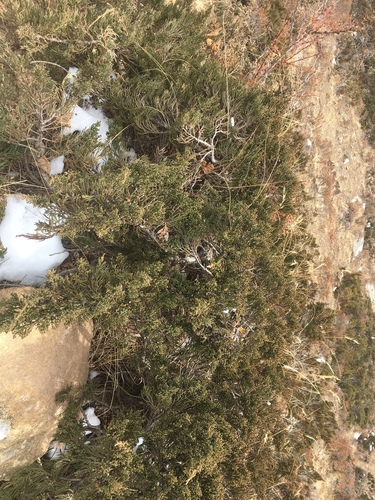
(c) Anne-Hélène Paradis, some rights reserved (CC BY-NC), uploaded by Anne-Hélène Paradis
Summary
Source: WikipediaA fast-growing evergreen tree reaching 20m tall and 8m wide. Hardy to UK zone 6. Produces male and female flowers from February to March, with seeds maturing October to March. Requires full sun and prefers moist soil; tolerates sandy, loamy, and clay soils across mildly acid to mildly alkaline pH ranges. Wind-tolerant but unsuitable for coastal exposure.
Description
A narrow cone shaped tree. It grows 27 m tall and spreads 6 m wide. The trunk is straight and it has small buttresses at the base. The bark is reddish-brown and fibrous. The branches are in tiers but they hand down at the tip. The adult leaves are dense and in spirals pointing forward. The male cones produce pollen. The female seed-bearing cones are further along the branches. There are several cultivated varieties.
Edible Uses
None known
Traditional Uses
The seasoned wood is used for casks, vats and kegs to age foods and impart fragrance.
This uses section is brief — help expand it
Medicinal Uses
An oil and/or resin from the plant is depurative and has been used in the treatment of gonorrhoea.
Distribution
It is a warm temperate to subtropical climate plant. It needs deep, moist, rich soil. It does best in a sunny position. In Indonesia it grows between 1,100-2,500 m above sea level. It suits hardiness zones 7-11. At Anvers Chocolate factory. Arboretum Tasmania.
Where It Grows
Africa, Asia, Australia, Britain, Caribbean, Central America, China*, Costa Rica, Czech Republic, Denmark, East Africa, Guam, Guatemala, Hawaii, India, Indochina, Indonesia, Japan*, Korea, Laos, Mauritius, Mozambique, Myanmar, Nepal, New Zealand, Northeastern India, Reunion, SE Asia, Sikkim, Slovenia, Southern Africa, Sweden, Tasmania, Turkey, Türkiye, USA, Vietnam, Zimbabwe,
Cultivation
It is grown from seeds. It can be grown from cuttings.
Propagation
Sow seed in a cold frame in early spring. Germination is improved by a short cold stratification of 2–3 weeks at 4°c before placing in a warm position; germination typically occurs within 3–9 weeks at 15°c. Prick seedlings into individual pots when large enough to handle and grow on in a greenhouse through at least their first winter. Plant out into permanent positions in late spring or early summer after the last expected frosts. Alternatively, move young trees to an outdoor nursery bed when around 8cm tall, grow on for a couple of years, then plant into permanent positions in late autumn or early spring. Take cuttings in autumn in sandy soil in a cold frame.
Other Uses
The leaves are highly aromatic and are used to make incense sticks. The tree is fairly wind-tolerant and suitable for shelterbelt plantings. The wood is light, fragrant and fine-grained, strongly rot-resistant and easily worked; it is used for buildings, bridges, ships, lamp posts, furniture, utensils and paper manufacture, and can serve as a substitute for Deal. Old wood that has been buried in the soil turns dark green and is particularly prized.
Notes
There is only one Cryptomeria species. Also put in the family Taxodiaceae.
Synonyms
Also Known As
Antiet, Dhuppi, Japanese sallo, Japonska srpovka, Sugi
References (7)
- Bodkin, F., 1991, Encyclopedia Botanica. Cornstalk publishing, p 304
- Facciola, S., 1998, Cornucopia 2: a Source Book of Edible Plants. Kampong Publications, p 241
- Kew Plants of the World Online
- Ryan, S., 2008, Dicksonia. Rare Plants Manual. Hyland House. p 66
- Sukarya, D. G., (Ed.) 2013, 3,500 Plant Species of the Botanic Gardens of Indonesia. LIPI p 217
Show all 7 references Hide references
- Sundriyal, M. & Sundriyal, R. C., 2004, Structure, Phenology, Fruit Yield, and Future Prospects of some Prominent Wild Edible Plant Species of the Sikkim Himalaya, India. Journal of Ethnobiology 24(1): 113-138
- Trans. Linn. Soc. London 18:167. 1841