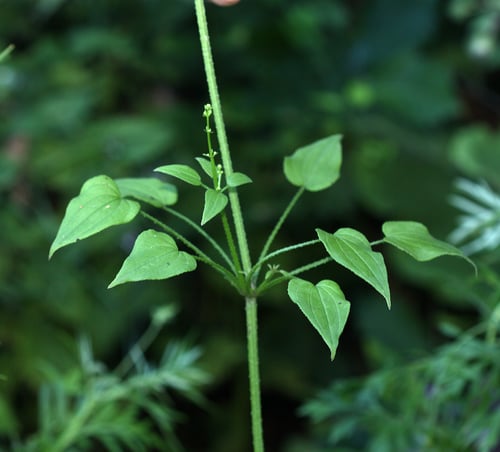
Leptactina benguelensis subsp. pubescens
(Benth. & Hook. f.) Good, Verdc.
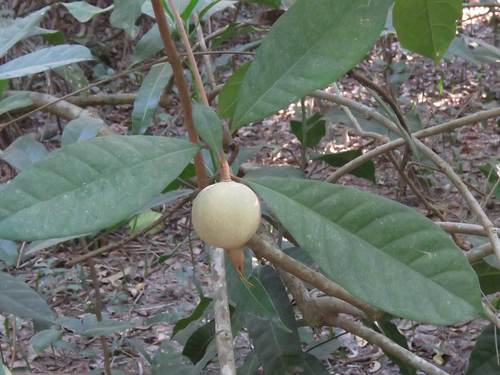
Ivory carpet
iNaturalist· cc-by
(c) i_c_riddell, some rights reserved (CC BY), uploaded by i_c_riddell
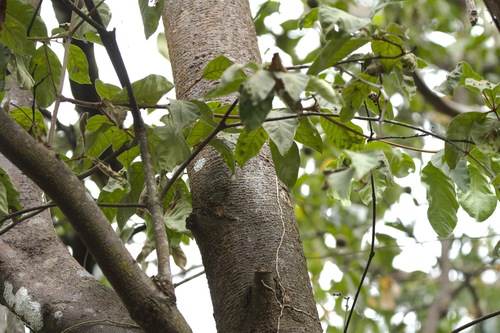
iNaturalist· cc-by-nc
(c) Dan Lee, some rights reserved (CC BY-NC), uploaded by Dan Lee
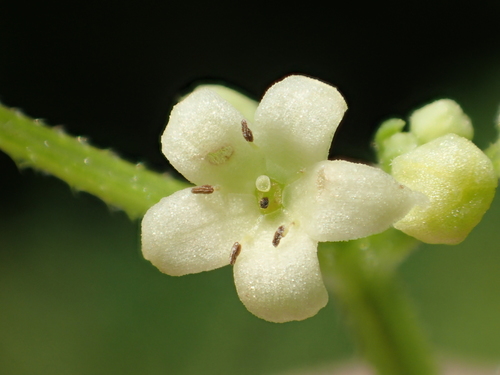
iNaturalist· cc-by
(c) i_c_riddell, some rights reserved (CC BY), uploaded by i_c_riddell
Description
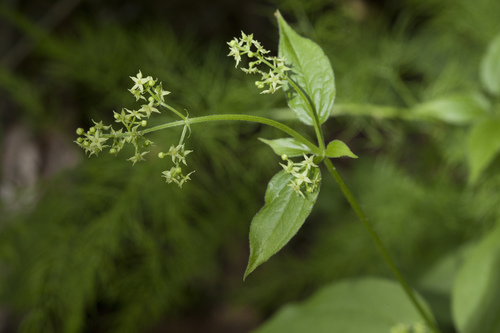
A plant that lies along the ground. It forms carpets. The leaves are oblong or sword shaped. The leaf blades are densely hairy underneath. The flowers occur singly or in small groups at the ends of branches. They have a scent. The flower tube is white. It is 3-6 cm long. It is hairy on the outside. The lobes are spreading. They are up to 4 cm long. The fruit is oval and orange when ripe. Flowering starts at the first rains.
Edible Uses
The orange fruits are eaten when ripe, and the sweet nectar is sucked from the flowers.
Traditional Uses
The fruit are eaten. The sweet nectar is sucked from the flowers.
This uses section is brief — help expand it
Distribution
It is a tropical plant. It grows in woodland and sometimes beside rivers. It grows between 540-1,740 m altitude.
Where It Grows
Africa, Angola, Central Africa, Congo, East Africa, Malawi, Mozambique, South Africa, Southern Africa, Tanzania, Zambia, Zimbabwe,
Notes
There are about 25 Leptactina species.
Synonyms
Also Known As
Ibungano, Mavya-ga-ntubili, Mulangu, Ngobole ngoshai
References (5)
- Facciola, S., 1998, Cornucopia 2: a Source Book of Edible Plants. Kampong Publications, p 212
- Flora Zambesiaca. http://apps.kew.org/efloras
- Fowler, D. G., 2007, Zambian Plants: Their Vernacular Names and Uses. Kew. p 57
- Peters, C. R.,
- Peters, C. R., O'Brien, E. M., and Drummond, R.B., 1992, Edible Wild plants of Sub-saharan Africa. Kew. p 171