Pseudostachyum polymorphum
Munro
gbif· cc-by
Royal Botanic Gardens, Kew
gbif· cc0
Conveyor Belt
gbif· cc-by
Meise Botanic Garden
Description
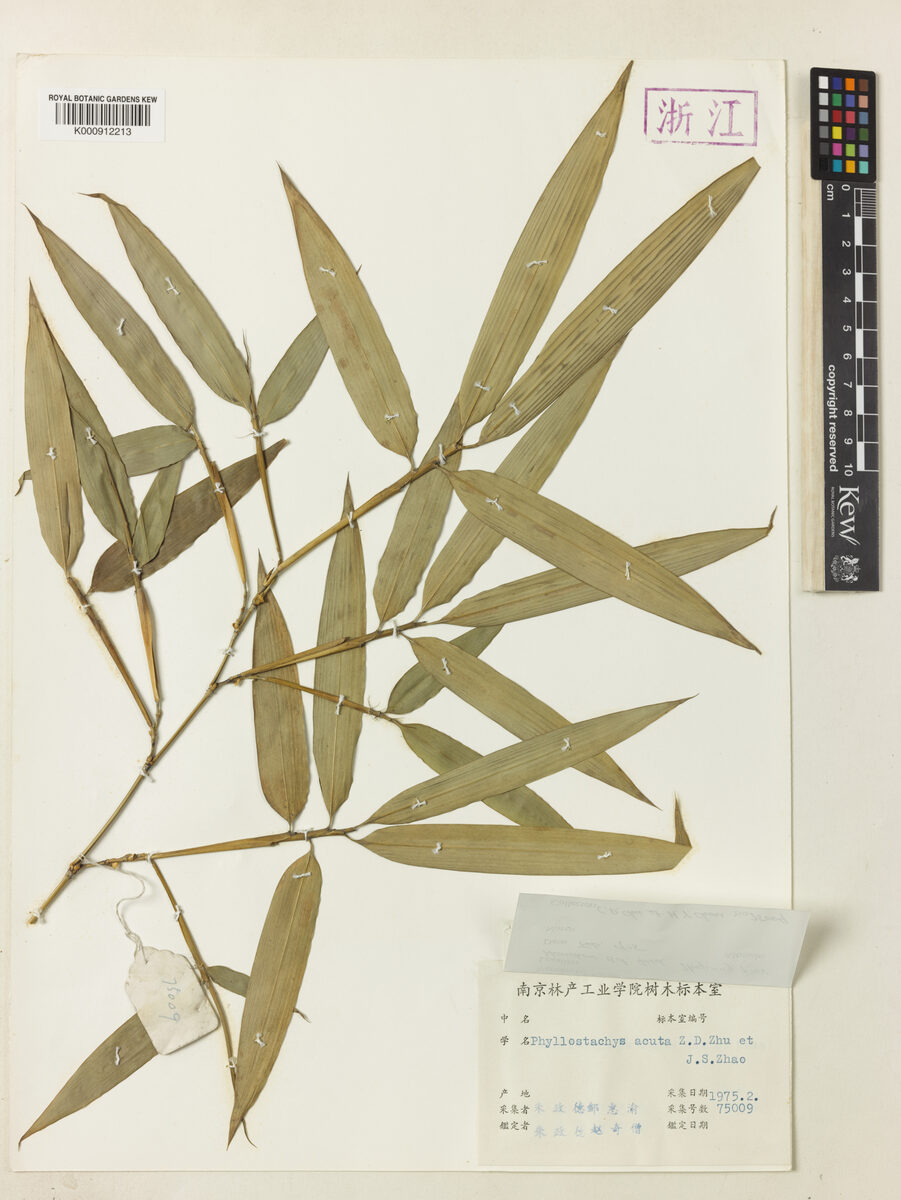
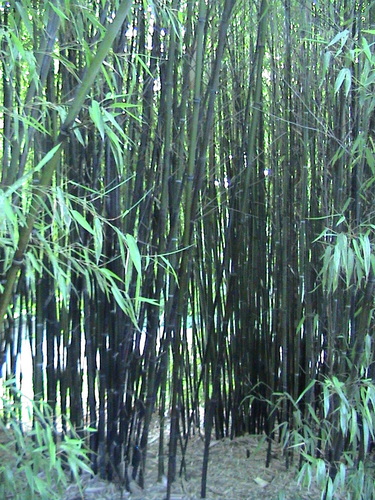
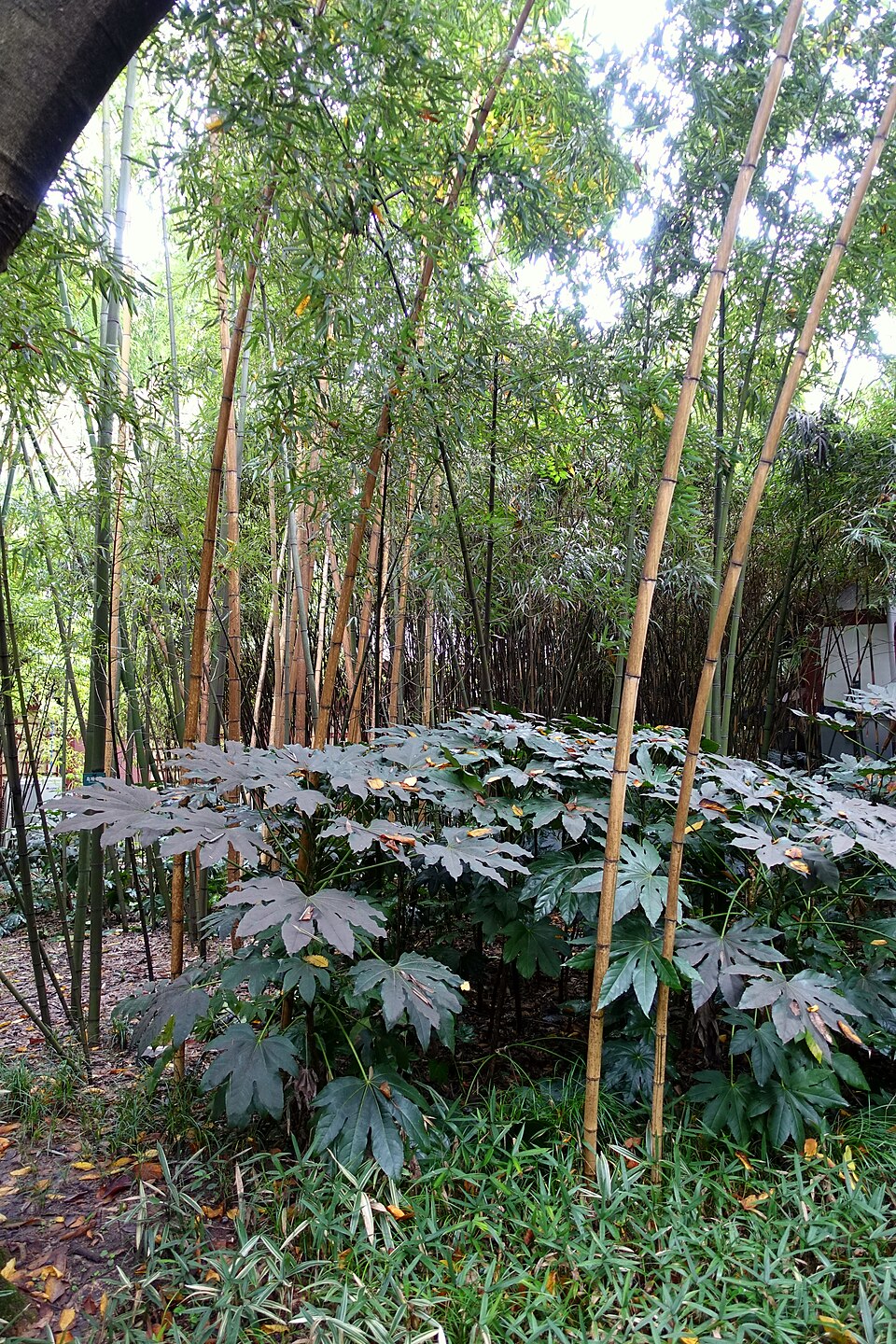
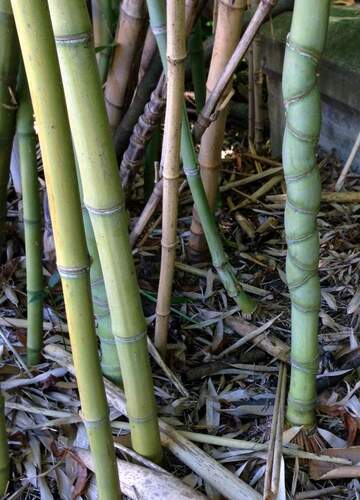
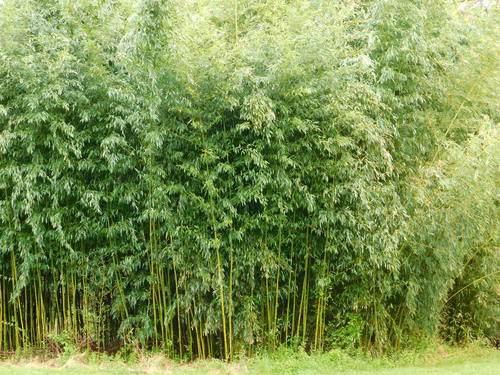
A bamboo. It has a rhizome 1 m long and 1 cm thick. The culms are 5-10 m tall and 1-2 cm wide. The internodes are 13-20 cm long. The leaf blade is 13 cm long by 2-7 cm wide.
Edible Uses
The young shoots are cooked with meat and fish.
Traditional Uses
The young shoots are cooked with meat and fish.
This uses section is brief — help expand it
Distribution
It is a tropical plant. It grows in the understory on slopes in forests between 200-1,200 m above sea level in southern China. In Yunnan.
Where It Grows
Asia, Bhutan, China, Himalayas, India, Indochina, Myanmar, Northeastern India, SE Asia, Thailand, Vietnam,
Cultivation
A plant of subtropical and tropical areas, where it is mainly found at elevations from 300 - 1,200 metres. It grows in areas of high rainfall. Bamboos have an interesting method of growth. Each plant produces a number of new stems annually - these stems grow to their maximum height in their first year of growth, subsequent growth in the stem being limited to the production of new side branches and leaves. In the case of some mature tropical species the new stem could be as much as 30 metres tall, with daily increases in height of 30cm or more during their peak growth time. This makes them some of the fastest-growing species in the world. Bamboos in general are usually monocarpic, living for many years before flowering, then flowering and seeding profusely for a period of 1 - 3 years before usually dying. This species flowers frequently - the flowering resulting in the death of the entire clump.
Other Uses
A very valuable bamboo, considered to be the best species in Sikkim for the basket-work used on the tea estates, etc. The culms and rhizome-necks are used for weaving, basket and mat making, small handicrafts, etc. The thin-walled culms are easily split and the laths flexible and durable. This makes it an excellent species for weaving into panelling, roofing or fencing. Because of the length of the canes, the absence of branches in the lower sections and the unraised nodes, this panelling is very strong and can be woven very tightly. The culms are also said to be durable and insect resistant. It is also largely utilised in the manufacture of mats and for tying the rafters of huts. Young shoots come away freely and are very straight. Plants are sometimes used to provide shade in tea gardens.
Notes
There is only one Pseudostachyum species.
Synonyms
Also Known As
Bawk-wa, Ba-wa, Chal, Nuo hei, Pauk-wa, Pe, Phai o lo, Phai mok, Wani-ba
References (2)
- Cao, Y., et al, 2020, Ethnobotanical study on wild edible plants used by three trans-boundary ethnic groups in Jiangcheng County, Pu’er, Southwest China. Journal of Ethnobiology and Ethnomedicine (2020) 16:66
- Kar, A., et al, 2013, Wild Edible Plant Resources used by the Mizos of Mizoram, India. Kathmandu University Journal of Science, Engineering and Technology. Vol. 9, No. 1, July, 2013, 106-126 (As Schizostachyum polymorphum)