Syringa vulgaris
L.
Lilac
iNaturalist· cc-by-nc
(c) Игорь Поспелов, some rights reserved (CC BY-NC), uploaded by Игорь Поспелов
iNaturalist· cc-by-sa
(c) Andreas Rockstein, some rights reserved (CC BY-SA)
iNaturalist· cc-by-nc
(c) drweltschmerz, some rights reserved (CC BY-NC)
Summary
Source: WikipediaSyringa vulgaris, the lilac or common lilac, is a species of flowering plant in the olive family, Oleaceae. Native to the Balkan Peninsula, it is widely cultivated for its scented flowers in Europe (particularly the north and west) and North America.
Description
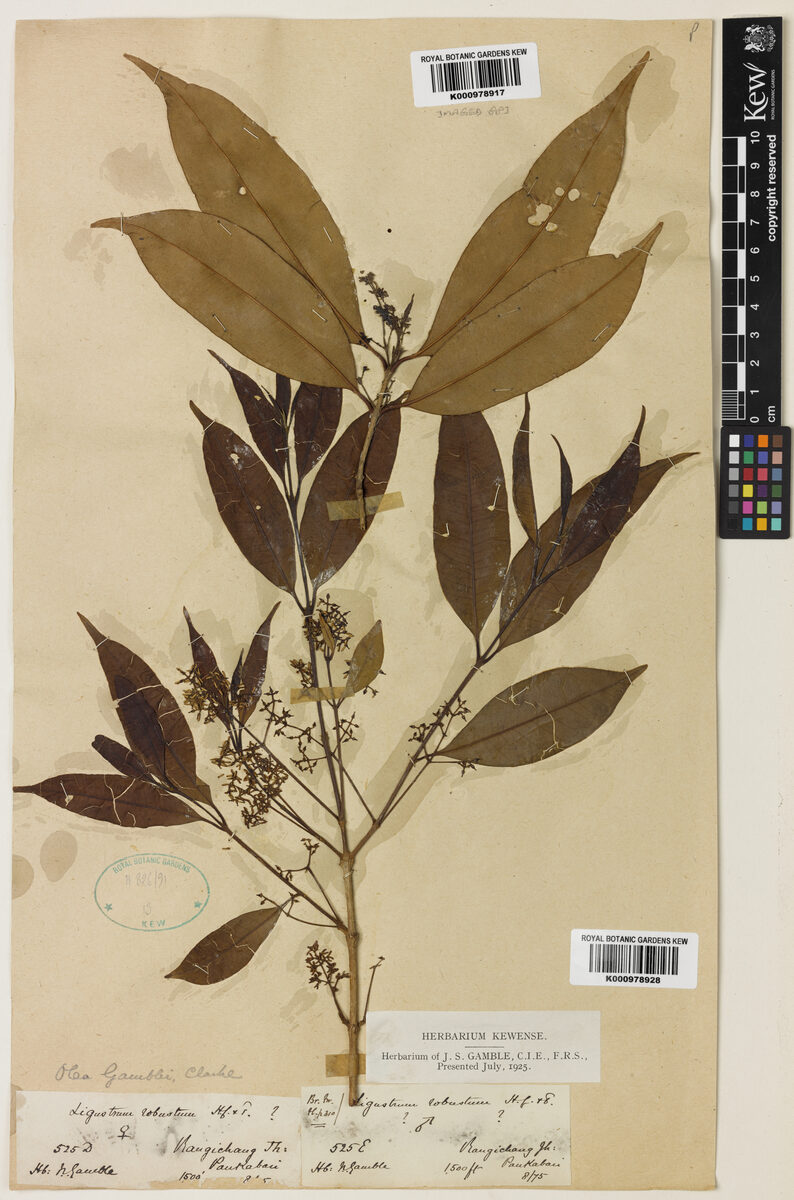
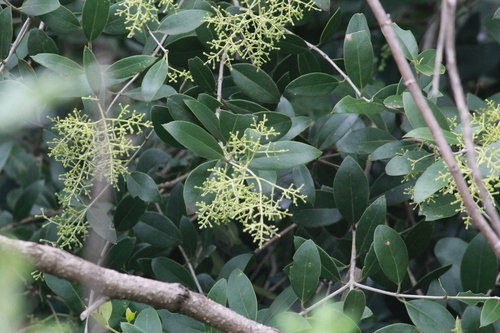
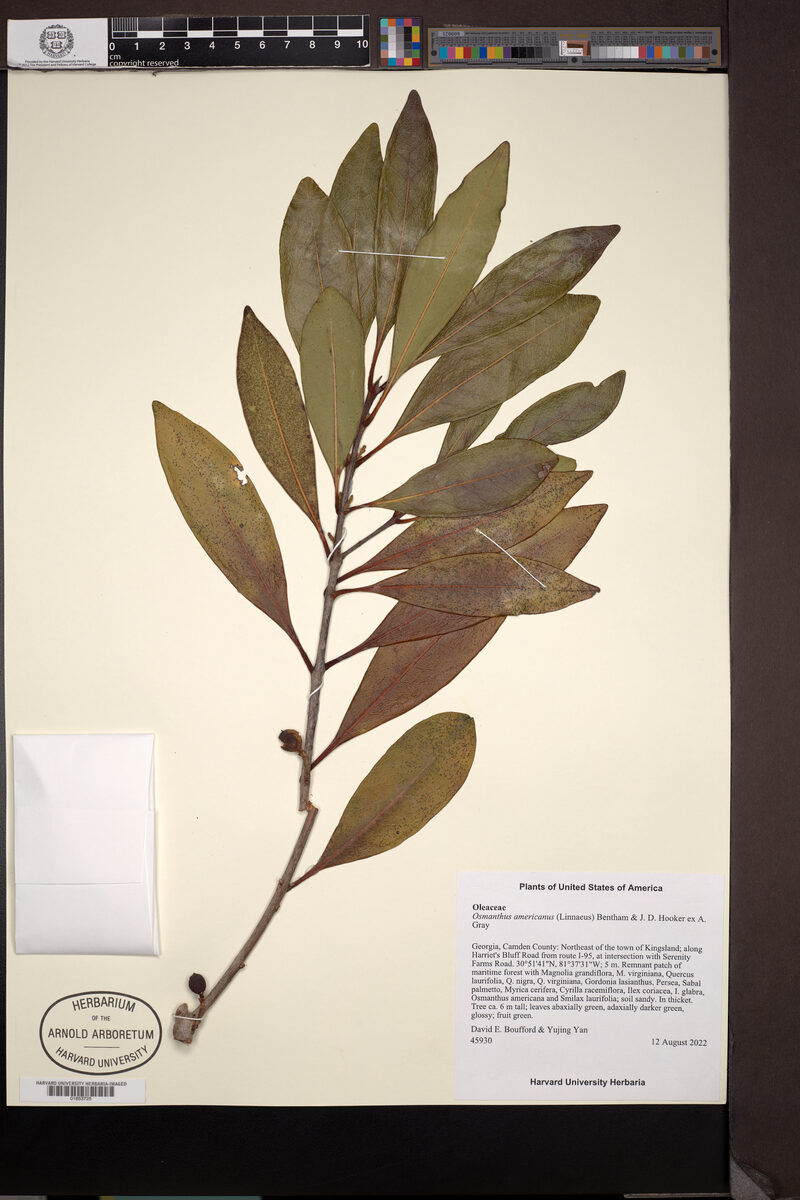
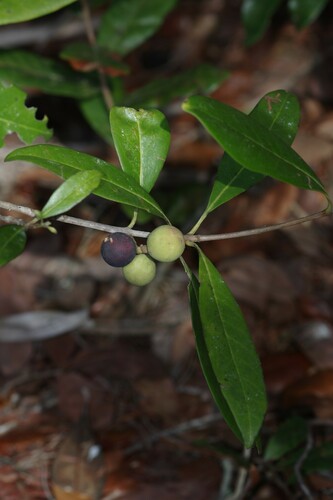
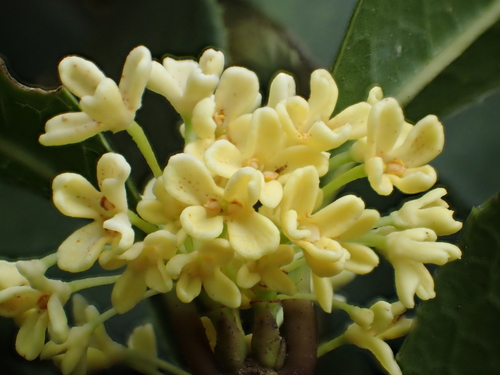
A shrub. It can grow 6 m high. The leaves are oval and taper to the base. They are 5-10 cm long by 2-6 cm wide. They are slightly rough and bright green. The flowers are in large groups arising from the side buds. The flowers can be lilac, white, or red. The fruit is a smooth capsule. There are many named cultivated varieties.
Edible Uses
The flowers can be eaten raw or folded into batter and fried to make fritters.
Traditional Uses
The flowers are eaten raw or folded in batter and made into fritters. They can be crystallised by dipping in beaten egg white then rolling in granulated sugar. The nectar is also sucked. The flowers are also boiled with sugar for jam.
Medicinal Uses
The leaves and fruit are antiperiodic, febrifuge, tonic and vermifuge. The bark or leaves have been chewed by children as a treatment for sore mouth.
Distribution
A temperate plant. In Argentina it grows between 500-1,000 m above sea level. Arboretum Tasmania.
Where It Grows
Albania, Andorra, Argentina, Asia, Australia, Balkans, Belarus, Central Asia, Estonia, Europe, Greece, Iran, Korea, Lithuania, Luxembourg, Macedonia, Mediterranean, Middle East, North America, Norway, Pakistan, Romania, Russia, Scandinavia, Slovenia, South America, Tajikistan, Tasmania,
Cultivation
Succeeds in most soils, including chalk, but dislikes acid soils. Prefers a deep stiff well-drained loam in a warm sunny position. A very ornamental plant, it does tend to sucker quite freely though. There are many named varieties, developed for their ornamental value. The flowers attract butterflies and moths. Plants in this genus are notably susceptible to honey fungus.
Propagation
Sow seed in March in a north-facing cold frame. Pre-treating seed with 4 weeks of warm followed by 3 weeks of cold stratification improves germination. Sowing ripe seed directly into a cold frame is likely a more reliable approach. Prick seedlings out into individual pots once large enough to handle, planting out in summer if sufficient growth has been made, or overwintering in a cold frame and planting out the following late spring. Take cuttings of young shoots (7cm with a heel) in June in a frame, or half-ripe wood cuttings (7cm with a heel) in July or August in a frame. Layering in spring before new growth begins takes about 12 months. Suckers can be divided in late winter and planted straight into their permanent positions.
Other Uses
An essential oil obtained from the flowers is used in perfumery. A green dye is obtained from the flowers, while green and brown dyes can be obtained from the leaves, and the twigs yield a yellow-orange dye. Plants can be grown as an informal hedge. The plant is also commonly used as a rootstock for ornamental lilac cultivars, though it has the disadvantage of suckering very freely.
Also Known As
Siren', Siryen, Sirinas, Syrin
References (9)
- Benvenuti, S. & Mazzoncini, M., 2021, The Biodiversity of Edible Flowers: Discovering New Tastes and New Health Benefits. Frontiers in Plant Science Article 569499.
- Facciola, S., 1998, Cornucopia 2: a Source Book of Edible Plants. Kampong Publications, p 163
- Girard, N. J., 2020, Sustainable Foraging of Wild Edible Plants in Norway. A Biocultural Approach. M. Sc. thesis Norwegian University. p 132
- http://www.botanic-gardens-ljubljana.com/en/plants
- Kalle, R. & Soukand, R., 2012, Historical ethnobotanical review of wild edible plants of Estonia (1770s-1960s) Acta Societatis Botanicorum Poloniae 81(4):271-281
Show all 9 references Hide references
- Kolosova, V., et al, 2020, Foraging in Boreal Forest: Wild Food Plants of the Republic of Karelia, NW Russia. Foods 2020, 9, 1015; p 18
- Luczaj, L. et al, 2013, Wild edible plants of Belarus: from Rostakinski's questionnaire of 1883 to the present. Journal of Ethnobiology and Ethnomedicine 9:21
- Soukand, R., et al, 2017, Multi-functionality of the few: current and past uses of wild plants for food and healing in Liubań region, Belarus. Journal of Ethnobiology and Ethnomedicine (2017) 13:10
- Sp. pl. 1:9. 1753