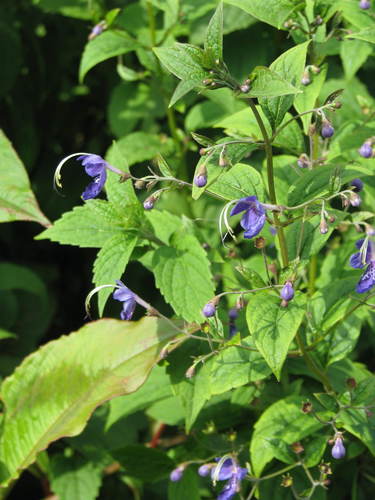
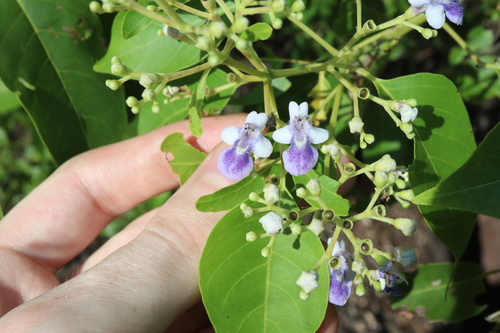
Thymus quinquecostatus
Celak.
Japanese thyme
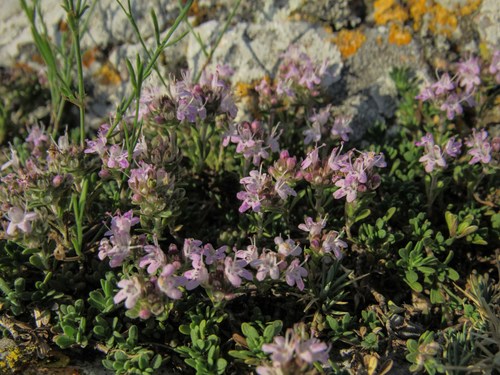
iNaturalist· cc-by-nc
(c) Chuangzao, some rights reserved (CC BY-NC), uploaded by Chuangzao
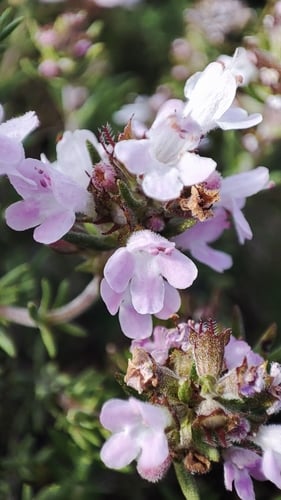
iNaturalist· cc-by
(c) 岸本年郎, some rights reserved (CC BY)
Summary
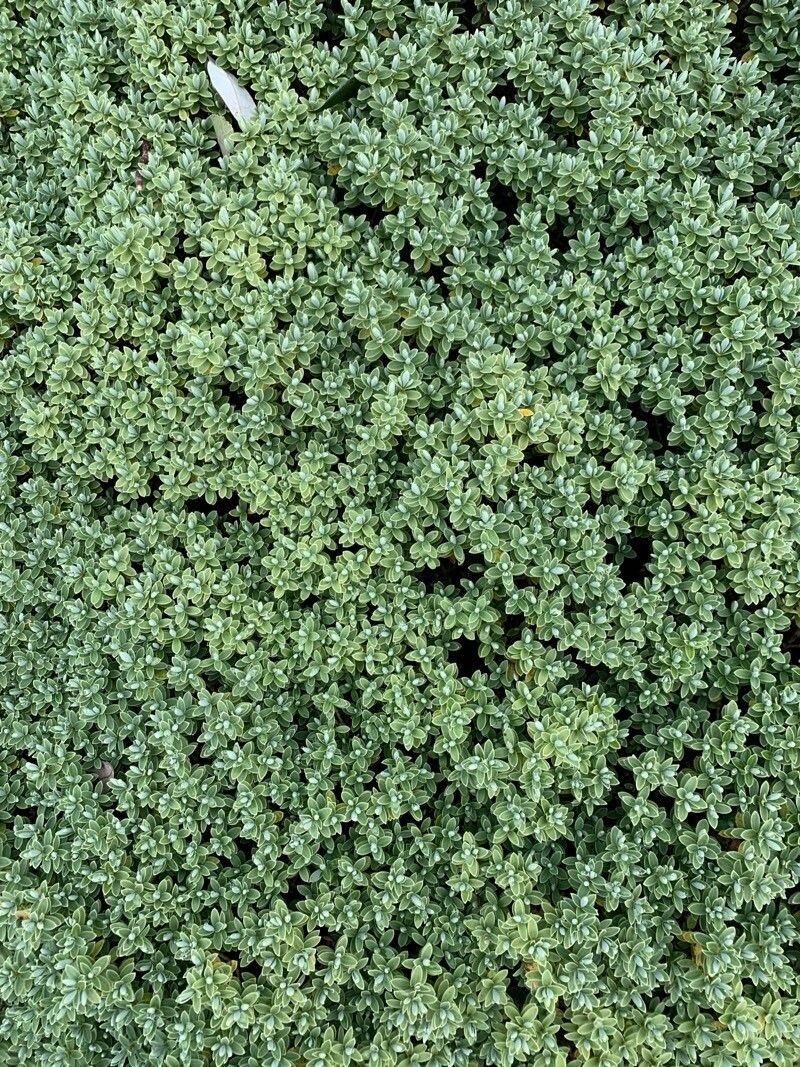
Thymus quinquecostatus is a low-growing evergreen shrub reaching 0.1m high and spreading to 0.5m. Hardy to UK zone 5, it remains in leaf year-round without flowering periods specified. The plant is hermaphroditic. It grows in light sandy or medium loamy, well-drained soil tolerating mildly acidic, neutral, and mildly alkaline conditions. Requires full sun and prefers dry to moist soil with strong drought tolerance.
Description
A herb. The stems spread sideways. There are shoots without flowers and ones with flowers and there are more of the latter. The flowering branches are crowded and 3-15 cm tall.
Edible Uses
The plant yields an essential oil used as a food flavouring. For drying the leaves, harvest plants in early and late summer just before the flowers open and dry the leaves quickly.
Traditional Uses
It is the source of an essential oil used for flavouring.
This uses section is brief — help expand it
Medicinal Uses
The leaves, and especially their essential oil, are strongly antiseptic, deodorant, and disinfectant. The plant can be used fresh at any time of year, or harvested as it comes into flower and either distilled for the oil or dried for later use.
Distribution
It is a temperate plant. It grows in gravelly areas and along riverbanks and seashore dunes from sea level to 1,500 m above sea level.
Where It Grows
Asia, Central Asia, China, Japan, Korea, Inner Mongolia, Russia, Tajikistan,
Cultivation
Requires a light well-drained preferably calcareous soil in a sunny position. Succeeds in dry soils. Grows well between stepping stones on paths, tolerating light treading. Succeeds on walls. Thymes dislike wet conditions, especially in the winter. A layer of gravel on the soil around them will help protect the foliage from wet soils. The flowers are rich in nectar and are very attractive to honey bees. This is a very difficult genus taxonomically, the species hybridize freely with each other and often intergrade into each other.
Propagation
Sow seed in spring in a cold frame, or in autumn in a greenhouse. Surface sow or barely cover the seed, as germination can be erratic. Once seedlings are large enough to handle, prick them out into individual pots and grow on in the greenhouse for at least their first winter. Plant out into permanent positions in late spring or early summer, after the last expected frosts. Divide plants in spring or autumn — larger divisions can go straight into permanent positions, while smaller ones are best potted up and grown on in light shade in a greenhouse or cold frame until established, then planted out in summer or the following spring. Take cuttings of young shoots, 5–8cm with a heel, in May/June in a frame, or half-ripe wood cuttings, 5–8cm with a heel, in July/August in a frame. Layering is also possible.
Other Uses
The essential oil extracted from the leaves is used in perfumery, as a mouthwash, and medicinally.
Synonyms
Also Known As
Bailixiang, Dijiaojiao, Ibuki-jako-so
References (4)
- Facciola, S., 1998, Cornucopia 2: a Source Book of Edible Plants. Kampong Publications, p 137 (As Thymus quinquecostatum)
- Jia, X., et al, 2022, Ethnobotany of wild edible plants in multiethnic areas of the Gansu–Ningxia–Inner Mongolia junction zone. Journal of Ethnobiology and Ethnomedicine 18:53
- Oesterr. Bot. Z. 39:263. 1889
- World Checklist of Useful Plant Species 2020. Royal Botanic Gardens, Kew