Tritonia crocata
(L.) Ker Gawl.
Great African ixia
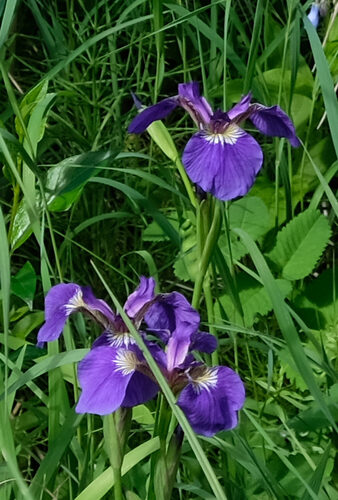
iNaturalist· cc-by-nc
(c) isabellahulme, some rights reserved (CC BY-NC)
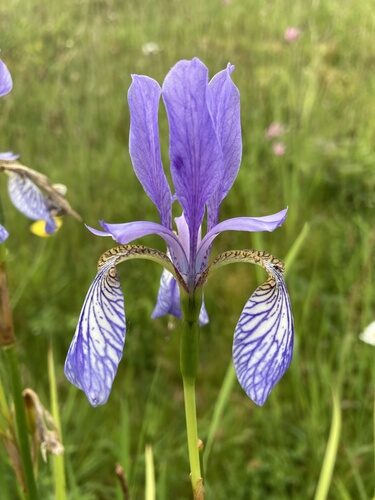
iNaturalist· cc-by-nc
(c) Sandra Falanga, some rights reserved (CC BY-NC), uploaded by Sandra Falanga
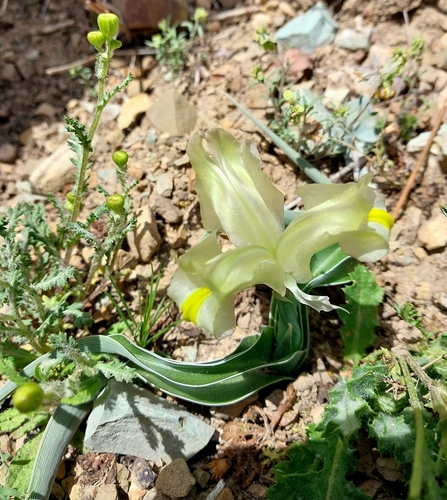
iNaturalist· cc-by-nc
(c) Sandra Falanga, some rights reserved (CC BY-NC), uploaded by Sandra Falanga
Summary
Source: WikipediaTritonia crocata is a plant species in the family Iridaceae.
Description
A corm-forming plant reaching 0.5m tall and 0.1m wide. Hardy to UK zone 9. Flowers from May to June with hermaphroditic blooms pollinated by bees. Grows in light sandy, medium loamy, and heavy clay soils across mildly acidic to alkaline pH ranges. Requires full sun and prefers moist soil conditions.
Edible Uses
The flowers are used as an adulterant of saffron, adding flavour to food and colouring it yellow.
Traditional Uses
The flowers are used to adulterate saffron.
This uses section is brief — help expand it
Medicinal Uses
None known.
Distribution
It is a subtropical plant.
Where It Grows
Africa, Australia, South Africa, Southern Africa,
Propagation
Sow seed in early spring in a greenhouse at 15°C; it usually germinates freely. Seed can also be sown as soon as it is ripe in autumn in a warm greenhouse. Sow thinly so seedlings can remain undisturbed in their pots for the first two years, giving an occasional liquid feed during the growing season to prevent nutrient deficiency. When plants go dormant in summer, pot up the small bulbs, placing 2–3 per pot, and grow on for another one or two years in the greenhouse before planting out while dormant in late summer. Alternatively, dig up corms in October, dry them in well-ventilated conditions at around 20°C, store in a cool but frost-free place over winter, and plant out about 10cm deep in April. Cormlets harvested in autumn can be stored in the same way; larger ones can be planted out in spring, while smaller ones are best grown on for a year in the greenhouse first.
Other Uses
None known.
References (2)
- Bot. Mag. 16: sub t. 581. 1802
- Facciola, S., 1998, Cornucopia 2: a Source Book of Edible Plants. Kampong Publications, p 123