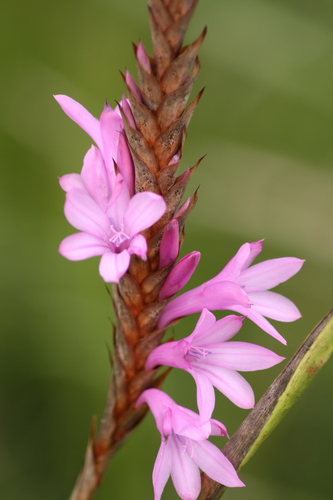
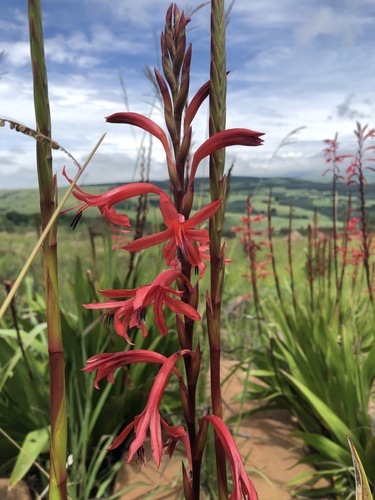
Crocus sieberi
J. Gay
Sieber's crocus, Cretan crocus, Snow crocus
iNaturalist· cc-by-nc-nd
(c) Nick Turland, some rights reserved (CC BY-NC-ND)
iNaturalist· cc-by-nc
(c) gitgerl, some rights reserved (CC BY-NC)
Summary
Source: WikipediaCrocus sieberi, Sieber's crocus, also referred to as the Cretan crocus or snow crocus (as is Crocus chrysanthus), is a plant of the genus Crocus in the family Iridaceae. A small, early blooming crocus, it easily naturalises, and is marked by a brilliant orange which is mostly confined to the stamens and style, fading through the bottom third of the tepal. It grows wild generally in the Balkans: Greece, especially in the island of Crete, Bulgaria, Albania and North Macedonia. There are four subtypes: sieberi (Crete), atticus (Attica area around Athens), nivalis and sublimis. Its cultivars are used as ornamental plants. Height: 3–4 inches (7.6–10.2 cm).
Description
A herb.
This description is brief — help expand it
Edible Uses
Crocus sieberi is cultivated in gardens as an ornamental plant for its flowers. It has also been used as food; in Greece the corms are eaten raw - with the flavor said to resemble hazelnuts. In Turkey, the leaves are eaten as greens.
Traditional Uses
The bulbs are eaten raw.
This uses section is brief — help expand it
Distribution
It is a Mediterranean climate plant. It grows in the mountains of Greece.
Where It Grows
Australia, Europe, Greece, Mediterranean, Slovenia, Turkey, Türkiye,
Also Known As
Sieberov žafran
References (3)
- Bull. Ferussac 25:320. 1831
- Facciola, S., 1998, Cornucopia 2: a Source Book of Edible Plants. Kampong Publications, p 122
- Jacobsen, A. L., February 2013: edible Crocus www.arthurleej.com/plant of the month.html