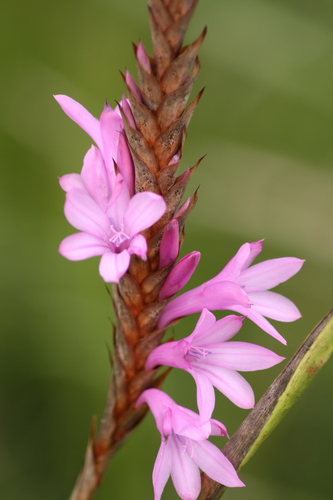
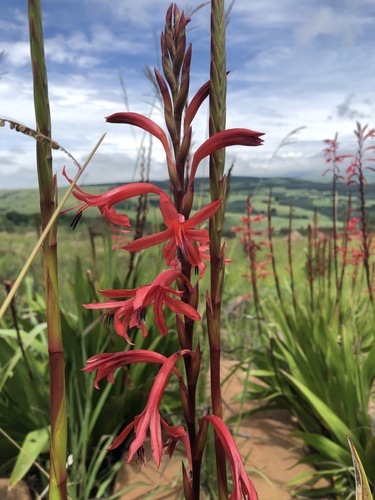
Crocus serotinus
Salisb.
Late crocus
iNaturalist· cc-by-nc-sa
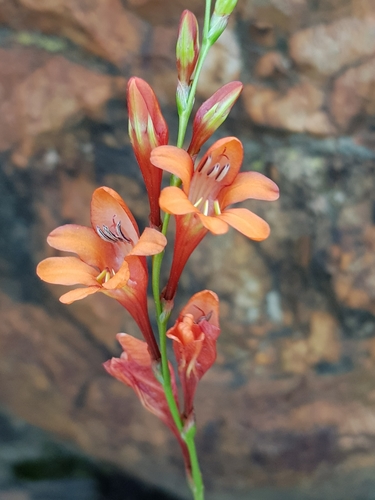
(c) MDavid, some rights reserved (CC BY-NC-SA), uploaded by MDavid
iNaturalist· cc-by
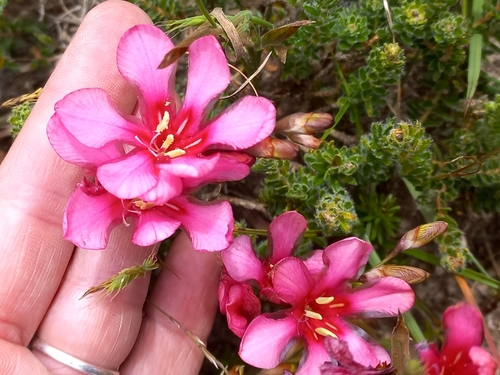
(c) zebedeugalinha, some rights reserved (CC BY)
Summary
Source: WikipediaCrocus serotinus, the late crocus, is a species of flowering plant in the genus Crocus of the family Iridaceae, found in the Iberian peninsula and North Africa.
Description
Crocus serotinus is a small corm reaching 0.1 m tall, hardy to UK zone 6 and not frost tender. Foliage appears November to May with flowers November to December. The plant is hermaphroditic, pollinated by bees and butterflies. Grows in light sandy to medium loamy soils with mildly acid to mildly alkaline pH. Tolerates semi-shade or full sun and adapts to dry or moist soil conditions.
Edible Uses
The flowers are used as a saffron substitute to flavour food and colour it yellow.
Traditional Uses
The stigma are used as a saffron substitute. The bulbs are eaten raw.
This uses section is brief — help expand it
Medicinal Uses
None known
Distribution
It is a Mediterranean climate plant.
Where It Grows
Europe, Spain,
Cultivation
Succeeds in most soils, conditions and positions. Plants grow well in a peaty soil in a bulb frame and should succeed outdoors in a sandy peaty soil. The subspecies C. serotinus austriacus can be naturalized in grass or beneath deep rooting trees on light well-drained soils. Plants tend to move considerably from their original planting place because of their means of vegetative reproduction, it is therefore wise not to grow different species in close proximity. Any planting out is best done in late spring or early summer. Mice are very fond of the corms of this species. Plants take 3 - 4 years to flower from seed. The flowers are only open during the day time, closing at night.
Propagation
Sow seed as soon as it is ripe in light sandy soil in pots in a cold frame, or alternatively in a cold frame in early spring. Seed usually germinates freely, so sow thinly; germination occurs within 1–6 months at 18°c. Avoid transplanting seedlings in their first year unless overcrowded, but apply regular liquid feeds to prevent nutrient deficiency. Once the plants die down, divide the small bulbs and plant 2–3 per 8cm pot. Grow on for a further two years in a greenhouse or frame, then plant out into permanent positions when dormant in late summer. Expect 3–4 years from seed to flowering. Clumps can also be divided after the leaves die down in spring, and bulbs planted directly into permanent positions.
Other Uses
A yellow dye obtained from the stigmas serves as a saffron substitute.
Also Known As
Azafran
References (2)
- Jacobsen, A. L., February 2013: edible Crocus www.arthurleej.com/plant of the month.html
- Tardio, J., et al, 2006, Ethnobotanical review of wild edible plants in Spain. Botanical J. Linnean Soc. 152, 27-71