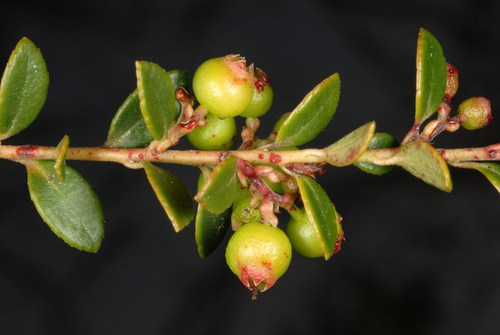
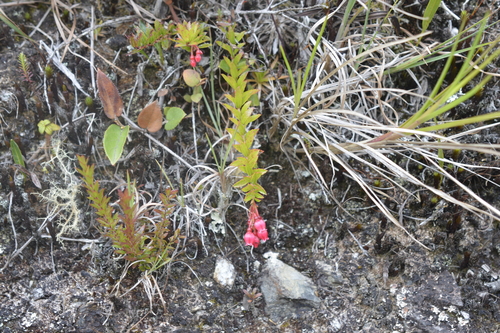
Rhododendron ferrugineum
L.
Alpine rose
iNaturalist· cc-by-nc
(c) odenwaelder, some rights reserved (CC BY-NC), uploaded by odenwaelder
iNaturalist· cc-by-nc-sa
(c) Paseos por los Alpes 2007, some rights reserved (CC BY-NC-SA)
iNaturalist· cc-by-nc-sa
(c) bathyporeia, some rights reserved (CC BY-NC-SA)
Summary
Source: WikipediaRhododendron ferrugineum, the alpenrose, snow-rose, or rusty-leaved alpenrose is an evergreen shrub that grows just above the tree line in the Alps, Pyrenees, Jura and northern Apennines, on acid soils. It is the type species for the genus Rhododendron.
Description
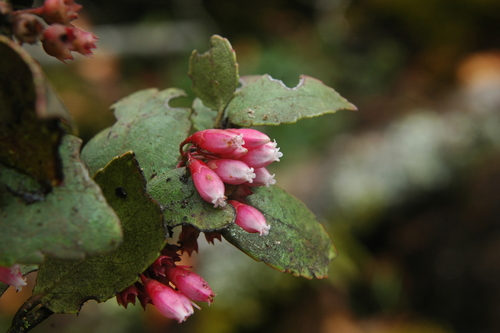
A shrub. It grows 1 m tall. The leaves have rusty brown spots underneath. The flowers are pinkish-red and bell shaped.
This description is brief — help expand it
Edible Uses
None known
Traditional Uses
The flowers are the source of a light mild honey. The plant itself is toxic.
This uses section is brief — help expand it
Medicinal Uses
The flowers, leaves and galls are antirheumatic, diaphoretic and diuretic. The plant is used to treat certain forms of arthritis and rheumatism, but it can cause diarrhoea and vomiting and should only be used under expert supervision. A homeopathic remedy prepared from the plant is used in treating complaints involving flatulence.
Known Hazards
Can cause diarrhoea and vomiting; use only under expert supervision.
Distribution
It is a temperate plant.
Where It Grows
Alps, Andorra, Europe,
Cultivation
Succeeds in a most humus-rich lime-free soils except those of a dry arid nature or those that are heavy or clayey. Prefers a peaty or well-drained sandy loam. Succeeds in sun or shade, the warmer the climate the more shade a plant requires. A pH between 4.5 and 5.5 is ideal. This species grows better in the midlands and north Britain, disliking the hotter conditions in the south. Succeeds in a woodland though, because of its surface-rooting habit, it does not compete well with surface-rooting trees. Plants need to be kept well weeded, they dislike other plants growing over or into their root system, in particular they grow badly with ground cover plants, herbaceous plants and heathers. Plants form a root ball and are very tolerant of being transplanted, even when quite large, so long as the root ball is kept intact. Plants in this genus are notably susceptible to honey fungus.
Propagation
Sow seed in a greenhouse as soon as it is ripe in autumn, providing artificial light. Alternatively, sow in a lightly shaded part of a warm greenhouse in late winter, or in a cold greenhouse in April. Surface-sow and keep the compost consistently moist. Pot up seedlings once large enough to handle and grow on under glass for at least the first winter. Layering in late July takes 15–24 months. Cuttings of half-ripe wood taken in August and rooted in a frame are difficult.
Other Uses
Plants can be grown as ground cover when spaced about 1 metre apart each way. Some compounds in this plant have shown herbicidal activity, though further research is needed.
Synonyms
References (2)
- Facciola, S., 1998, Cornucopia 2: a Source Book of Edible Plants. Kampong Publications, p 96
- Sp. pl. 1:392. 1753