Gypsophila paniculata
L.
Baby's breath, Soapwort root
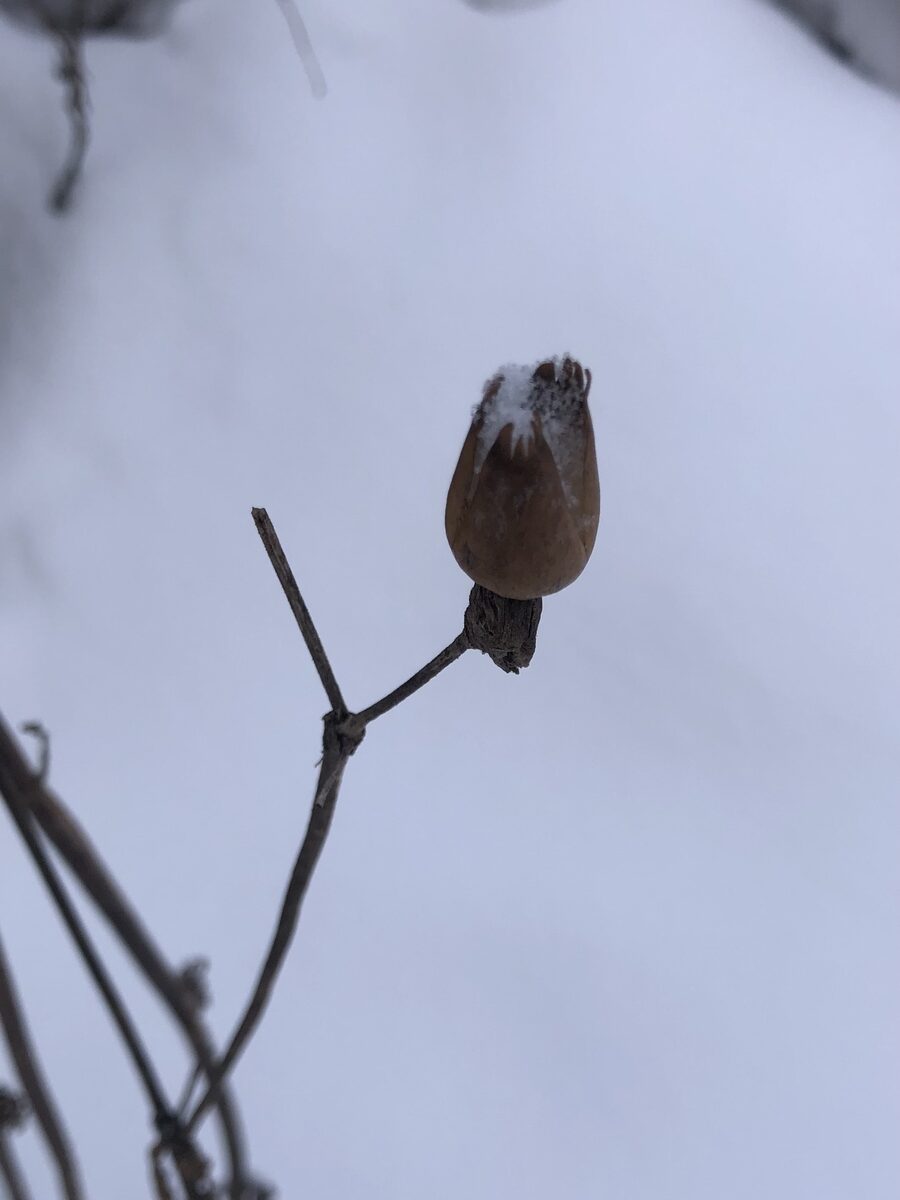
iNaturalist· cc-by-nc
(c) artiom_prokhorov, some rights reserved (CC BY-NC)
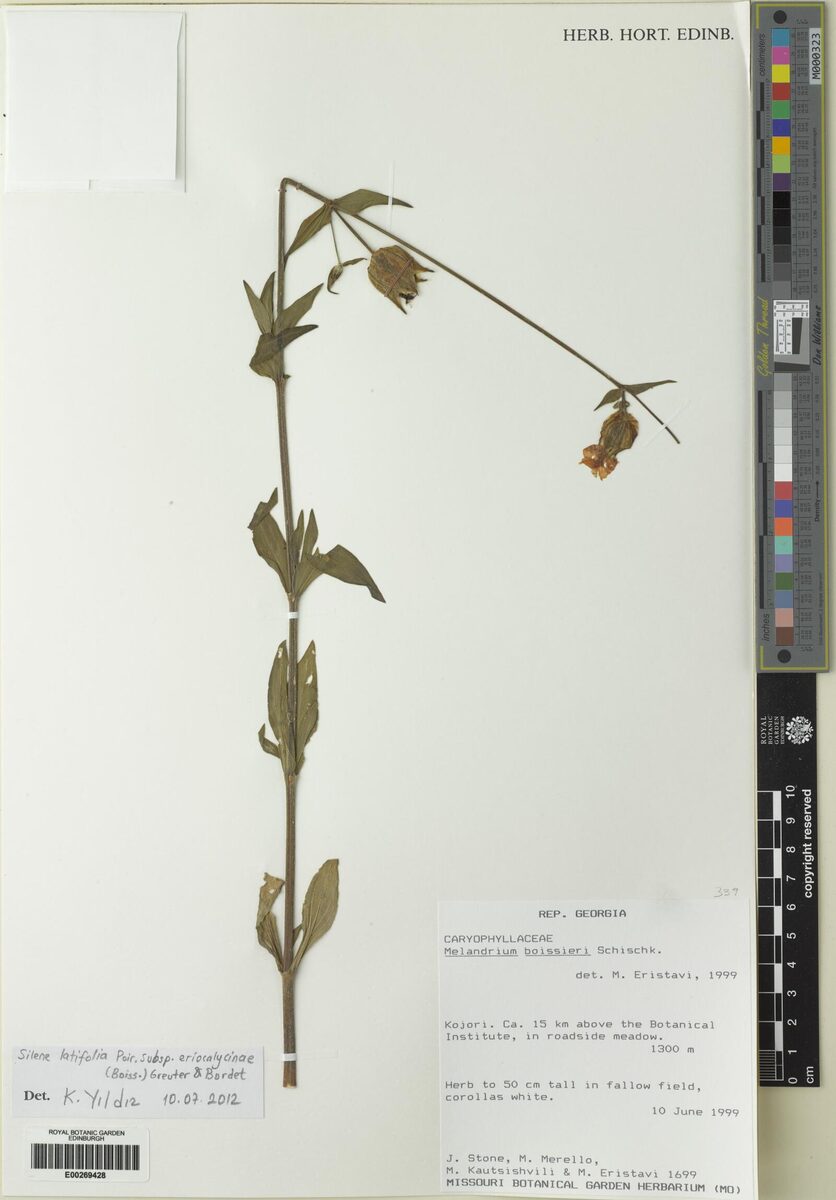
iNaturalist· cc-by-nc
(c) Сергей, some rights reserved (CC BY-NC)
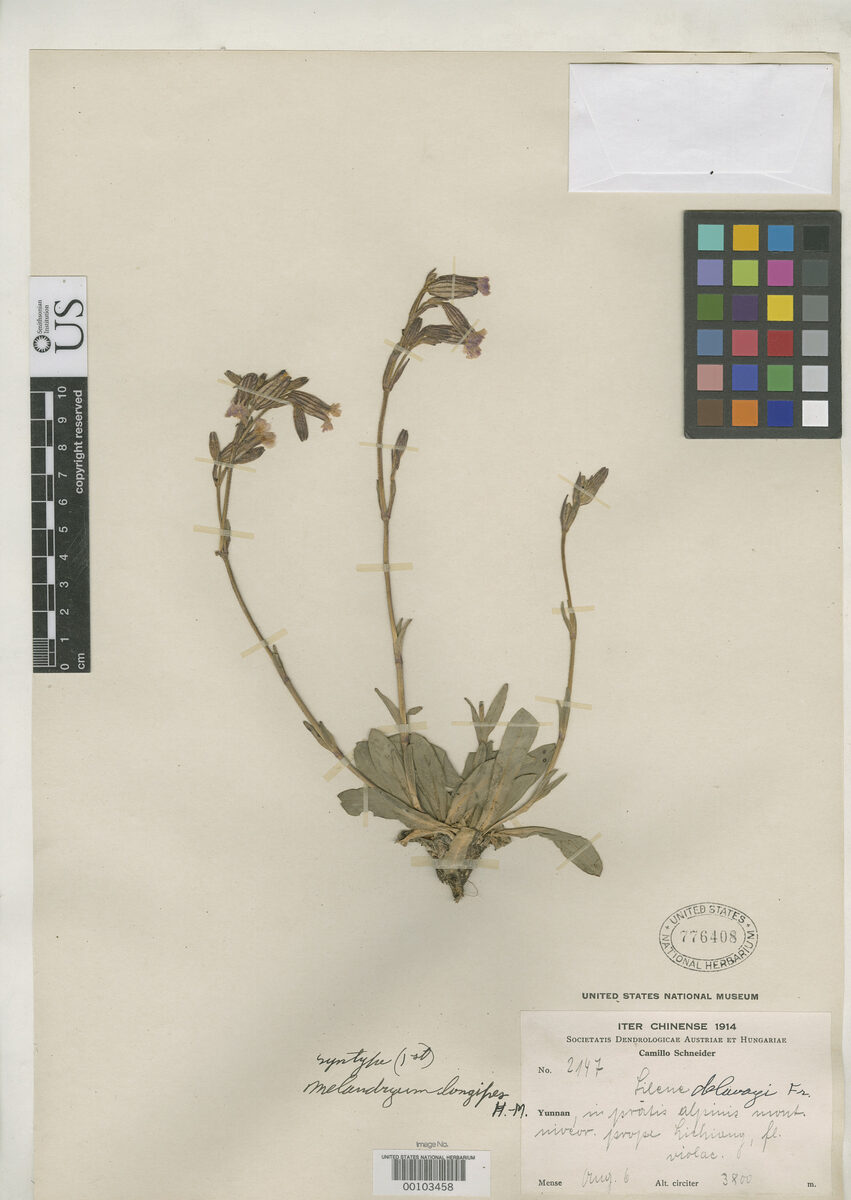
iNaturalist· cc-by-nc
(c) Сергей, some rights reserved (CC BY-NC)
Summary
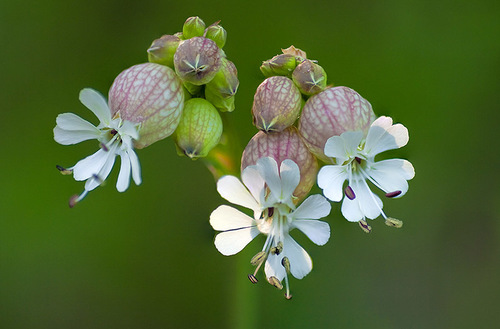
Source: WikipediaGypsophila paniculata, the baby's breath, common gypsophila or panicled baby's-breath, is a species of flowering plant in the family Caryophyllaceae, native to central and eastern Europe. It is an herbaceous perennial growing to 1.2 m (4 ft) tall and wide, with mounds of branching stems covered in clouds of tiny white flowers in summer (hence the common name "baby's breath"). Another possible source of this name is its scent, which has been described as sour milk, like a baby's "spit-up". Its natural habitat is on the Steppes in dry, sandy and stony places, often on calcareous soils (gypsophila = "chalk-loving"). Specimens of this plant were first sent to Linnaeus from St. Petersburg by the Swiss-Russian botanist Johann Amman.
Description
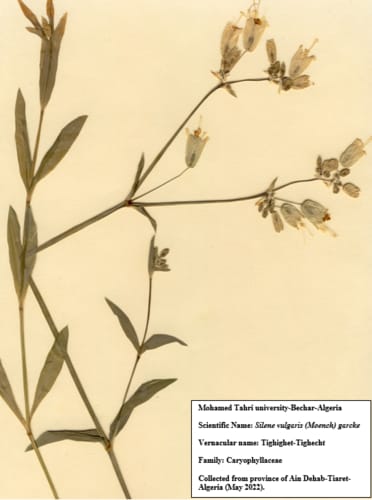
A herb. It keeps growing from year to year. The roots are stout. There is a single stem. It grows 30-80 cm tall. The leaves are sword shaped or narrow and 2-5 cm long by 3-7 mm wide.
Edible Uses
No edible uses are known for this plant.
Traditional Uses
The root is used to make a frothy vegetable cream used as a dip for cookies.
This uses section is brief — help expand it
Medicinal Uses
The root acts as a purgative. It contains triterpenoid saponins, which have demonstrated spermicidal activity, and the root is also used as a contraceptive.
Known Hazards
Although no mention has been seen for this species, at least one member of this genus has a root that is rich in saponins. Although toxic, these substances are very poorly absorbed by the body and so tend to pass through without causing harm. They are also broken down by heat so a long slow baking can destroy them. Saponins are found in many plants, including several that are often used for food, such as certain beans. It is advisable not to eat large quantities of food that contain saponins. Saponins are much more toxic to some creatures, such as fish, and hunting tribes have traditionally put large quantities of them in streams, lakes etc in order to stupefy or kill the fish.
Distribution
It is a temperate plant. It grows in grassland and rocky slopes as well as on dunes and flooded land. In China it grows between 1,100-1,500 m above sea level.
Where It Grows
Arabia, Asia, Balkans, Caucasus, Central Asia, China, Europe, Kazakhstan, Macedonia, Micronesia, Middle East, Mongolia, Myanmar, Pakistan, Palau, Russia, SE Asia, Serbia, Siberia,
Cultivation
Requires a sunny position and a well-drained dryish soil. Plants are not long-lived in wet or heavy soils. A lime tolerant plant, it prefers a limey soil according to another report. Plants are intolerant of winter damp but tolerate drought once established. A very ornamental plant, it is hardy to about -20c.
Propagation
Seed is best sown in a greenhouse in spring. Prick seedlings out into individual pots once large enough to handle, and plant out into permanent positions in summer if growth allows. If plants are too small, overwinter them in the greenhouse and plant out in late spring or early summer the following year. Divide clumps in spring or autumn — larger clumps can go straight into permanent positions, while smaller ones are best potted up and grown on in a cold frame until well rooted, then planted out in spring. Basal cuttings can be taken before flowering: harvest shoots around 10cm long with plenty of underground stem, pot individually, and keep in light shade in a cold frame or greenhouse until well rooted, then plant out in summer. Root cuttings are also an option.
Other Uses
None known Special Uses
Other Information
It is cultivated.
References (4)
- Facciola, S., 1998, Cornucopia 2: a Source Book of Edible Plants. Kampong Publications, p 74
- Flora of China @ efloras.org Volume 6
- Sp. pl. 1:407. 1753
- Zeven, A. C. & de West, J. M. J., 1982, Dictionary of cultivated plants and their regions of diversity. Wageningen. p 104