Calycanthus occidentalis
Hook. & Arn.
California allspice
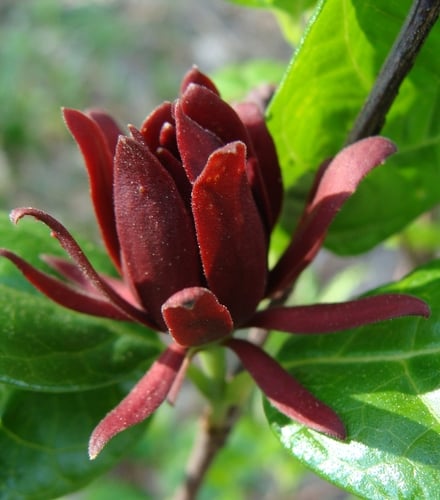
iNaturalist· cc-by
(c) Alex, some rights reserved (CC BY), uploaded by Alex
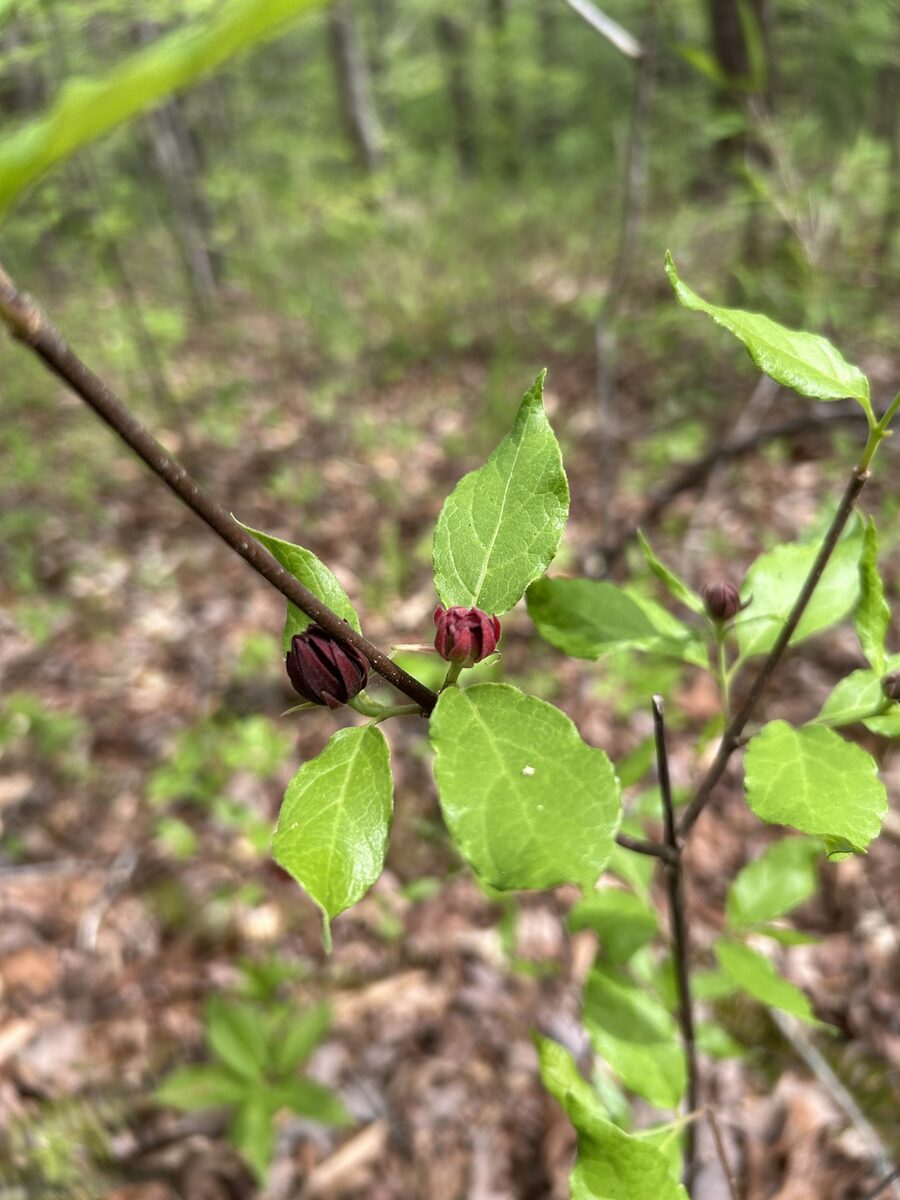
iNaturalist· cc-by-nc
(c) Robin Gwen Agarwal, some rights reserved (CC BY-NC)
Summary
Source: WikipediaCalycanthus occidentalis, commonly called spice bush or western sweetshrub, is a species of flowering shrub in the family Calycanthaceae that is native to California. It grows along streams and moist canyons in the foothills of mountains.
Description
An evergreen shrub. It grows 3 m high and spreads 2 m wide. The stem is erect and branching. The leaves are oval and taper to the tip. They are green and 15 cm long. They are downy underneath. The flowers are red and 7.5 cm across. They have a scent.
Edible Uses
Edible Parts: Edible Uses: Condiment The aromatic bark is dried and used as a substitute for cinnamon and all spice. Some caution is advised, see reports above on toxicity.
Traditional Uses
CAUTION: It is most likely poisonous. The bark is used as a spice.
This uses section is brief — help expand it
Medicinal Uses
Expectorant Stomachic The bark is expectorant. A decoction of the fresh or dried bark has been used in the treatment of sore throats, severe colds and stomach disorders.
Known Hazards
Calycanthus contains calycanthine, an alkaloid similar to strychnine, and it is toxic to humans and livestock.
Distribution
It is a temperate plant. It is best in a rich moist soil. It needs a protected partly shaded location. It is damaged by drought and frost.
Where It Grows
Australia, Britain, Europe, Mexico, North America, Slovenia, USA*,
Cultivation
Prefers a light loamy soil that is deep and moist but succeeds in most fertile soils if they are not shallow. Requires a well-drained soil. Prefers a sunny position but it tolerates shade when grown in warm temperate zones. Requires a sheltered position, protected from cold winds. Plants are hardy to about -15°c. The leaves and the flowers are very aromatic according to one report, whilst another says that the leaves and wood are pleasantly aromatic, whilst the flowers have no scent. Plants in this genus are notably resistant to honey fungus.
Propagation
Seed - best sown in a cold frame as soon as it is ripe. If the seed is harvested 'green' (as soon as it has fully developed but before it has dried on the plant) and sown immediately it can germinate in 3 weeks. Dried seed germinates in 1 - 6 months at 15°c. Stored seed requires between 3 weeks and 3 months cold stratification before sowing in the spring. When large enough to handle, prick out the seedlings into individual pots and grow them on in the greenhouse for their first winter. Plant out in late spring or early summer of the following year. Cuttings of half-ripe wood, July/August in a frame. They can be difficult. Layering in spring. Sever the new plants in a wet spell of weather about 15 months later and then lift them in the autumn. High percentage. Division of suckers in early spring. Very easy, they can be planted straight out into their permanent positions if required.
Other Uses
Basketry Dye A light brown dye is obtained from the flowers. The wood and the bark from fresh shoots has been used in basket making. Special Uses Food Forest Scented Plants
Notes
There are 2 or 3-6 Calycanthus species. There are 4 genera in the Calycanthaceae.
Synonyms
Also Known As
Zahodni dišečnik
References (5)
- Bodkin, F., 1991, Encyclopedia Botanica. Cornstalk publishing, p 204
- Bot. Beechey Voy. 340, t. 84. 1839
- Facciola, S., 1998, Cornucopia 2: a Source Book of Edible Plants. Kampong Publications, p 68
- Kermath, B. M., et al, 2014, Food Plants in the Americas: A survey of the domesticated, cultivated and wild plants used for Human food in North, Central and South America and the Caribbean. On line draft. p 167
- Tanaka,