Myrcia splendens
(Sw.) DC.
Birchberry
iNaturalist· cc-by-nc
(c) Juan Manuel de Roux, some rights reserved (CC BY-NC), uploaded by Juan Manuel de Roux
iNaturalist· cc-by-nc
(c) Juan Manuel de Roux, some rights reserved (CC BY-NC), uploaded by Juan Manuel de Roux
iNaturalist· cc-by-nc
(c) Juan Manuel de Roux, some rights reserved (CC BY-NC), uploaded by Juan Manuel de Roux
Description
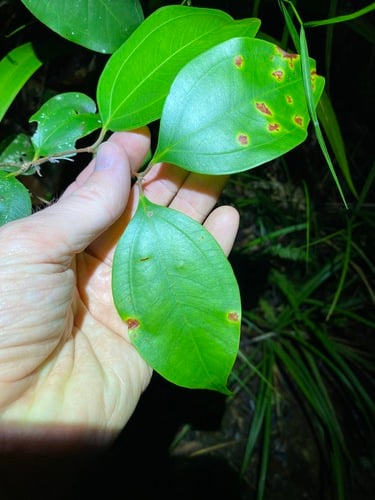
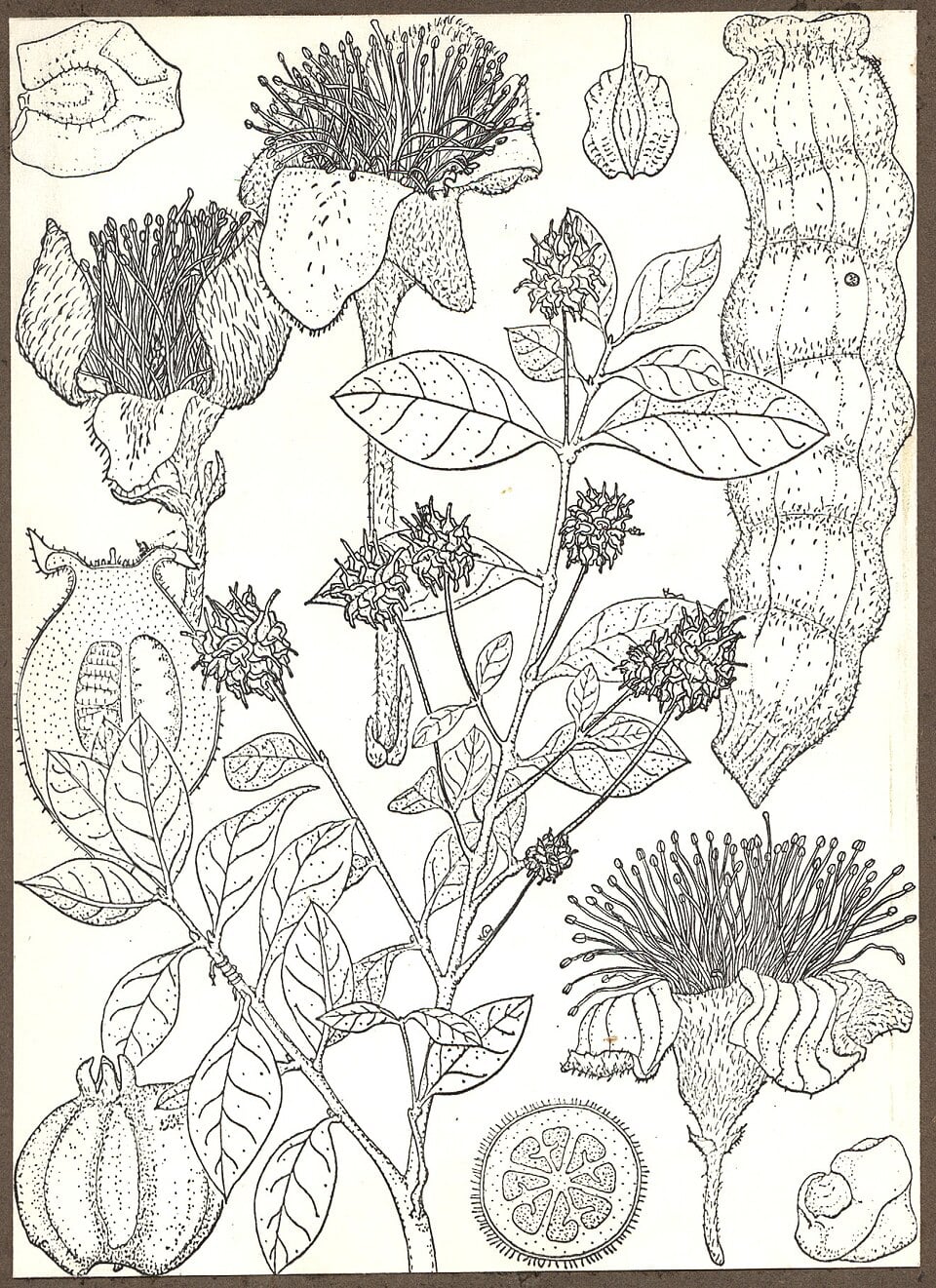
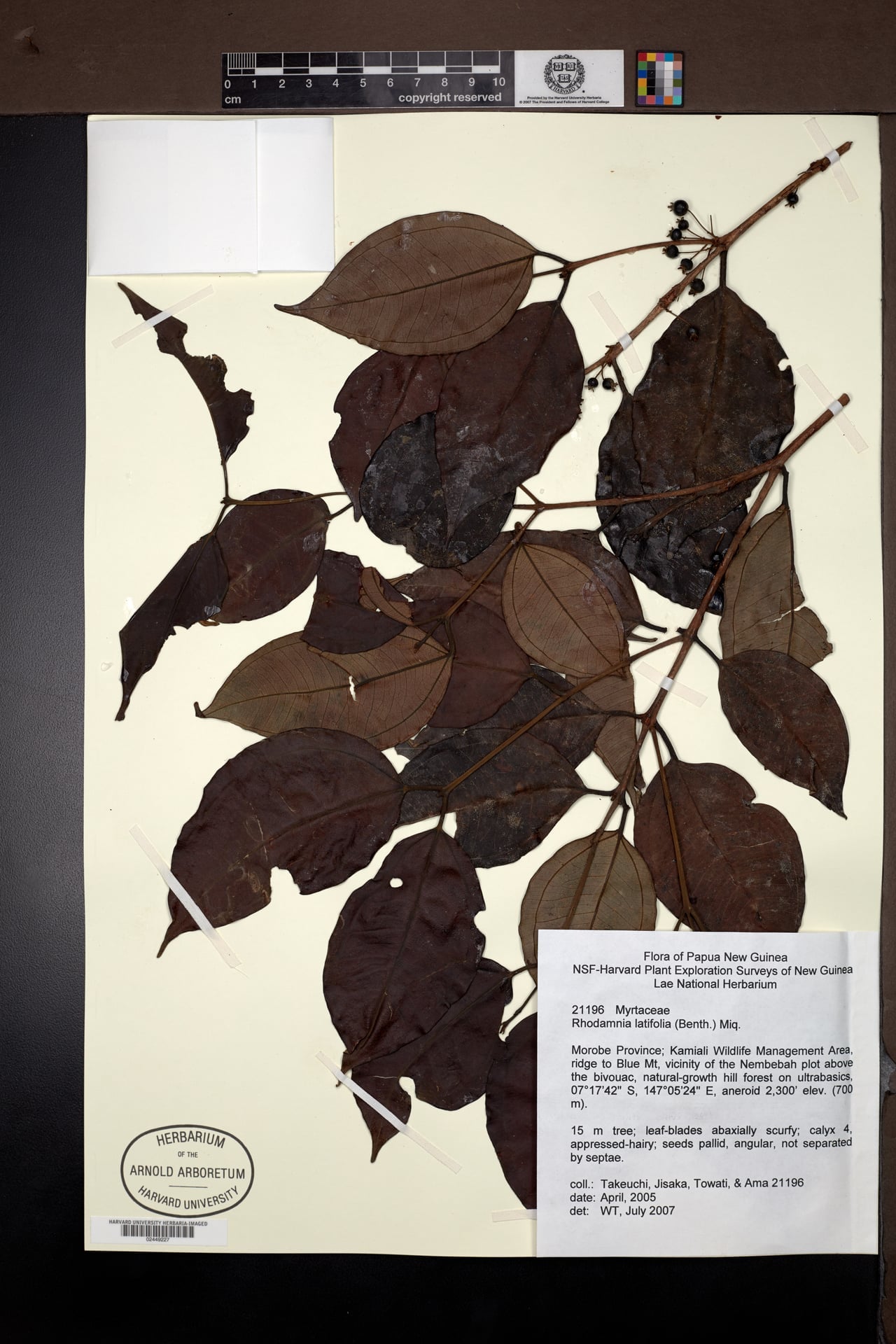
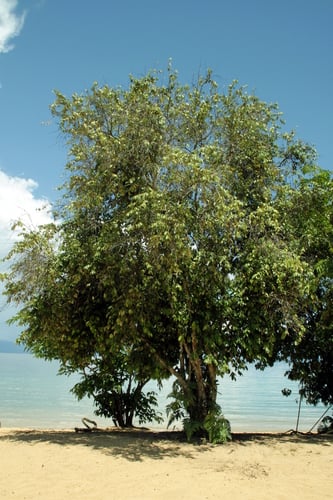
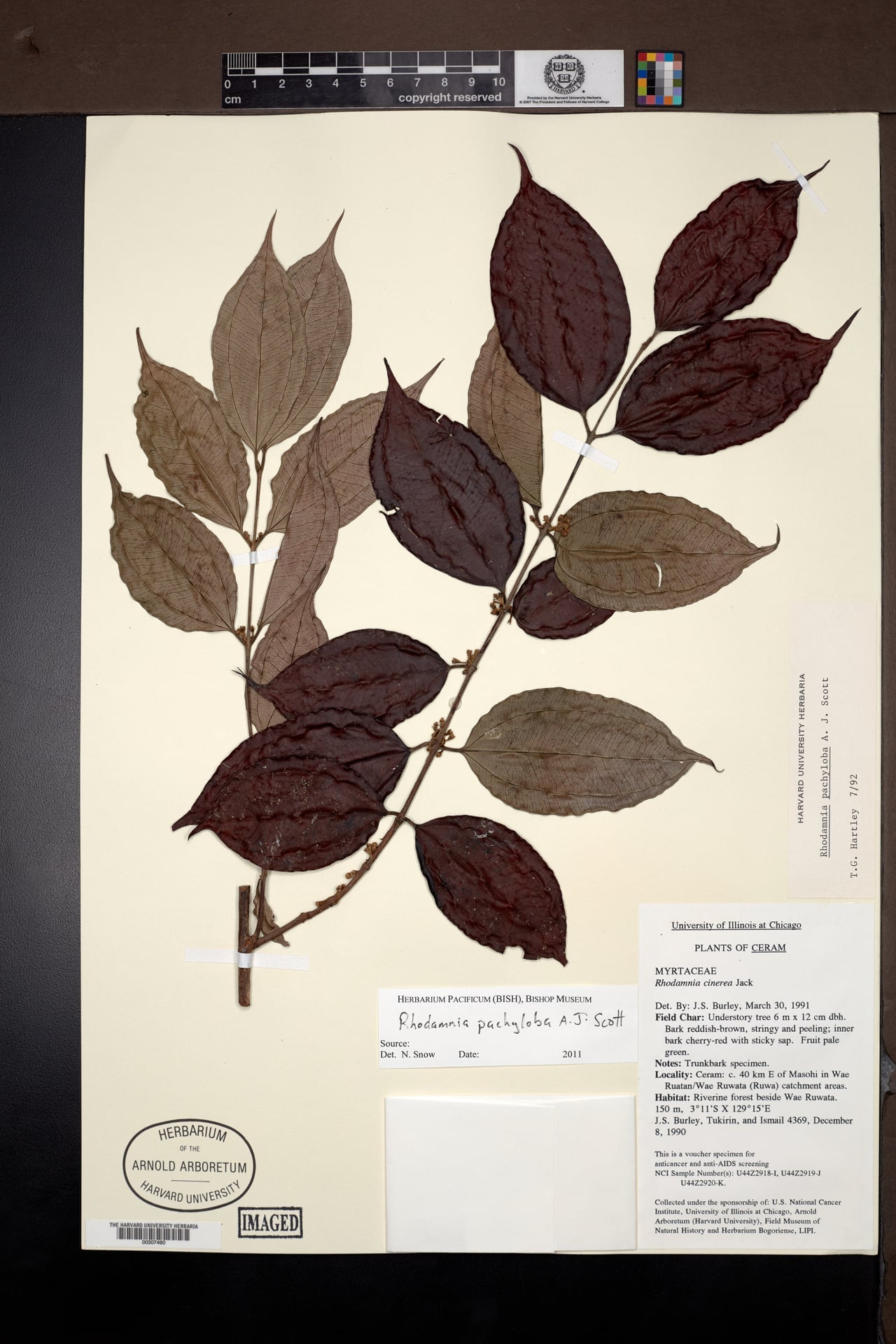
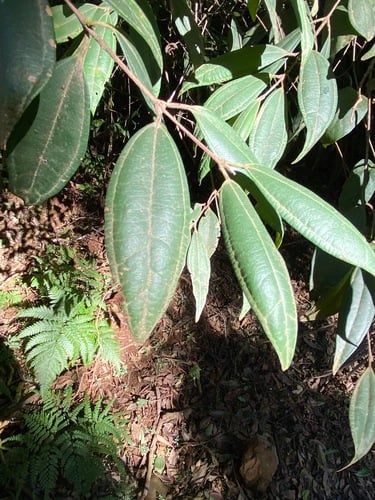
A small evergreen tree. It grows 3-15 m tall. The trunk is 20 cm across. The leaves are long and pointed and shiny. The leaves are narrowly oval and 5-15 cm long by 3-6 cm wide. The flowers occur in clusters at the ends of branches. The flowering shoots are 12 cm long. They are white and have a sweet smell. The fruit is fleshy. It is green when young but ripens to a dark blue of black. The fruit is oblong and 1-1.5 cm across. There is a large single seed in each fruit.
Edible Uses
The fruit is eaten raw and used in jams and preserves.
Traditional Uses
The fruit are eaten raw and also used in jams and preserves.
This uses section is brief — help expand it
Distribution
A tropical plant. In Brazil it has been recorded at 700 m above sea level and in Peru at 1,100 m.
Where It Grows
Amazon, Barbados, Belize, Bolivia, Brazil, Central America*, Colombia, Costa Rica, Cuba, Dominica, Dominican Republic, Ecuador, El Salvador, Guadeloupe, Guatemala, Guiana, Guianas, Guyana, Haiti*, Honduras, Martinique, Mexico, Nicaragua, North America, Panama, Peru, Puerto Rico, South America, St Lucia, St Vincent, Suriname, Venezuela, Virgin Islands, West Indies*,
Cultivation
Prefers a sunny position. A fairly fast-growing plant, easily reaching 2 metres or more tall within 2 years from seed. Plants can flower and produce fruit for much of the year.
Propagation
Seed - best sown as soon as it is ripe in a partially shaded position in a nursery seedbed. A germination rate of above 50% can be expected, with the seed sprouting within 25 - 35 days.
Other Uses
The light brown to reddish brown wood is medium-textured, straight-grained, heavy, soft to hard, with poor mechanical properties and low natural durability. Because it is only available in small dimensions, it is only used locally for posts, crossbeams, rural constructions, crates etc. The wood is used for fuel and for making charcoal. A natural pioneer species in its native range, as well as being quite fast growing and a source of edible fruits for birds etc, the plant can be used in reforestation projects for restoring native woodland.
Synonyms
Also Known As
Ahashi, Ahuashi yacu, Arrayan lanoso, Azedinho, Baicamim, Cambui, Comecara, Curame, Escoboncito, Frutinheira, Goejaba, Guayabo negro, Guipiuna, Hoja menuda, Ibbibanaru, Jamba, Jambro, Mahcho'kai men, Mama menuda, Meerilang, Migua, Moja menura, Murta, Pakatmaya saka, Pimento, Pixuna, Powisi-pepre, Rama menuda, Rupina, Saca, Saca blanca, Saka, Saraiso, Sekrepatoe-kersi, Shakai numi, Tinajero, Turro, Vicho caspi
References (17)
- Bortolotto, I. M., et al, 2018, Lista preliminar das plantas alimenticias nativas de Mato Grosso do Sul, Brasil. Iheringia, Serie Botanica, Porto Alegre, 73 (supl.):101-116 (As Myrcia fallax)
- Cavalcante, P.B., 1991, Frutas comestíveis da Amazônia. Edições CEJUP. (As Myrcia fallax)
- Grandtner, M. M. & Chevrette, J., 2013, Dictionary of Trees, Volume 2: South America: Nomenclature, Taxonomy and Ecology. Academic Press p 433
- Kermath, B. M., et al, 2014, Food Plants in the Americas: A survey of the domesticated, cultivated and wild plants used for Human food in North, Central and South America and the Caribbean. On line draft. p 558 (As Myrcia fallax)
- Lopez-Diago, D. & Garcia, N., 2021, Wild edible fruits of Colombia. Biota ColomBiana 22 (2) p 44
Show all 17 references Hide references
- Martin, F.W., C.W. Campbell and R.M. Ruberté, 1987, Perennial edible fruits of the tropics - An inventory. United States Department of Agriculture, Agricultural Research Service, Agriculture Handbook No. 642. Washington, D.C., USA
- NYBG herbarium "edible" (Also as Myrcia fallax and Myrcia superba)
- Paz, F. S., et al, 2021, Edible Fruit Plant Species in the Amazon Forest Rely Mostly on Bees and Beetles as Pollinators. Journal of Economic Entomology, XX(XX), 2021, 1–13 (As Myrcia fallax)
- Peres, M. K., 2011, Diasporos do Cerrado Atrativos para Fauna: Chave Interativa Caracterizacao Visual e Relacoes Ecologicas. Masters thesis. Universidade de Brasilia. (Also as Myrcia sellowiana)
- Plants of Haiti Smithsonian Institute http://botany.si.edu/antilles/West Indies
- Roa, J. A. G. & Boada, D. S. G., 2018, Fundación para el Fortalecimiento de la Fruticultura y Plantas Alimenticias no Convencionales en Colombia. (Also as Myrcia fallax)
- Russell, T., Cutler, C., & Walters, M., 2005, The Illustrated Encyclopedia of Trees of the Americas. Lorenz Books. p 227
- Standley, P. C. & Record, S. J., 1936, The Forests and Flora of British Honduras. (Belize). p 284 (As Myrcia oerstediana)
- Torre, de la, L., et al, 2008, Enciclopedia de las Plantas Útiles del Ecuador. Herbario QCA. Pontificia Universidad Católica del Ecuador. p 467 (As Myrcia fallax)
- Van den Eynden, V., et al, 2003, Wild Foods from South Ecuador. Economic Botany 57(4): 576-603 (As Myrcia fallax)
- van Roosmalen, M.G.M., 1985, Fruits of the Guianan Flora. Utrecht Univ. & Wageningen Univ. p 328
- www.colecionandofrutas.org