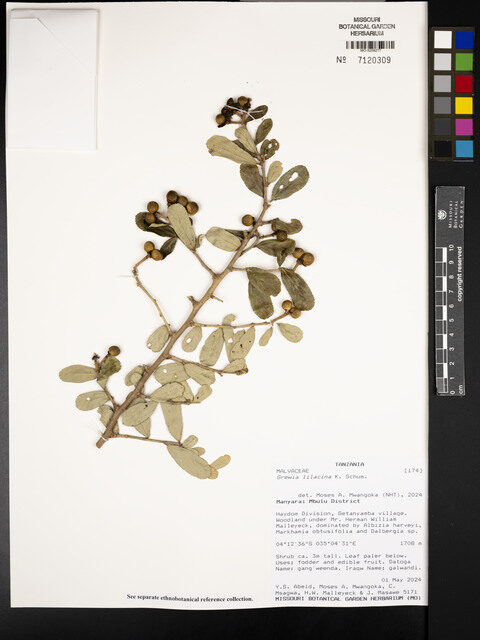
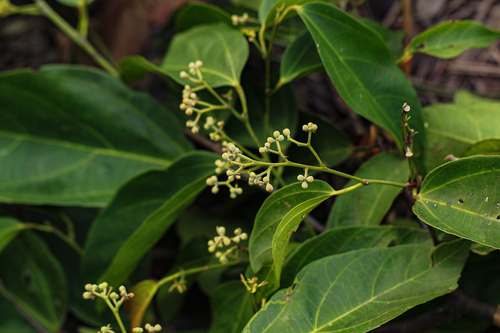
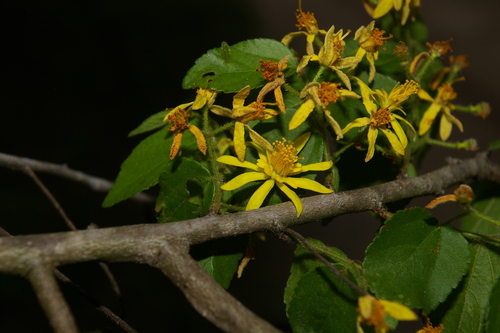
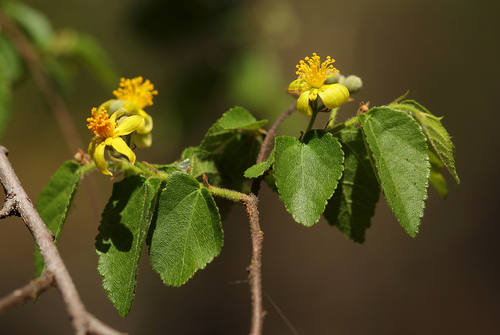
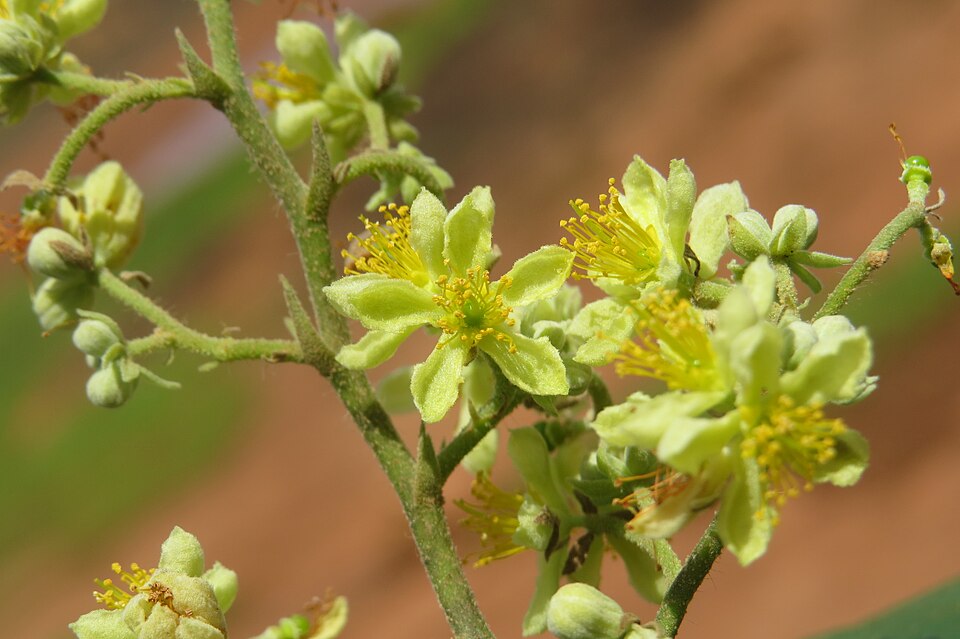
Pseudobombax ellipticum
(Kunth) Dugand
Shaving brush tree
iNaturalist· cc-by-nc
(c) nadianic, some rights reserved (CC BY-NC)
iNaturalist· cc-by-nc
(c) Angélica, some rights reserved (CC BY-NC), uploaded by Angélica
iNaturalist· cc-by-nc
(c) Geovane Siqueira, some rights reserved (CC BY-NC)
Summary
Source: WikipediaPseudobombax ellipticum, with common names including Coquito, is a species of plant in the subfamily Bombacoideae of the family Malvaceae.
Description
A tree that loses its leaves. It grows 15 m high and spreads 5 m wide. The stem is stout and erect. The bark is greenish. The leaves are green and have 5 large leaflets like fingers. The flowers are purple and 10 cm long. They have 5 petals that curve back. There are a cluster of silk pink stamens.
Edible Uses
Uses include firewood and wood for carving handicrafts. The attractive flowers are used to decorate homes and churches in Central America. In Central America, a highly intoxicating drink is made from the tree.
Traditional Uses
Seeds of the white-flowered form are eaten as a snack food.
This uses section is brief — help expand it
Medicinal Uses
A decoction of the bark is a domestic remedy for coughs and catarrh. A decoction of the bark and root is used for treating toothaches and hardening of the gums.
Distribution
A tropical plant. It needs light, well-drained soils and an open sunny position. It is damaged by drought and frost. Tasmanian Botanical Gardens Cacti house.
Where It Grows
Asia, Australia, Central America, Dominican Republic, El Salvador, Guatemala, Haiti, Honduras, India, Mexico*, North America, Tasmania, West Indies,
Cultivation
Plants are grown from seed.
Other Uses
The cotton-like fibre within the pods is utilized like kapok, for stuffing cushions and pillows. It is probably the calyx of this member of the Bombacaceae that is utilized by the Indians of Solola to make unique tobacco pipes, with diminutive bowls and long slender reed stems, that are seen commonly in the markets of Chichicastenango and other highland towns. The wood is very brittle when freshly cut, but when seasoned it is satisfactory for fuel and even for making such articles as bateas (the Central American equivalent of washboards).
Notes
Also put in the family Bombacaceae. In the subfamily Bombacoideae.
Synonyms
Also Known As
Cabellin rojo, Flor de mota, Juanjilon, Mokok
References (10)
- Alcorn, (As Bombax ellipticum)
- Bodkin, F., 1991, Encyclopedia Botanica. Cornstalk publishing, p 154 (As Bombax ellipticum)
- Cruz, I. M., et al, 2015, Edible fruits and seeds in the State of Mexico. Revista Mexicana de Ciencias Agricolas. Vol. 6. Num. 2 pp 331-346
- Ekman Herbarium records Haiti (As Bombax ellipticum)
- Facciola, S., 1998, Cornucopia 2: a Source Book of Edible Plants. Kampong Publications, p 50 (As Bombax ellipticum)
Show all 10 references Hide references
- F. W. H. A. von Humboldt et al., Nov. gen. sp. 5:233[folio]; 5:299[quarto]. 1822 (As Bombax ellipticum)
- Hellmuth, N. M., 2013, Maya Ethnobotany. FLAAR Reports. p 19
- Kermath, B. M., et al, 2014, Food Plants in the Americas: A survey of the domesticated, cultivated and wild plants used for Human food in North, Central and South America and the Caribbean. On line draft. p 718
- Piedra-Malagón, E. M., et al, 2022, Edible native plants of the Gulf of Mexico Province. Biodiversity Data Journal 10: e80565 p 24
- Segura, S., et al, 2018, The edible fruit species in Mexico. Genet Resour Crop Evol (2018) 65:1767–1793