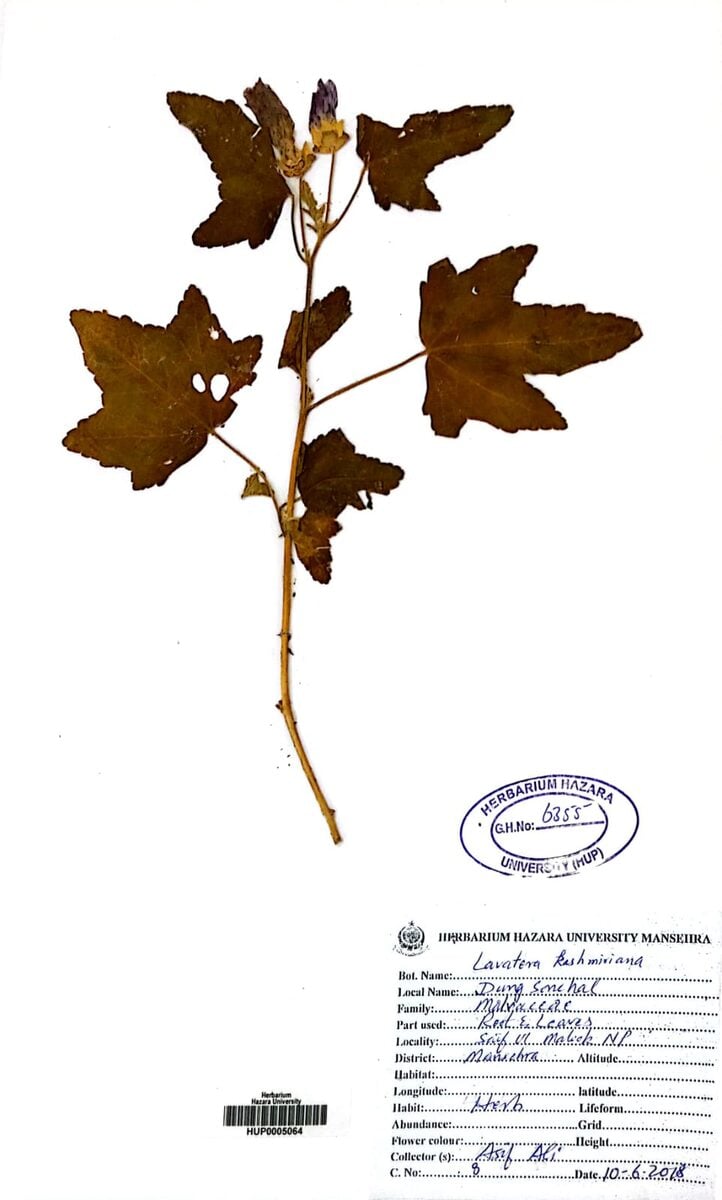
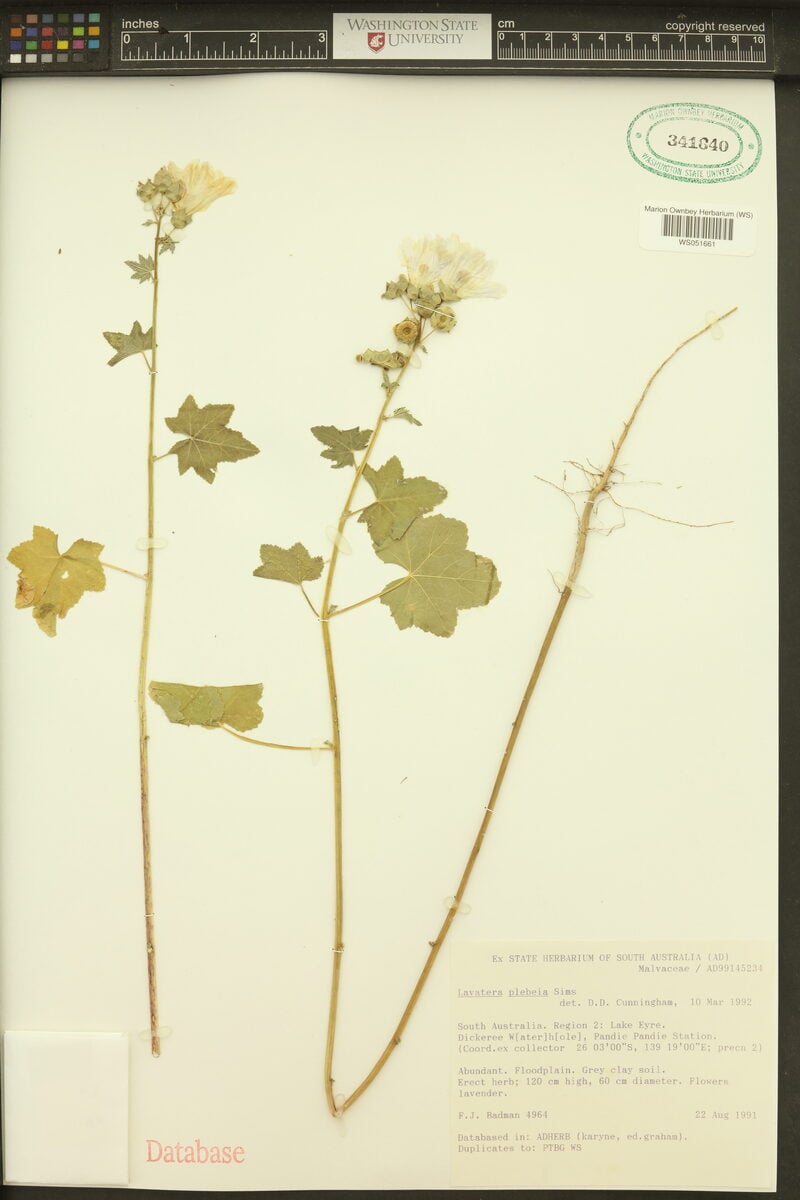
Abelmoschus ficulneus
(L.) Wight et Arn.
Native rosella, White wild musk mallow
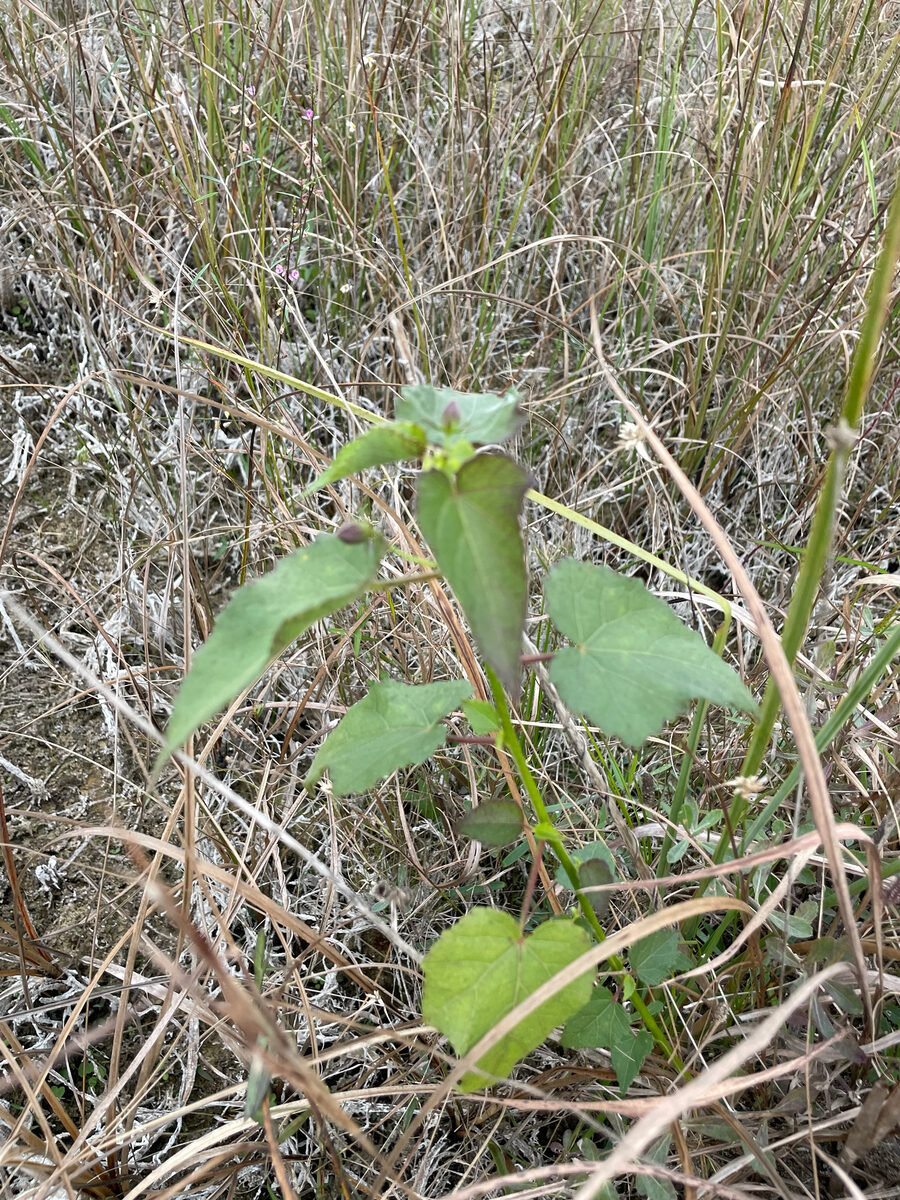
iNaturalist· cc-by-nc-sa
(c) Reiner Richter, some rights reserved (CC BY-NC-SA), uploaded by Reiner Richter
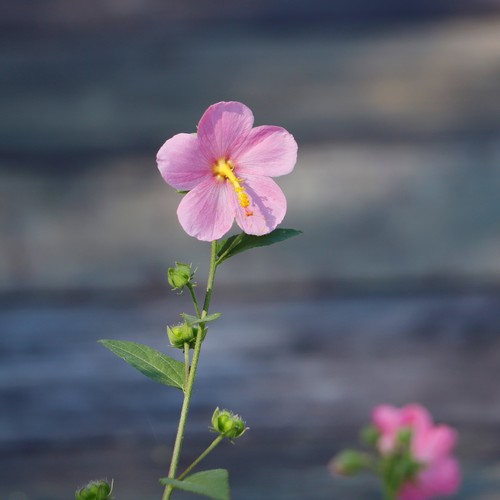
iNaturalist· cc-by-nc
(c) Russell Cumming, some rights reserved (CC BY-NC), uploaded by Russell Cumming
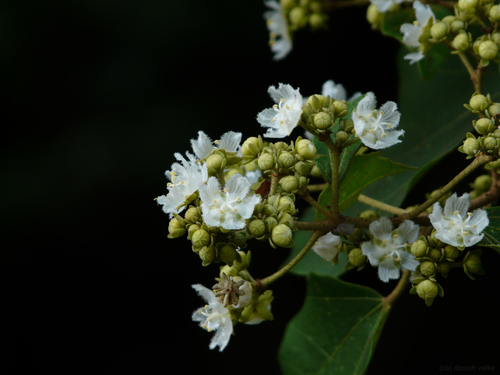
iNaturalist· cc-by-nc
(c) Geoffrey Sinclair, some rights reserved (CC BY-NC), uploaded by Geoffrey Sinclair
Summary
Source: WikipediaAbelmoschus ficulneus is a species of flowering plant in the genus Abelmoschus of the family Malvaceae. It is commonly known as the "white wild musk mallow" or native rosella, it is a fibrous perennial with a woody stem. Its flowers bloom about an inch in diameter with colors of pink or white, with a rose center; its leaves are palmate. It has traditionally been cultivated for its medicinal properties, and has shown some potential in studies for its immunologic effects. This plant can be found mainly in north and East Africa, Madagascar, Indomalaya, and Northern Australia.
Description
A shrub or small tree. It grows 5 m tall. There are prickles along the stem. The leaves are twice divided and there are 8-18 pairs of pinnae. There are up to 50 pairs of pinnules on each pinnae. The flowers are yellow. They are in large clusters at the ends of branches. The pods are flattened.
Edible Uses
The roots and leaves are roasted and eaten. Young fruit are eaten raw. The seeds are used for perfuming coffee and making sweetmeats.
Traditional Uses
The roots and leaves are eaten. They are roasted. The seeds are used for perfuming coffee. They can also be used for sweetmeats. The young fruit are eaten raw.
Medicinal Uses
The leaves, crushed with salted water, are used as a treatment against diarrhoea. A decoction of the crushed fresh root is taken to treat calcium deficiency. In case of a scorpion bite, the root is crushed in a glass of water and drunk, while the root paste is applied on the area of the sting.
Distribution
It is a tropical plant. It often grows on clay and alluvial soils and near ditches. It can grow in arid places.
Where It Grows
Afghanistan, Africa, Asia, Australia*, East Africa, Ethiopia, India, Indonesia, Madagascar, Mozambique, Myanmar, Nigeria, Pacific, Pakistan, Papua New Guinea, PNG, SE Asia, Sri Lanka, Sudan, Tanzania, West Africa,
Cultivation
It can be grown from seed. It can also be grown from stem cuttings which start to grow easily. During the time when plants have died back they can easily be transplanted by carefully lifting the underground storage system.
Propagation
Seed - it can be sown in situ, or in a nursery seedbed and planted out when 15 - 25cm tall.
Other Uses
A good quality fibre is obtained from the stems. The white fibre is long, glossy, fine and strong. It is used for twine and light cordage. Abelmoschus ficulneus (L.) Wight & Arn. is a tertiary wild relative of, and potential gene donor to, okra A. esculentus (L.) Moench.
Production
Plants flower from December to May. The stem are lightly roasted on the fire, then they are softened by pounding between rocks. The soft central part of the stem is eaten.
Other Information
The plant is used for food in Australia and Africa but not known to be used in Papua New Guinea.
Notes
There are about 15 Abelmoschus species. They are tropical and subtropical.
Synonyms
Also Known As
Andha yiza, Bandheras, Deola, Dula, Harjud, Jangli bhindi, Kapasiya, Kasturi, Kathivendai, Nella-bende, Parupubenda, Ran bhendi, Taw-yonbade
References (22)
- Berihun, T. & Molla, E., 2017, Study on the Diversity and Use of Wild Edible Plants in Bullen District Northwest Ethiopia. Hindawi Journal of Botany. Article ID 8383468
- Burkill, H. M., 1985, The useful plants of west tropical Africa, Vol. 4. Kew.
- Cribb, A.B. & J.W., 1976, Wild Food in Australia, Fontana. p 135, 159
- Bhogaonkar, P. Y. & Devarkar, V. D., 2018. Inventory for ethnovegetable knowledge of the tribals of Satpura hill area-Melghat, Dist. Amravati (India), Plantae Scientia, 2018; Vol. 01 Issue 01: 01-08
- Elliot, W.R., & Jones, D.L., 1982, Encyclopedia of Australian Plants suitable for cultivation. Vol 2. Lothian. p 4
Show all 22 references Hide references
- Facciola, S., 1998, Cornucopia 2: a Source Book of Edible Plants. Kampong Publications, p 146
- Hedrick, U.P., 1919, (Ed.), Sturtevant's edible plants of the world. p 343 (As Hibiscus ficulneus)
- Jardin, C., 1970, List of Foods Used In Africa, FAO Nutrition Information Document Series No 2.p 50
- Joshi, A.B. & Hardas, M.W., 1979, Okra, in Simmonds N.W.,(ed), Crop Plant Evolution. Longmans. London. p 194
- Kiran, K. C., et al, 2019, Diversity and Seasonal Availability of Potential Wild Edible Plants from Vidarbha Region of Maharashtra State, India. Int.J.Curr.Microbiol.App.Sci (2019) 8(2): 1434-1446
- Lazarides, M. & Hince, B., 1993, Handbook of Economic Plants of Australia, CSIRO. p 1
- Lim, T. K., 2015, Edible Medicinal and Non Medicinal Plants. Volume 9, Modified Stems, Roots, Bulbs. Springer p 2
- Low, T., 1991, Wild Food Plants of Australia. Australian Nature FieldGuide, Angus & Robertson. p 144
- Martin, F.W. & Ruberte, R.M., 1979, Edible Leaves of the Tropics. Antillian College Press, Mayaguez, Puerto Rico. p 203 (As Hibiscus ficulneus)
- Paczkowska, G. & Chapman, A.R., 2000, The Western Australian Flora. A Descriptive Catalogue. Western Australian Herbarium. p 286
- Prabha, Y. P., et al, 2010, Documentation of Wild Edible Plants of Melghat Forest, Dist. Amravati, Maharashtra State, India. Ethnobotanical Leaflets 14: 751-58, 2010.
- Prodr. fl. Ind. orient. 53. 1834
- Royal Botanic Gardens, Kew (1999). Survey of Economic Plants for Arid and Semi-Arid Lands (SEPASAL) database. Published on the Internet; http://www.rbgkew.org.uk/ceb/sepasal/internet [Accessed 3rd May 2011] (As Hibiscus ficulneus)
- Terra, G.J.A., 1973, Tropical Vegetables. Communication 54e Royal Tropical Institute, Amsterdam, p 50 (As Hibiscus ficulneus)
- Wheeler, J.R.(ed.), 1992, Flora of the Kimberley Region. CALM, Western Australian Herbarium, p 201
- Wightman, Glenn et al. 1994, Gurindji Ethnobotany: Aboriginal Plant Use from Daguragu Northern Australia. Northern Territory Botanical Bulletin No 18. Parks and Wildlife Commission of the Northern Territory. p 7, 8
- World Checklist of Useful Plant Species 2020. Royal Botanic Gardens, Kew