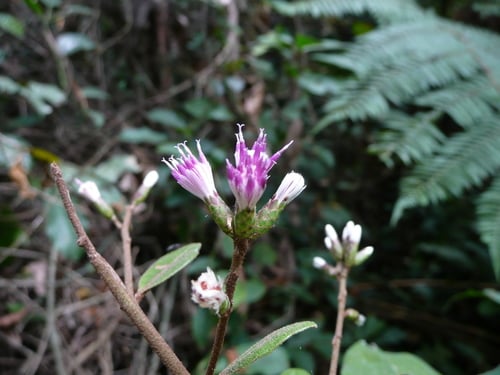
Myriactis nepalensis
Less.
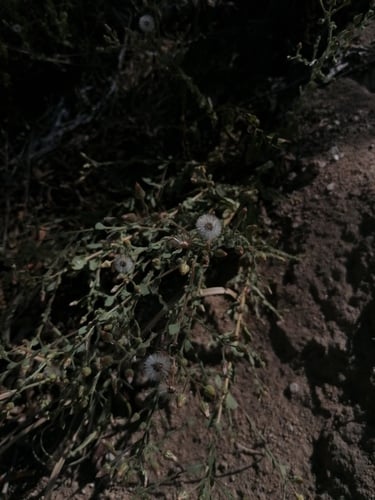
iNaturalist· cc-by-nc
(c) thelittleman, some rights reserved (CC BY-NC), uploaded by thelittleman
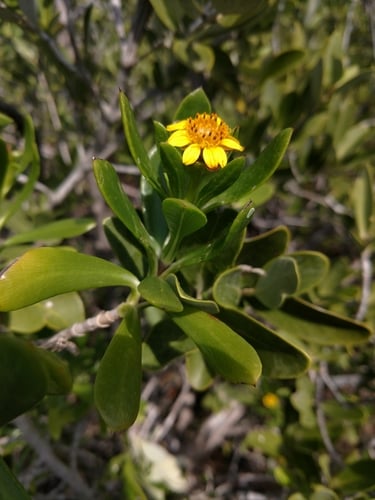
iNaturalist· cc-by
(c) Dee Shea Himes, some rights reserved (CC BY), uploaded by Dee Shea Himes
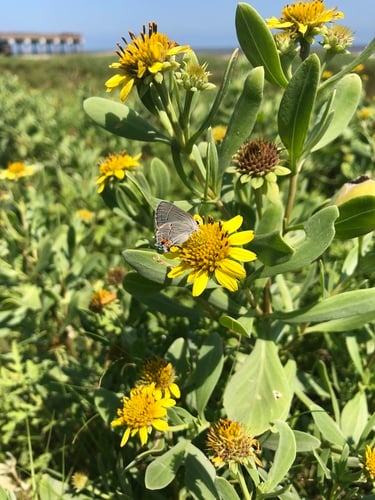
iNaturalist· cc-by-nc
(c) Shiqi Zhou, some rights reserved (CC BY-NC), uploaded by Shiqi Zhou
Description
Myriactis nepalensis is a ANNUAL growing to 0.5 m (1ft 8in). The species is hermaphrodite (has both male and female organs). Suitable for: light (sandy), medium (loamy) and heavy (clay) soils. Suitable pH: mildly acid, neutral and basic (mildly alkaline) soils. It can grow in semi-shade (light woodland) or no shade. It prefers moist soil.
Edible Uses
Leaves and young shoots - cooked. The roasted fruits are pickled.
Distribution
E. Asia - Himalayas.
Where It Grows
TEMPERATE ASIA: China (Guangdong Sheng, Guangxi Zhuangzu Zizhiqu, Guizhou Sheng, Hubei Sheng, Hunan Sheng, Jiangxi Sheng, Sichuan Sheng, Xizang Zizhiqu, Yunnan Sheng) TROPICAL ASIA: Bhutan, India, Nepal, Pakistan, Myanmar, Vietnam
Cultivation
We have very little information on this species and do not know if it will be hardy in Britain. However, judging by its native range, it is likely to succeed outdoors in many areas of the country.
Propagation
Seed - sow spring in sheltered conditions and plant out in late spring. If sufficient seed is available then the seed can probably be sown outdoors in situ in the spring.