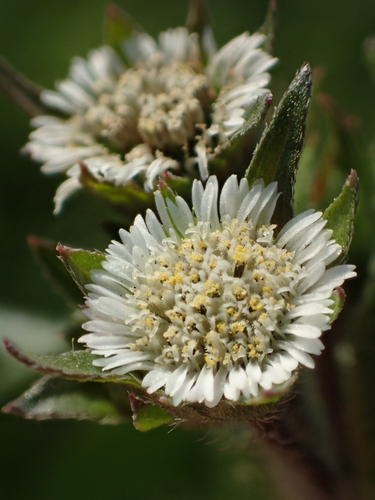
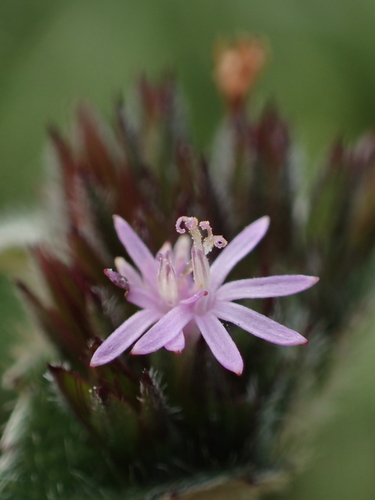
Solidago graminifolia
(L.) Salisb.
Fragrant goldenrod
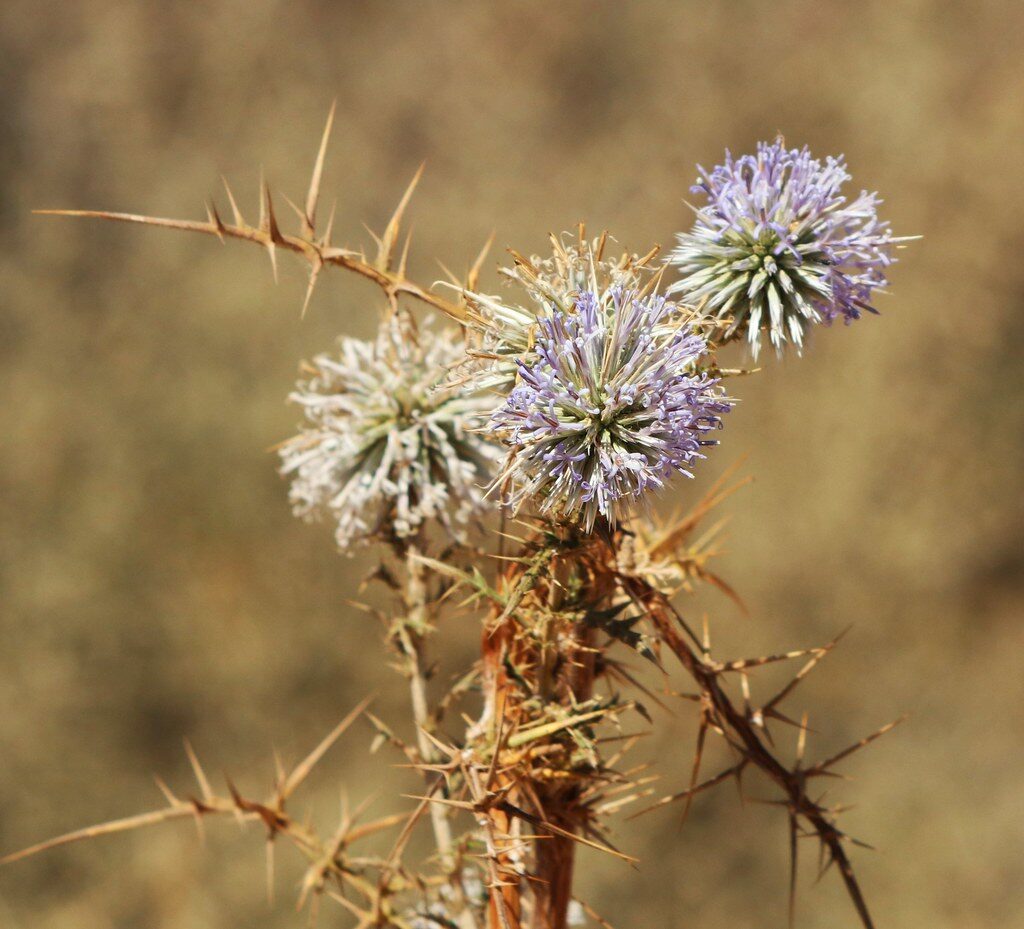
iNaturalist· cc-by-nc
(c) Steve Davis, some rights reserved (CC BY-NC)
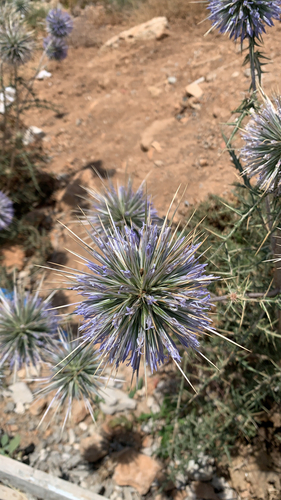
iNaturalist· cc-by-nc
(c) Christopher David Benda, some rights reserved (CC BY-NC)
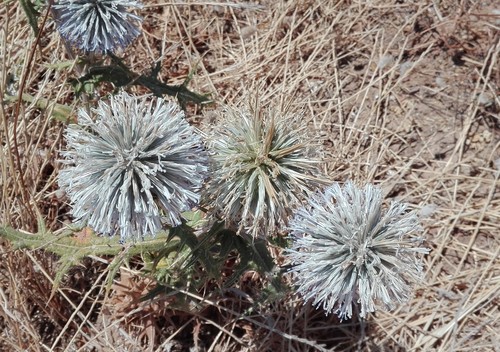
iNaturalist· cc-by-nc
(c) Christopher David Benda, some rights reserved (CC BY-NC)
Summary
Source: WikipediaA perennial goldenrod reaching 1.5 m tall, hardy to UK zone 3. Flowers September to October. Hermaphroditic flowers are insect-pollinated. Tolerates light sandy, medium loamy, and heavy clay soils (including heavy clay) across mildly acidic to mildly alkaline pH ranges. Grows in semi-shade or full sun and prefers moist soil. Noted for attracting wildlife.
Description
A perennial goldenrod reaching 1.5 m tall, hardy to UK zone 3. Flowers September to October. Hermaphroditic flowers are insect-pollinated. Tolerates light sandy, medium loamy, and heavy clay soils (including heavy clay) across mildly acidic to mildly alkaline pH ranges. Grows in semi-shade or full sun and prefers moist soil. Noted for attracting wildlife.
Edible Uses
Fresh or dried leaves make a tea substitute.
Traditional Uses
The fresh or dried leaves are used for tea. The flowers yield and rich honey.
This uses section is brief — help expand it
Medicinal Uses
An infusion of the dried powdered herb is antiseptic. A decoction of the root has been used to treat chest pains and lung problems. An infusion of the blossoms has been used in the treatment of certain fevers.
Distribution
It is a temperate plant.
Where It Grows
North America, Slovenia,
Propagation
Sow seed in spring in a cold frame, barely covering it and keeping the compost moist. Prick out into individual pots when large enough to handle and grow on through the first winter in pots. Plant out into permanent positions in spring or early summer. Divide in spring or autumn; larger divisions can go straight into permanent positions. Smaller divisions are best potted up and grown on in a lightly shaded cold frame until well established, then planted out in summer.
Other Uses
Mustard, orange, and brown dyes can be obtained from the whole plant.
References (3)
- Facciola, S., 1998, Cornucopia 2: a Source Book of Edible Plants. Kampong Publications, p 42
- http://www.botanic-gardens-ljubljana.com/en/plants
- Prodromus stirpium in horto ad Chapel Allerton vigentium 199. 1796