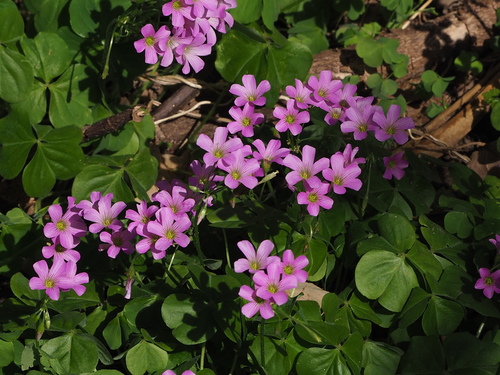
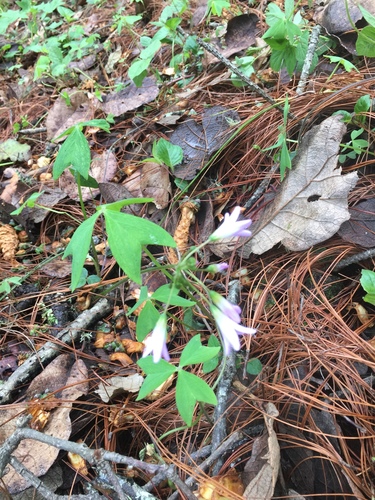
Oxalis deppei
Lodd.
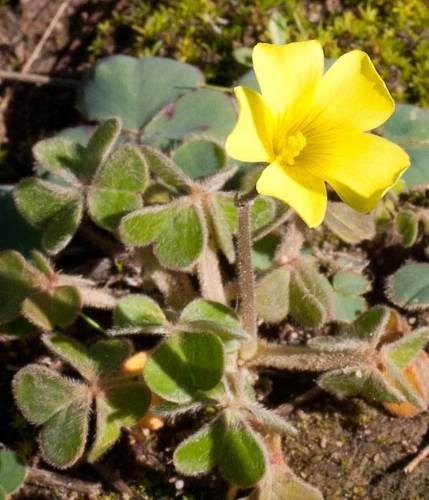
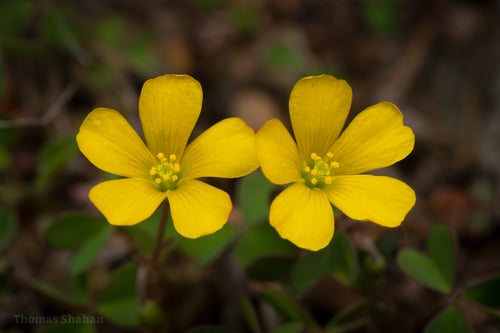
Deppe's wood-sorrel, Iron cross plant
iNaturalist· cc-by-nc
(c) Gustavo A. Martínez Segundo, some rights reserved (CC BY-NC)
iNaturalist· cc-by-nc
(c) mvz-juangonzalezromero, some rights reserved (CC BY-NC)
iNaturalist· cc-by-nc
(c) mvz-juangonzalezromero, some rights reserved (CC BY-NC)
Summary
Source: WikipediaOxalis deppei is a bulbous perennial reaching 30cm tall and 10cm wide, flowering abundantly from June through November with hermaphroditic blooms pollinated by insects. It prefers light sandy or medium loamy, well-drained soil in full sun, thriving in mildly acid to neutral pH and moist conditions. Hardy to UK zone 8 but frost tender.
Description
Oxalis deppei is a bulbous perennial reaching 30cm tall and 10cm wide, flowering abundantly from June through November with hermaphroditic blooms pollinated by insects. It prefers light sandy or medium loamy, well-drained soil in full sun, thriving in mildly acid to neutral pH and moist conditions. Hardy to UK zone 8 but frost tender.
Edible Uses
The leaves and flowers can be eaten raw or cooked, with a delicious lemony flavour. The leaves are tender and relatively free of fibres even as they mature, and both leaves and flowers make a refreshing, thirst-quenching snack in the garden and an excellent flavouring in salads. Leaves are available from June to October and flowers from July to October, or later in mild autumns. Use in moderation due to oxalic acid content. The roots can be eaten raw or cooked — they grow up to 10cm long and 3cm wide at the top, and are tender and juicy, though usually rather insipid. Occasionally a root will have a pleasant acid flavour, though the cause of this variation is not yet established.
Traditional Uses
The leaves are used in salads and soups. The flowers are used in salad or mixed with corn salad. The fleshy roots are boiled and served like asparagus.
Medicinal Uses
None known.
Known Hazards
The leaves contain oxalic acid, which gives them their sharp flavour. Perfectly all right in small quantities, the leaves should not be eaten in large amounts since oxalic acid can bind up the body's supply of calcium leading to nutritional deficiency. The quantity of oxalic acid will be reduced if the leaves are cooked. People with a tendency to rheumatism, arthritis, gout, kidney stones or hyperacidity should take especial caution if including this plant in their diet since it can aggravate their condition.
Distribution
In the tropics it grows in mountains at about 1,600 m altitude.
Where It Grows
Asia, Belgium, Central America, Europe, France, Indonesia, Mexico, North America, SE Asia,
Cultivation
An easily grown plant, preferring a sandy soil in a warm dry position. It dislikes dry or heavy soils. Dislikes lime. Prefers a southerly aspect. This species is only hardy outdoors in the milder areas of Britain, tolerating temperatures down to about -5°c or perhaps a bit lower if the soil is very well-drained. The bulbs are easily harvested in late autumn, however, and can be stored overwinter in a cool frost free place, replanting them in the spring. In milder winter areas a good mulch is usually sufficient to see the bulbs through the winter and they will then normally be more productive of leaves and flowers in the following year. Plants have survived the winter for several years without a mulch on our trial grounds in Cornwall. A very ornamental plant, flowering freely all summer. It was formerly cultivated in Mexico for its edible tuber (this may be a mistaken entry that should have referred to O. tuberosa. Whilst the root of this plant is edible it is neither productive nor very flavourful. The leaves and the flowers are far superior). This species is closely related to and probably part of O. tetraphylla, differing only in its sessile bulbils and truncate leaves.
Propagation
Seed is best sown as soon as ripe in a cold frame. Prick out seedlings into individual pots when large enough to handle, then plant out in late spring or early summer. Plants grown here have never produced seed. Division is done in autumn by harvesting the bulbs and replanting in spring; they generally increase very freely.
Other Uses
None known.
Also Known As
Orach
References (5)
- Facciola, S., 1998, Cornucopia 2: a Source Book of Edible Plants. Kampong Publications, p 165
- Hellmuth, N. M., 2011, Maya Ethnobotany. Complete Inventory of plants. Associacion FLAAR Mesoamerica. Tenth edition.
- Heywood, V.H., Brummitt, R.K., Culham, A., and Seberg, O. 2007, Flowering Plant Families of the World. Royal Botanical Gardens, Kew. p 239
- Lim, T. K., 2015, Edible Medicinal and Non Medicinal Plants. Volume 9, Modified Stems, Roots, Bulbs. Springer p 61
- Veldkamp, 1971, Oxalidaceae, Flora Malesia Series 1 Vol 7:1 p 162