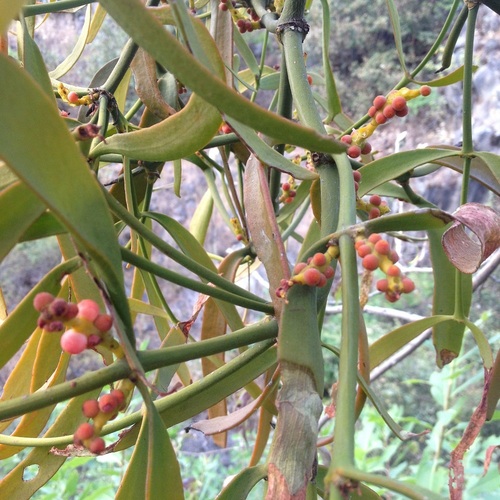
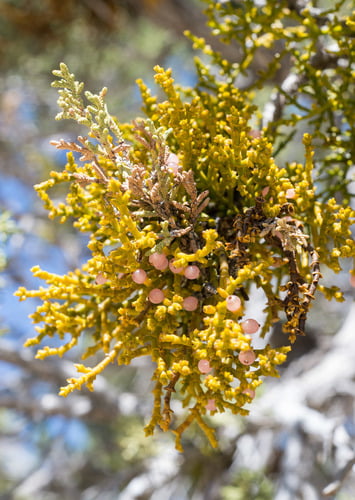
Acanthosyris falcata
(Mart. ex Eichl.) Griseb.
Nana cherry
iNaturalist· cc-by-nc
(c) Cesar Massi, some rights reserved (CC BY-NC), uploaded by Cesar Massi
iNaturalist· cc-by-sa
(c) Sol Quipildor, some rights reserved (CC BY-SA)
iNaturalist· cc-by-sa
(c) Sol Quipildor, some rights reserved (CC BY-SA)
Description
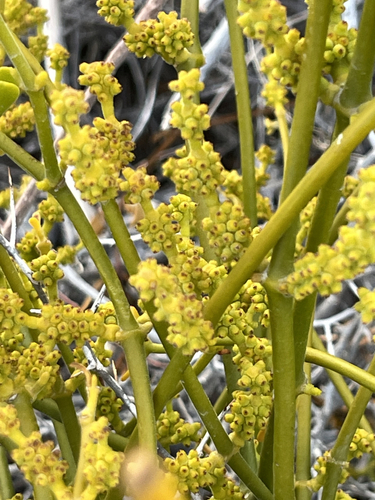
A shrub or small tree. It grows 5 m tall. There are prickles along the stem. The leaves are twice divided and there are 8-18 pairs of pinnae. There are up to 50 pairs of pinnules on each pinnae. The flowers are yellow. They are in large clusters at the ends of branches. The pods are flattened.
Edible Uses
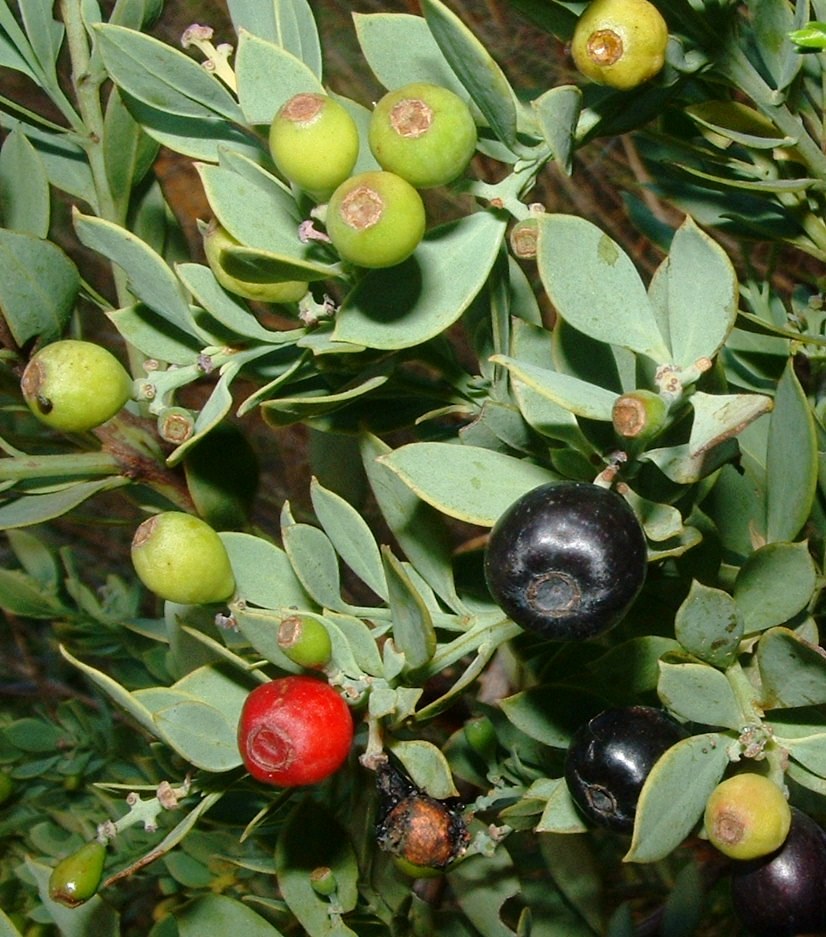
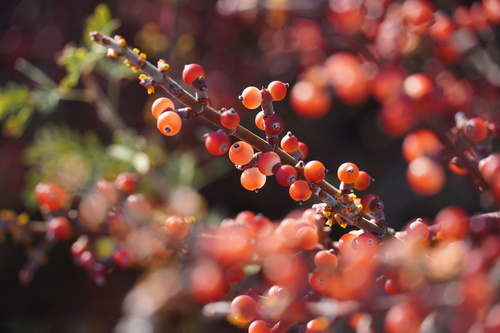
Fruit - raw. The fibrous pulp is juicy and sweet. The fruit is almost too sweet and cannot be eaten in quantity. Children in rural areas use the fruits rather like gum - they chew them until they are reduced to a dry, whitish fibrous mass then spit them out. The fruit is used for making liqueurs. The red fruit is the size of a cherry. The globose fruit is yellow when mature, 15 to 18mm in diameter, similar to a small damask, with a single seed.
Traditional Uses
The ripe fruit are eaten raw. They have a pleasant taste.
This uses section is brief — help expand it
Medicinal Uses
The plant has local medicinal uses.
Distribution
It is a tropical plant. It grows in humid soils.
Where It Grows
Argentina, Bolivia, Paraguay, South America*, Uruguay,
Cultivation
A plant of subtropical to tropical areas, where it can be found at elevations from around sea level to over 1,000 metres. Plants are damaged by frost.
Other Uses
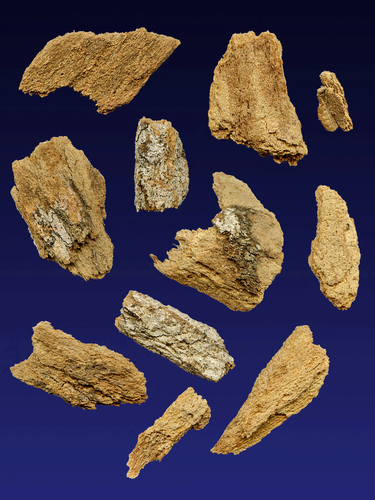
The white to yellow wood is soft and of medium weight. Of mediocre quality, it has limited uses for purposes such as rods for thatched roofs. It is used for making furniture.
Notes
There are 3 Acanthosyris species. They occur in temperate South America.
Also Known As
Ampanteno, En chorote, Jwateenuk, Katoshuk, Sachapera, Saucillo, Yawhanmo, Yva he'e
References (9)
- Arenas, P. and Scarpa, G. F., 2006, Edible wild plants of the Chorote Indians, Gran Chaco, Argentina. Botanical Journal of the Linnean Society. Vol. 153 (1): pp 73-85
- Bircher, A. G. & Bircher, W. H., 2000, Encyclopedia of Fruit Trees and Edible Flowering Plants in Egypt and the Subtropics. AUC Press. p 6
- Heywood, V.H., Brummitt, R.K., Culham, A., and Seberg, O. 2007, Flowering Plant Families of the World. Royal Botanical Gardens, Kew. p 292
- Malezas Comestibles del Cono Sur, INTA, 2009, Buernos Aires
- Montani, M. C. & Scarpa, G. F., 2016, Recursos vegetales y prácticas alimentarias entre indígenas tapiete del noreste de la provincia de Salta, Argentina. Darwiniana, nueva serie vol.4 no.1 San Isidro jul. 2016
Show all 9 references Hide references
- Polini, G., et al, Useful and edible plants of Paraguay Region of Chaco. p 118
- Scarpa, G. F., 2009, Wild food plants used by the indigenous peoples of South American Gran Chaco: A general synopsis and intercultural comparison. Journal of Applied Botany and Food Quality 83:90-101
- Schmedia-Hirschmann, G., 1994, Plants resources Used by the Ayoreo of the Paraguayan Chaco. Economic Botany Vol. 48. No. 3. pp. 252-258
- Usher, G., 1974, A Dictionary of Plants Used by Man. Constable. p 15