Diospyros cauliflora
Blume
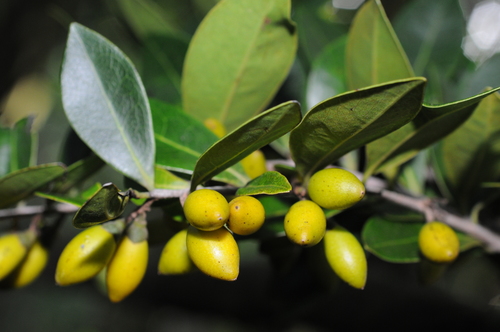
Cauliflorous ebony tree
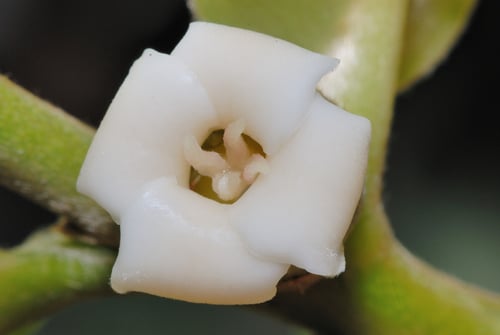
iNaturalist· cc-by-nc
(c) nolliecilliers, some rights reserved (CC BY-NC)
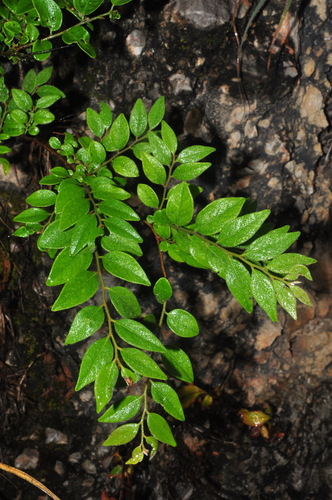
iNaturalist· cc-by-nc
(c) Yusran E. Ritonga, some rights reserved (CC BY-NC)
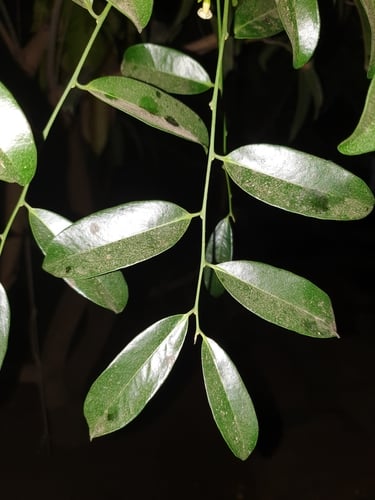
iNaturalist· cc-by-nc
(c) Yusran E. Ritonga, some rights reserved (CC BY-NC)
Summary
Source: WikipediaDiospyros cauliflora is a tree in the family Ebenaceae. The specific epithet cauliflora means cauliflorous, i.e. flowers growing directly from the trunk or branches.
Description
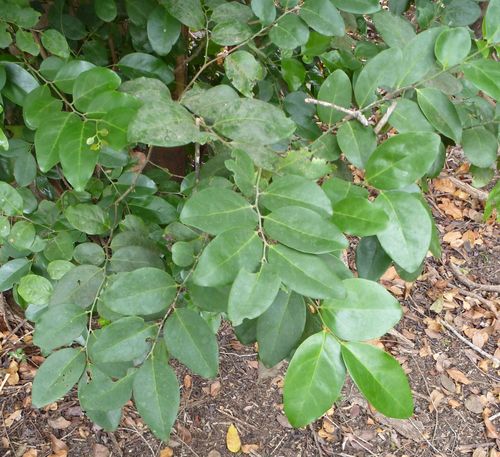
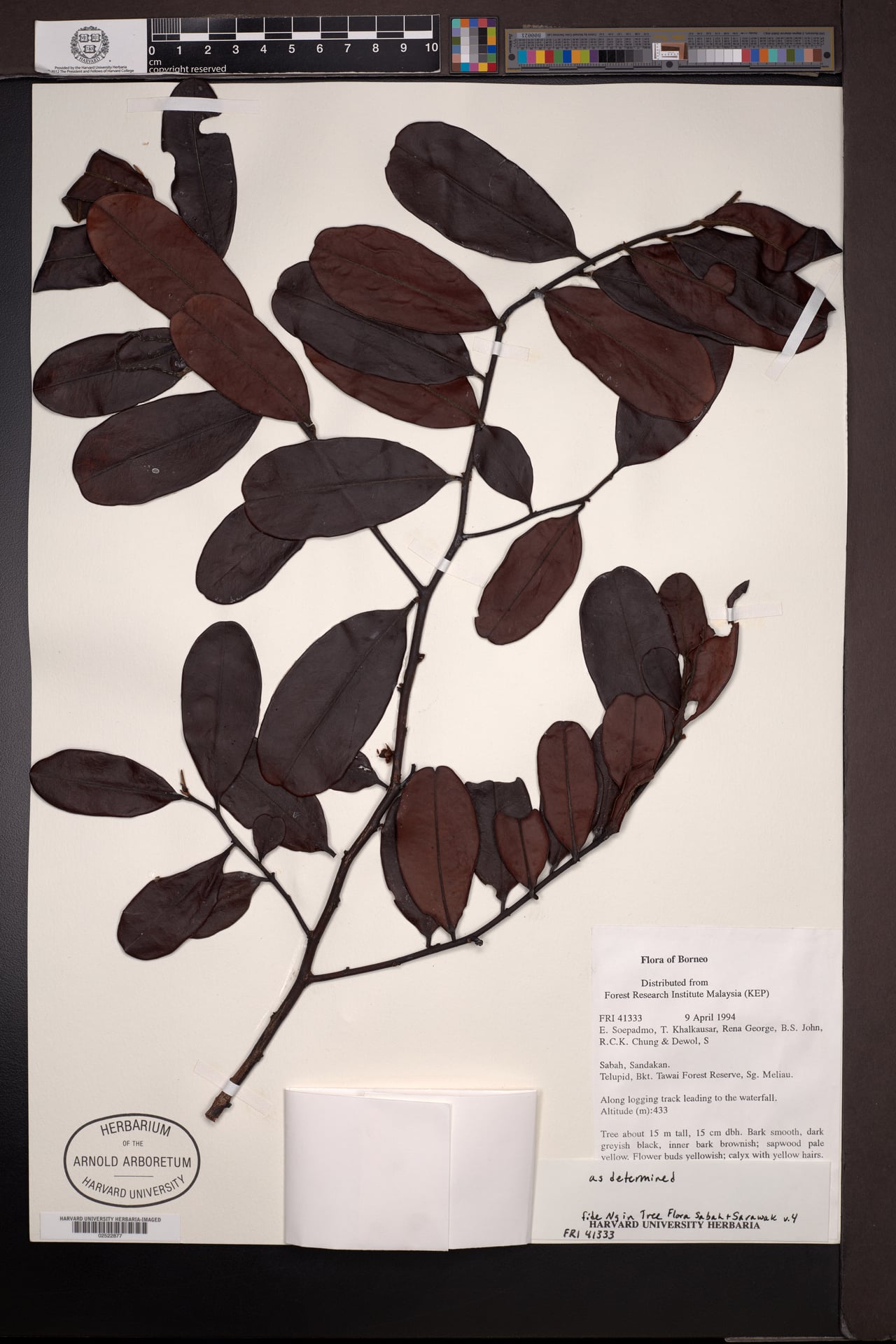
A tree. It grows 17-24 m tall. The trunk has swollen knobs on it. Flowers develop from these. The twigs have red brown hairs. The bark is black. The leaves are broadly oval and 10-40 cm long by 3-13 cm wide. The base is wedge shaped. It tapers to the tip. There are 5-14 pairs of veins. The flowering shoots are borne on twigs on the trunks and branches. Male flowers are small and in groups. The female flowers also occur in groups. The fruit are round and about 2.5 cm across. They have lobes and these each contain a seed. There can be up to 4 seeds.
Edible Uses
The flesh of ripe fruit is eaten fresh.
Traditional Uses
The flesh of the ripe fruit is eaten.
This uses section is brief — help expand it
Distribution
A tropical plant. It occurs at low to medium altitudes in forests. It grows up to 800 m above sea level.
Where It Grows
Asia, India, Indochina, Indonesia, Malaysia, Myanmar, New Guinea, Pacific, Philippines, SE Asia, Singapore, Thailand, Vietnam,
Cultivation
Plants can be grown from seeds. They can also be grown from cuttings.
Synonyms
Also Known As
Do-an hoa-o-than, Krot-kha-mao, Mai, Pohon eben kayu arang, Thao saen pom, Tubo
References (3)
- Bijdr. 2:668. 1825
- Coronel, R.E., 1982, Fruit Collections in the Philippines. IBPGR Newsletter p 9
- Sukarya, D. G., (Ed.) 2013, 3,500 Plant Species of the Botanic Gardens of Indonesia. LIPI p 235