Garcinia picrorhiza
Miq.
Risa mangosteen
gbif· cc-by
Royal Botanic Gardens, Kew
gbif· cc-by
Royal Botanic Gardens, Kew
gbif· cc-by
Royal Botanic Gardens, Kew
Description
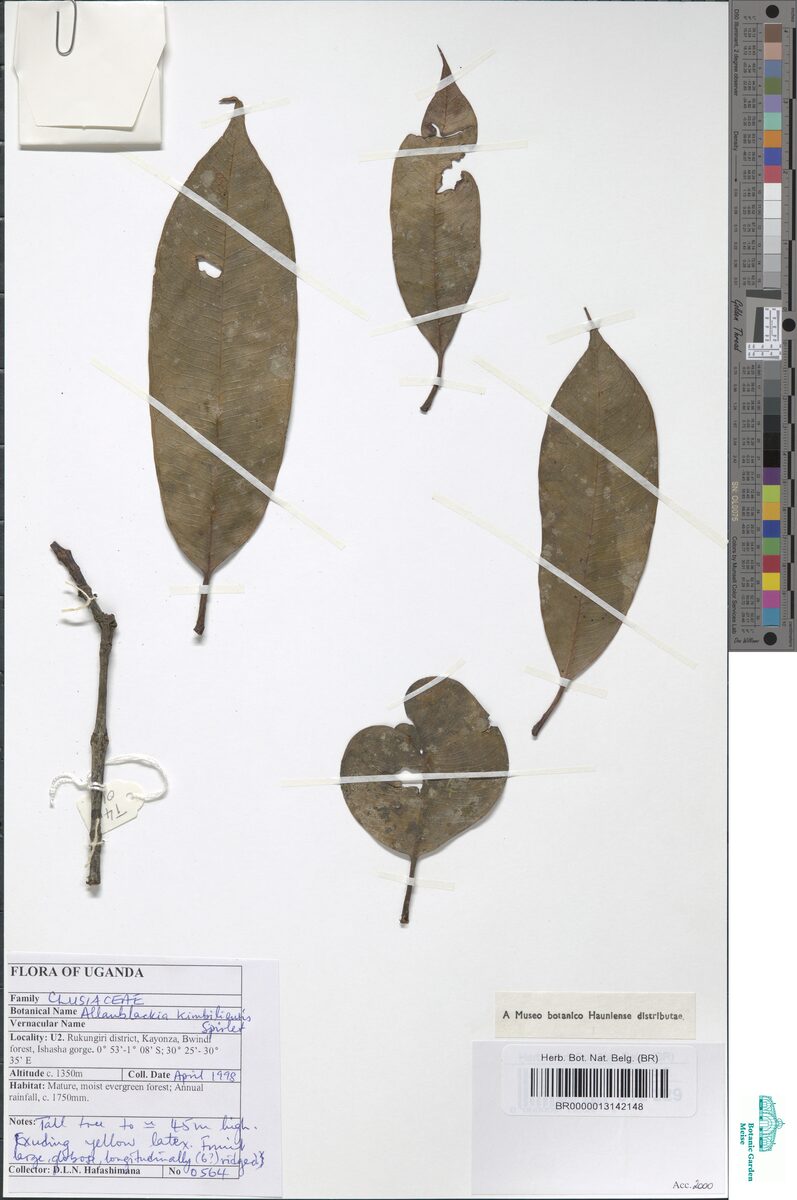
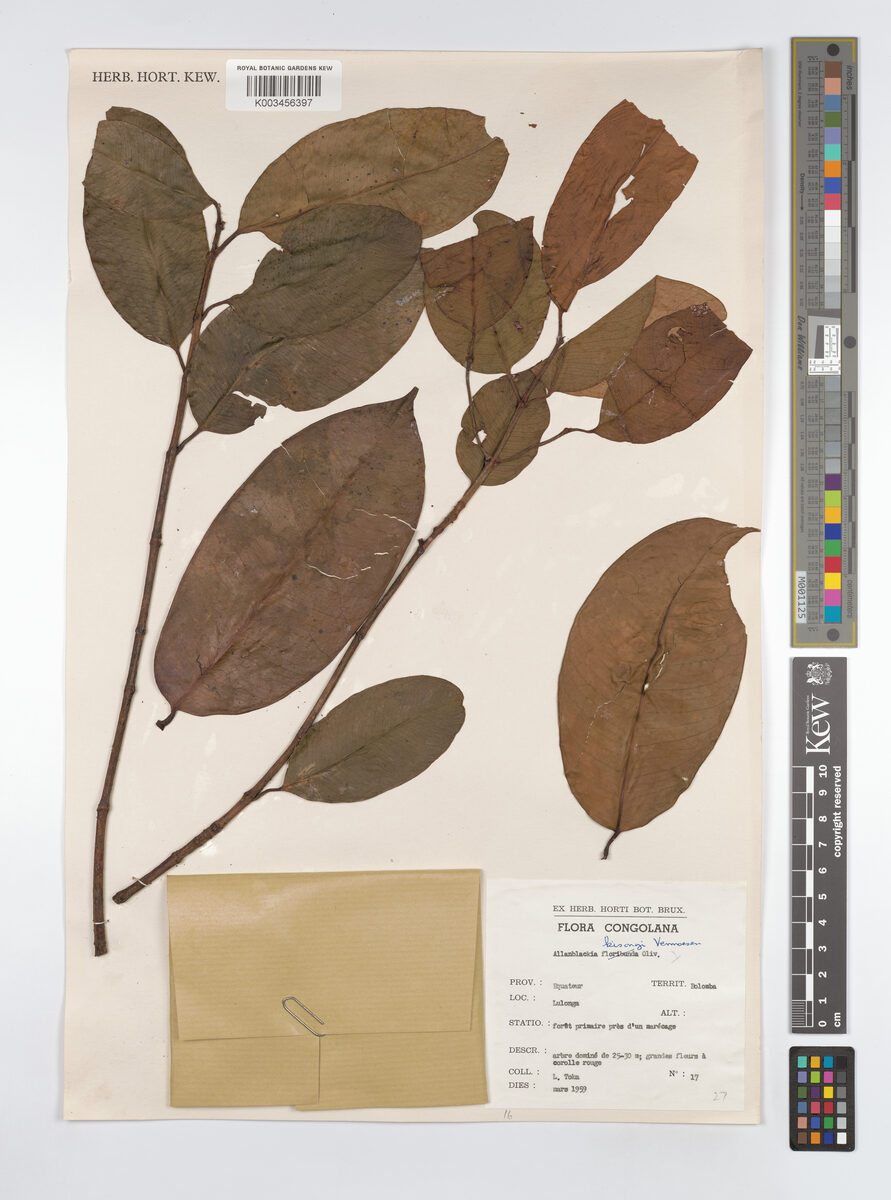
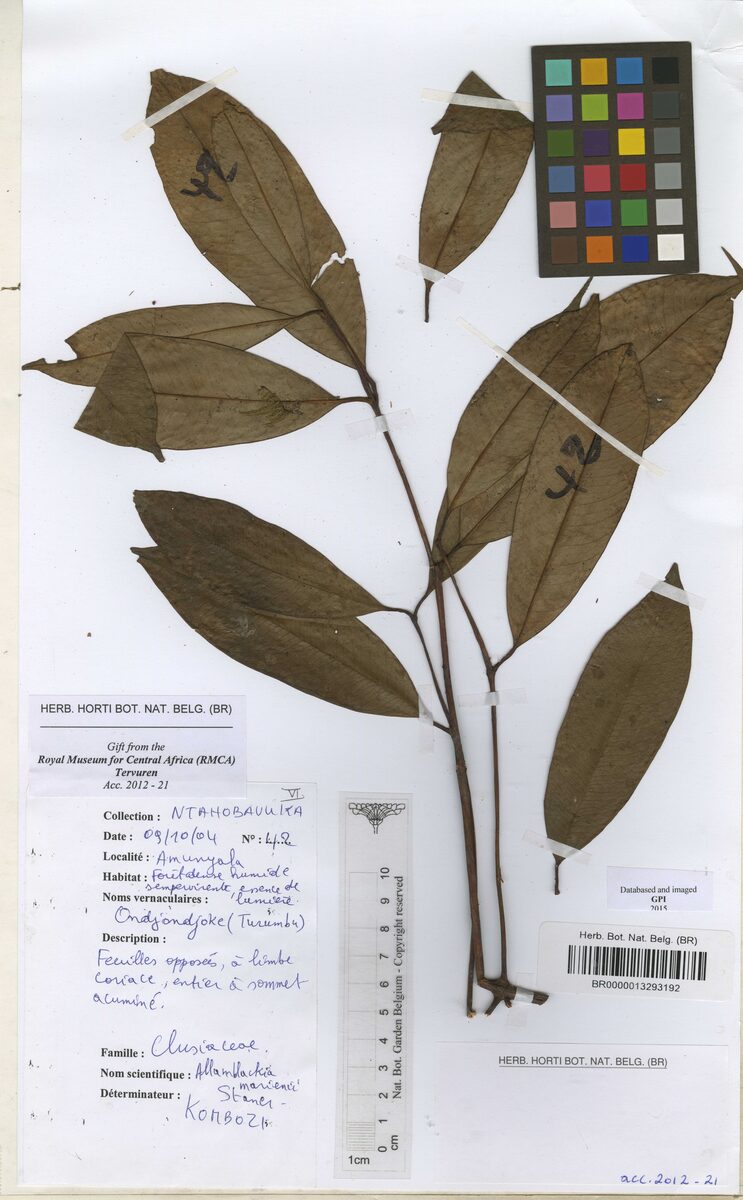
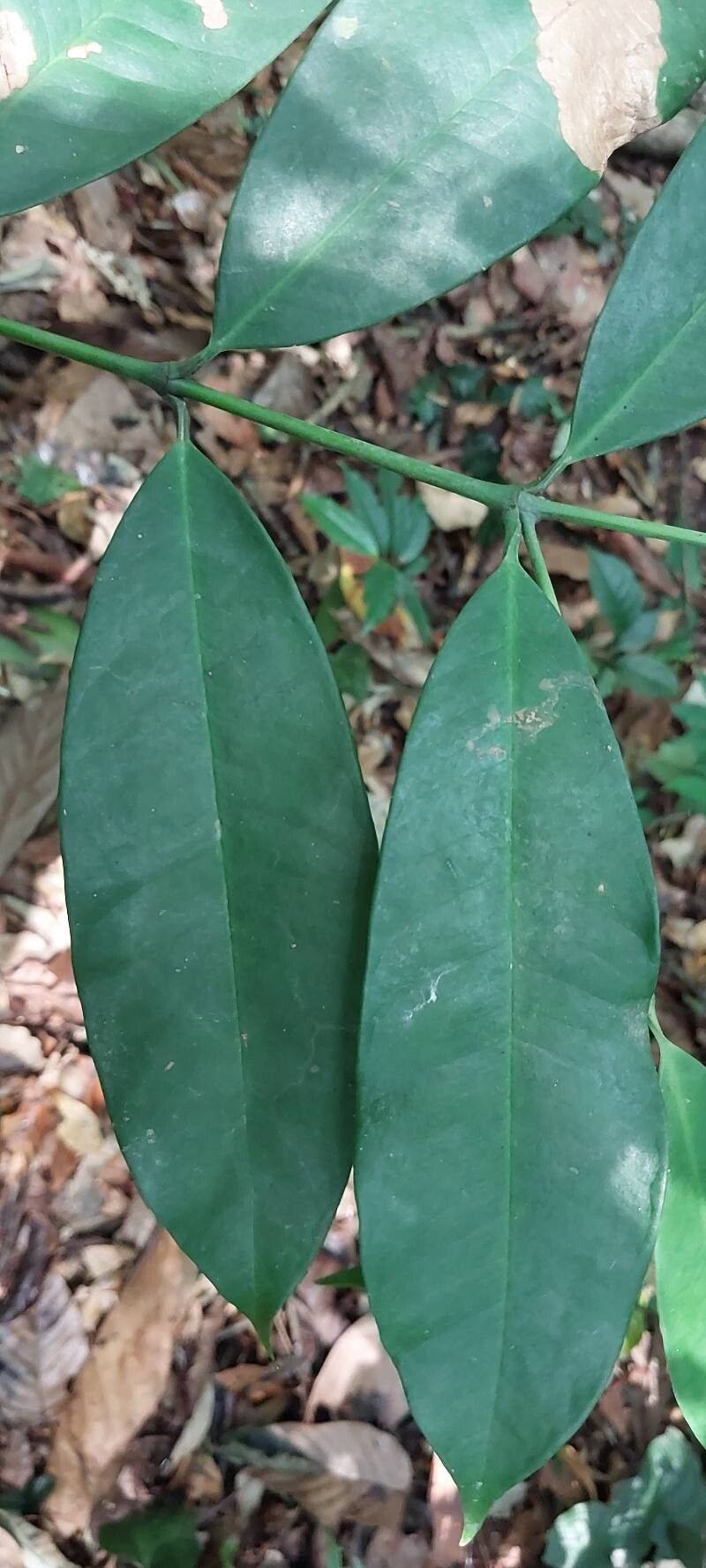
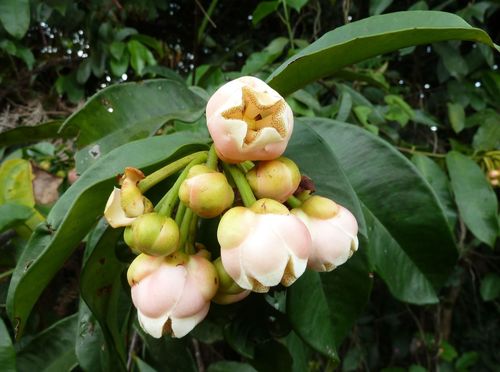
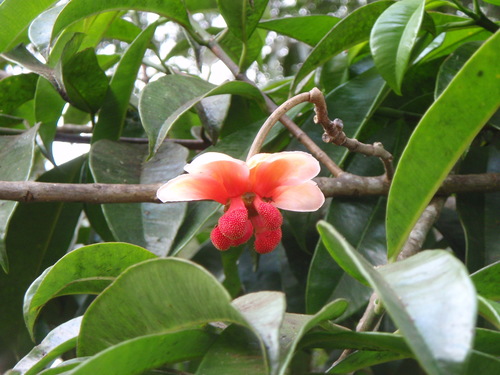
A large tree. It grows 30 m tall. The latex is yellow. The leaves are opposite and oblong or narrowly oval. They are 11-12 cm long by 3-4 cm wide. The flowers are in the axils of leaves. There are 5-7 flowers in a group. The fruit is an oval berry. It is 15 mm long by 8 mm wide. Each fruit has 1 or 2 seeds.
Edible Uses
Split pieces of the roots, known locally as 'obat saguer', are used to give a more bitter and astringent taste to palm wine. This practice also seems to extend the keeping quality of the wine.
Traditional Uses
The fruit is sweet but can leave a bitter after taste.
This uses section is brief — help expand it
Distribution
A tropical plant. It grows in mountain forest.
Where It Grows
Asia, Indonesia, New Guinea, Pacific, Philippines, SE Asia,
Cultivation
Plants can be grown by seeds.
Propagation
Seed - we have no specific information on this species, but the seed of most members of the genus can be slow to germinate, even if sown fresh, often taking 6 months or more.
Other Uses
The wood is fine, hard and durable. The stems have been used locally for house posts.
Also Known As
Pohon manggis risa, Pohon manggis sesoot
References (6)
- Ann. Mus. Bot. Lugduno-Batavum 1:209. 1864
- Coronel, R.E., 1982, Fruit Collections in the Philippines. IBPGR Newsletter p 7
- Reis, S. V. and Lipp, F. L., 1982, New Plant Sources for Drugs and Foods from the New York Botanical Garden herbarium. Harvard. p 186
- Sukarya, D. G., (Ed.) 2013, 3,500 Plant Species of the Botanic Gardens of Indonesia. LIPI p 302
- Uji, T., 2007, Keanekaragaman, Persebaran dan Potensi Jenis-jenis Garcinia. Berk. Penel. Hayati: 12 (129–135), 2007
Show all 6 references Hide references
- World Checklist of Useful Plant Species 2020. Royal Botanic Gardens, Kew