Trapa natans var. quadrispinosa
Roxb.
Waterchestnut
gbif· cc-by-nc
Cowry639
gbif· cc-by
Meise Botanic Garden
gbif· cc0
Conveyor Belt
Description
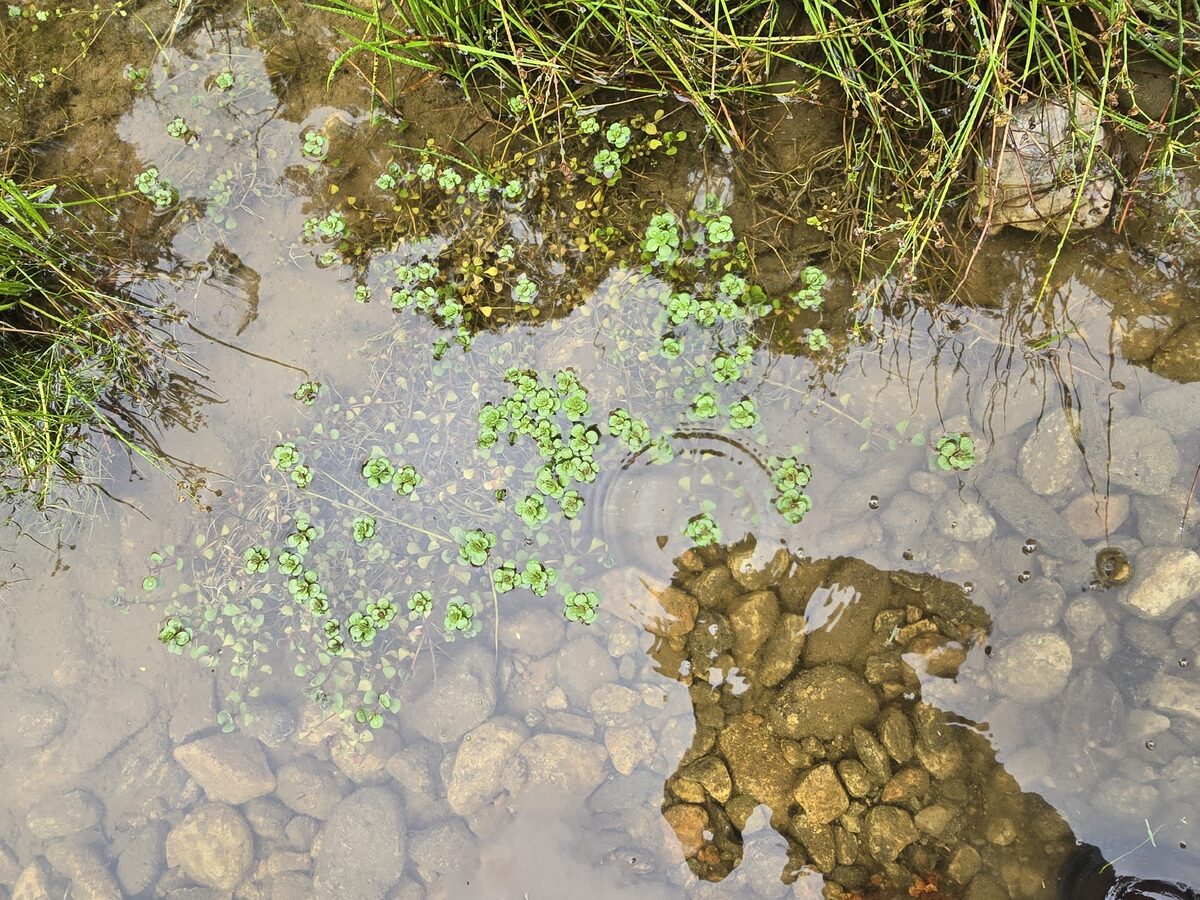
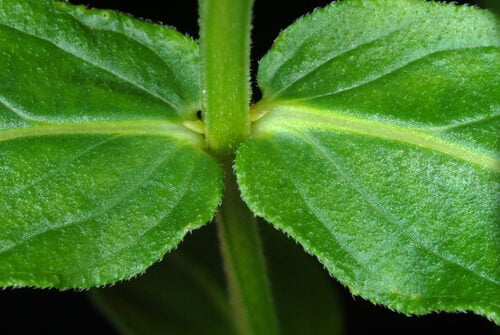
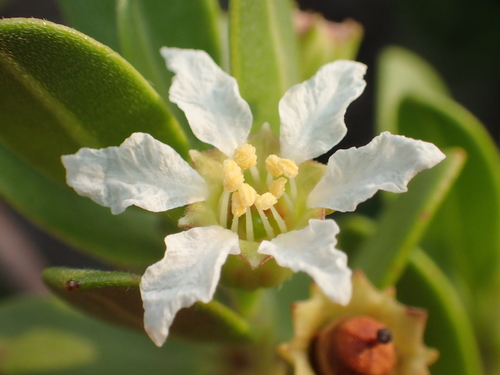
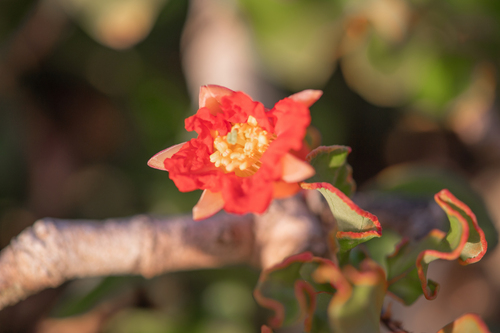
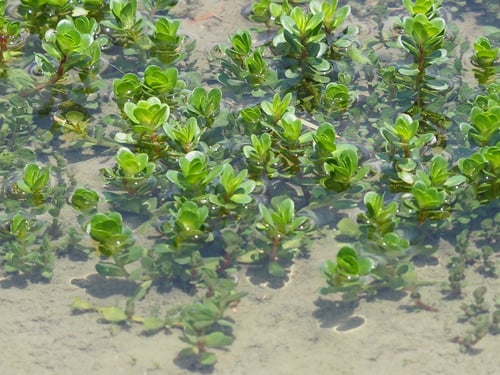
A plant that grows in water. The leaves are triangle shaped and have coarse teeth. They are 2-4 cm long and 3-6 cm wide. They are shiny and dark green above and reddish-purple and hairy underneath. The leaves are in loose rings. They float on the surface of the water. The leaf stalks are under the water and often have large inflated air sacs. The flowers are white. There are 4 petals about 8 mm long. The fruit are shaped like a top and have 2-4 sharp horns.
Edible Uses
The seeds are eaten raw or cooked.
Traditional Uses
The seeds are eaten raw or cooked.
This uses section is brief — help expand it
Distribution
It is a subtropical plant. In the Himalayas it grows up to 1700 m altitude.
Where It Grows
Afghanistan, Asia, Himalayas, India, Nepal, Northeastern India, Pakistan,
Production
In northeastern India plants flower between July to September and fruit in late summer.
Synonyms
Also Known As
Singhara, Singra, Soru singori
References (5)
- Baishya, S. Kr., et al, 2013, Survey of Wild Edible Fruits of Dhubri District, Assam, India. Plant Archives Vol 13 (1): 155-158
- Patiri, B. & Borah, A., 2007, Wild Edible Plants of Assam. Geethaki Publishers. p 59
- Pegu, R., et al, 2013, Ethnobotanical study of Wild Edible Plants in Poba Reserved Forest, Assam, India. Research Journal of Agriculture and Forestry Sciences 1(3):1-10
- Polunin, O., & Stainton, A., 2006, Flowers of the Himalaya, Oxford India Paperbacks. p 150
- Upreti, K., et al, 2010, Diversity and Distribution of Wild Edible Fruit Plants of Uttarakhand. Bioversity Potentials of the Himalaya. p 191