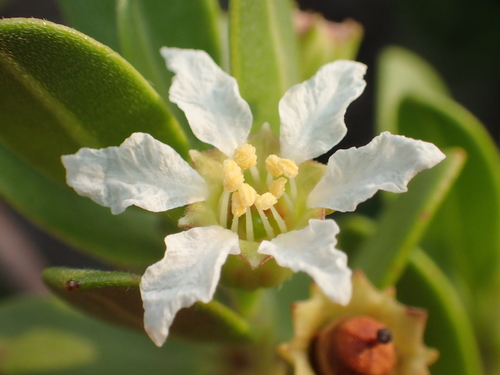
Duabanga grandiflora
(Roxb. ex DC.) Walp.;
iNaturalist· cc-by-nc-sa
(c) Tony Rodd, some rights reserved (CC BY-NC-SA)
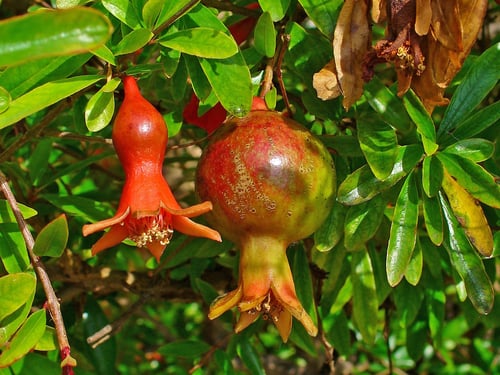
iNaturalist· cc-by-nc
(c) James Bailey, some rights reserved (CC BY-NC)
iNaturalist· cc-by-nc
(c) James Bailey, some rights reserved (CC BY-NC)
Summary
Source: WikipediaDuabanga grandiflora (syn. D. sonneratioides) is a species of evergreen tropical tree. From its peculiar habit, it is a singular feature in its native forests. The trunk is erect, 40–80 feet high, undivided but sometimes forking from the base. The lower limbs spread drooping from the trunk; these are long, slender, sparingly branched, and the branches are four-angled, loosely covered with large spreading leaves. Since the leaves are arranged in two ranks, the slender branches resemble petioles, bearing pinnae of a compound leaf; the leaves are further often recurved, and are deep green above, and almost white beneath. The large blossoms expand in April, exhaling a rank odour reportedly resembling asafoetida when they first burst, but they become inodorous before the petals drop. The stamens are all bent inwards in bud. The fruit is a large as a small apple. The wood is white and soft.
Description
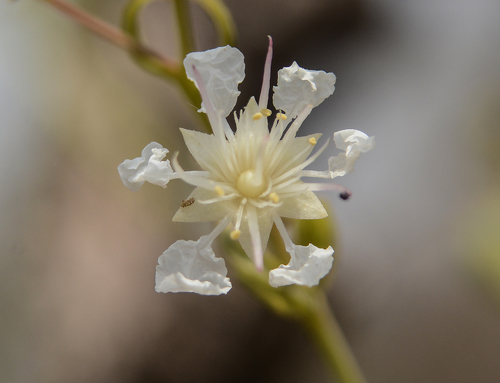
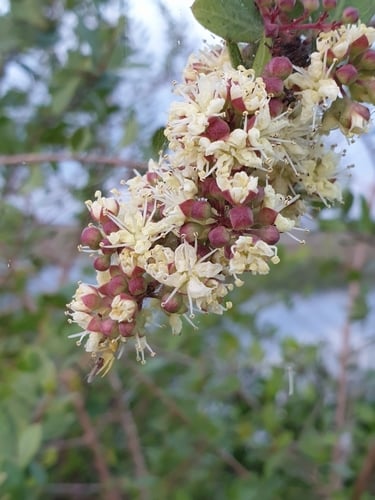
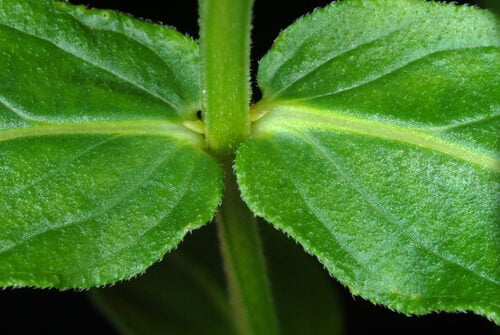
A tall evergreen tree. It grows to about 35 m high. It can be 60 m high. The trunk is smooth and greyish brown. It has hoop shaped ridges and leaf scars that are shaped like shields. The bark peels off in flakes. The leaves are 9-33 cm long by 4-11 cm wide. They are broadly sword shaped with a heart shaped base and a rounded tip. The flowers are white. They are held in large heads. The flowers come out at night. They have an unpleasant smell. The fruit is a capsule 3 cm across. It splits into 6 parts. There a 6 star shaped calyxes around the fruit. There are a large number of thread like seeds.
Edible Uses
The fruit are eaten fresh with a sour taste and are used for drinks. Young fruit are boiled and eaten. The nectar is also edible.
Traditional Uses
The fruit are eaten fresh. They have a sour taste. They are used for drinks. The young fruit are boiled and eaten.
This uses section is brief — help expand it
Known Hazards
The bark is used as a fish poison.
Distribution
A tropical plant. It grows to about 1000 m altitude in Nepal. They grow along stream banks in warm moist climates. It can grow in areas that are occasionally flooded. It grows in hardiness zones 10-12. In Yunnan.
Where It Grows
Asia, Bangladesh, Bhutan, Cambodia, China, Himalayas, India, (Andamans, Nicobar), Indochina, Laos, Malaysia, Myanmar, Nepal, Northeastern India, Pacific, Philippines, SE Asia, Sikkim, Thailand, Tibet, Vietnam,
Cultivation
Plants are grown from seed. They can also be grown from large cuttings.
Other Uses
The fruits and leaves are boiled to make a black dye. The heartwood is light yellow to light brown with light yellowish streaks; it is not demarcated from the sapwood. The texture is coarse, the grain straight or interlocked. The wood is light in weight, soft; it is not durable , being susceptible to fungi, dry wood borers and termites. It seasons rapidly, with only a slight risk of checking or distortion; once dry it is moderately stable in service. The wood is easily worked with ordinary tools, though these must be kept very sharp to avoid fuzzy surfaces; filling is necessary in order to obtain a good finish; nailing and screwing are poor; gluing is correct. A lower quality timber, it is used for purposes such as boxes and crates, tea boxes, furniture components, house and boat building, blockboard, fibre boards and pulp. It is used traditionally for making canoes, household utensils etc.
Production
It grows quickly.
Notes
There are 2 Duabanga species. They have been included previously in the Sonneratiaceae.
Synonyms
Also Known As
Ba bao shu, Bandorhulla, Bang lang ban, Berembang bukit, Ga-zaw, Hkalam, Hojo gulo, Kamaung-yegyi, Kaung-laung, Kendada, Khukan, Kokan, Lampatey, Lampatia, Lampatti, Lampen, Lampu ki meo, Lin ngo, Lin-zin, Madane, Mai-kayong, Mai-sa-lao-long, Mai ten, Mau-lettan, Myaukngo, Nepal-lampetis, Ngawn-kai, Pani saj, Pedada bukit, Phay, Phay sung, Shala, Tadet-ko, Tadetti, Ta-kai, Ten, Thit-kazaw, Thora, Zuang
References (22)
- Ambasta, S.P. (Ed.), 2000, The Useful Plants of India. CSIR India. p 186 (As Duabanga sonneratioides)
- Anderson, E. F., 1993, Plants and people of the Golden Triangle. Dioscorides Press. p 210
- Angami, A., et al, 2006, Status and potential of wild edible plants of Arunachal Pradesh. Indian Journal of Traditional Knowledge 5(4) October 2006, pp 541-550
- Barwick, M., 2004, Tropical and Subtropical Trees. A Worldwide Encyclopedic Guide. Thames and Hudson p 157
- Burkill, I.H., 1966, A Dictionary of the Economic Products of the Malay Peninsula. Ministry of Agriculture and Cooperatives, Kuala Lumpur, Malaysia. Vol 1 (A-H) p 882 (As Duabanga sonneratioides)
Show all 22 references Hide references
- Dobriyal, M. J. R. & Dobriyal, R., 2014, Non Wood Forest Produce an Option for Ethnic Food and Nutritional Security in India. Int. J. of Usuf. Mngt. 15(1):17-37
- Facciola, S., 1998, Cornucopia 2: a Source Book of Edible Plants. Kampong Publications, p 238 (As Duabanga sonneratioides)
- Gardner, S., et al, 2000, A Field Guide to Forest Trees of Northern Thailand, Kobfai Publishing Project. p 208
- http://www.ntbg.org/plants/plant details.php
- Kar, A., et al, 2013, Wild Edible Plant Resources used by the Mizos of Mizoram, India. Kathmandu University Journal of Science, Engineering and Technology. Vol. 9, No. 1, July, 2013, 106-126
- Llamas, K.A., 2003, Tropical Flowering Plants. Timber Press. p 247
- Manandhar, N.P., 2002, Plants and People of Nepal. Timber Press. Portland, Oregon. p 210
- Recher, P, 2001, Fruit Spirit Botanical Gardens Plant Index. www.nrg.com.au/~recher/ seedlist.html p 5 (As Duabanga sonneratioides)
- Rep. 2:114. 1843
- Sam, H. V. et al, 2004, Trees of Laos and Vietnam: A Field Guide to 100 Economically or Ecologically Important Species. BLUMEA 49: 201-349
- Shin, T., et al, 2018, Traditional knowledge of wild edible plants with special emphasis on medicinal uses in Southern Shan State, Myanmar. Journal of Ethnobiology and Ethnomedicine (2018) 14:48
- Singh, H.B., Arora R.K.,1978, Wild edible Plants of India. Indian Council of Agricultural Research, New Delhi. p 56 (As Duabanga sonneratioides)
- Slik, F., www.asianplant.net
- Sundriyal, M. & Sundriyal, R. C., 2004, Structure, Phenology, Fruit Yield, and Future Prospects of some Prominent Wild Edible Plant Species of the Sikkim Himalaya, India. Journal of Ethnobiology 24(1): 113-138
- Tanaka,
- Van Sam, H. et al, 2004, Trees of Laos and Vietnam: A Field Guide to 100 Economically or Ecologically Important Species. Blumea 29 (2004) 201-349
- World Checklist of Useful Plant Species 2020. Royal Botanic Gardens, Kew