Echinopsis atacamensis
(Philippi) H. Friedrich & G.D. Rowley
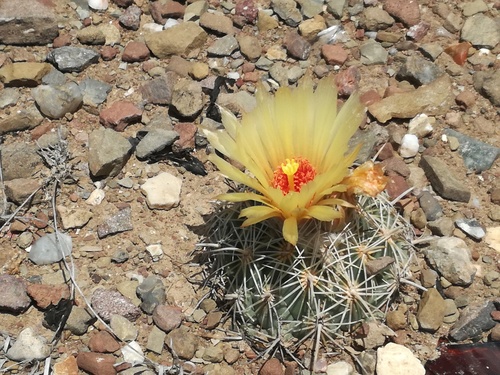
iNaturalist· cc-by-nc
(c) avocat, some rights reserved (CC BY-NC)
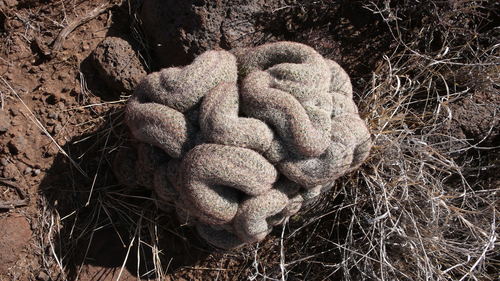
iNaturalist· cc-by-nc
(c) baphomatt, some rights reserved (CC BY-NC)
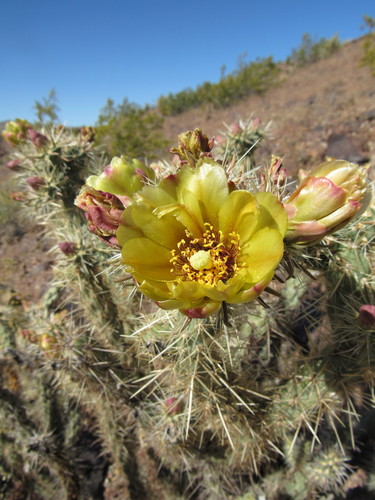
iNaturalist· cc-by-nc
(c) baphomatt, some rights reserved (CC BY-NC)
Description
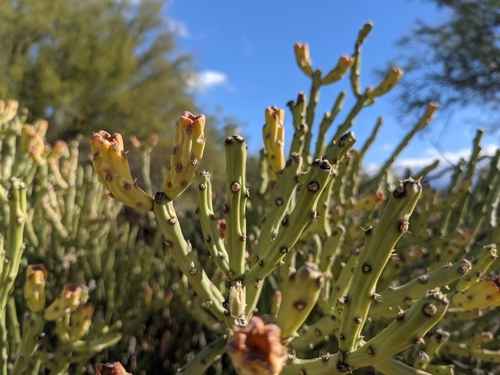
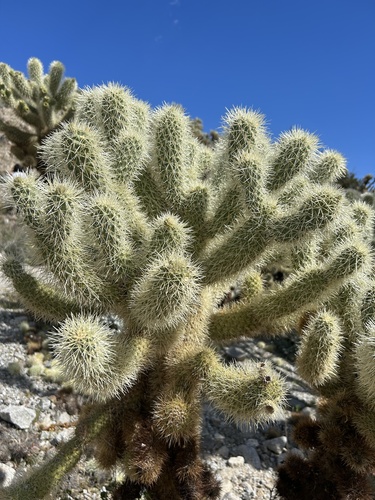
A cactus. It is a tree-like plant. It produces small side branches. It can grow 10 m high. The stems are cylinder shaped and 7 cm across. There are 20-30 ribs. There are 50-100 spines in groups. They can be 28-30 cm long. The flowers are borne on the side. They are white with a red tint. They are 10-14 cm long. The fruit are round and dark green. They are covered with dense hairs. They are 5 cm across. The fruit are edible.
Edible Uses
The fruit is eaten.
Distribution
It is a tropical plant.
Where It Grows
Argentina, Bolivia, Chile, South America,
Synonyms
Also Known As
Cardon, Cavul, Pasakana, Sardon grande
References (4)
- Anderson, E.F., 2001, The Cactus Family, Timber Press p 257
- Int. Organ. Succ. Pl. Stud. Bull. 3:94. 1974
- Kermath, B. M., et al, 2014, Food Plants in the Americas: A survey of the domesticated, cultivated and wild plants used for Human food in North, Central and South America and the Caribbean. On line draft. p 873 (As Trichocereus atacamensis)
- www.desert-tropicals.com