Plectocomia elongata
Mart. ex Blume
Giant rattan
iNaturalist· cc-by-nc-sa
(c) Otterman, some rights reserved (CC BY-NC-SA)
iNaturalist· cc-by-nc
(c) Gavin, some rights reserved (CC BY-NC)
iNaturalist· cc-by-nc
(c) Gavin, some rights reserved (CC BY-NC)
Summary
Source: WikipediaPlectocomia elongata is a species of plant in the family Arecaceae. It is native to Assam, India, Borneo, Cambodia, Java, Peninsular Malaysia, Myanmar, Philippines, Sumatra, Thailand, and Vietnam.
Description
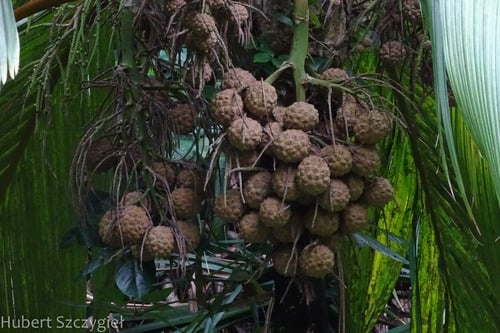
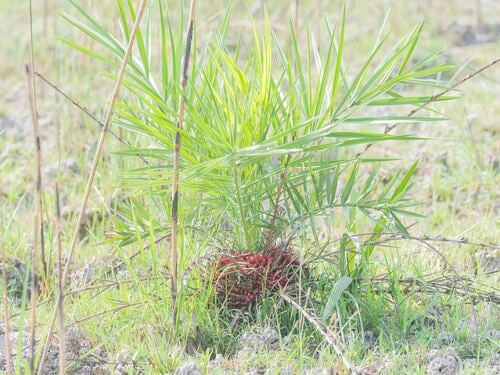
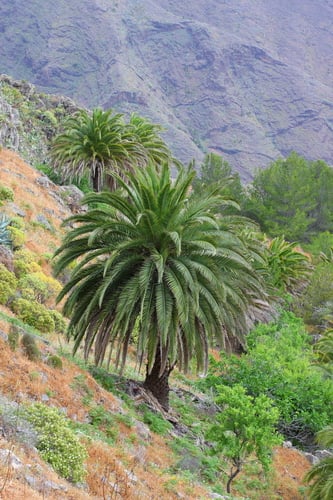
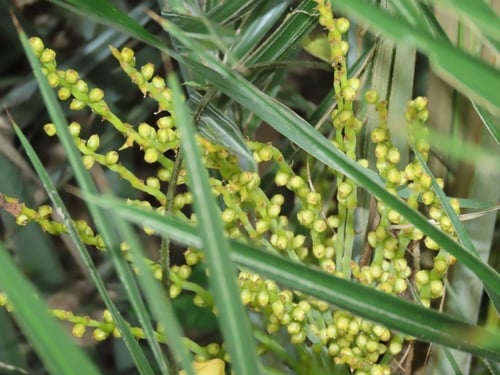
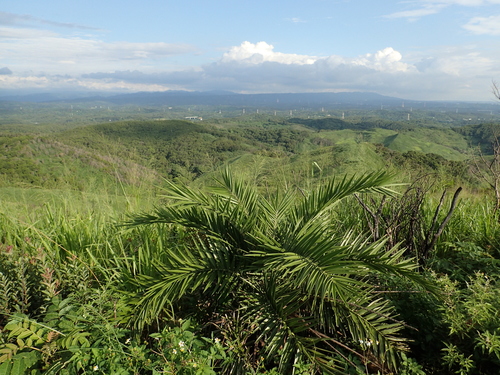
A palm or rattan. It is robust and forms tufts or clumps. It can grow 25-50 m long. It climbs high into tree. The stems are 4-7 cm across and do not have thorns but the leaf sheaths do. The plant dies after flowering. The leaves are large and the leaf sheaths have prickles. The leaves are divided into leaflets along the stalk. They end in a long whip like structure. The leaf sheath in large and rough and has rows of prickles across it. Male and female flowers are separate on the same plant. The fruit are oval, scaly and have one seed. The seed is 2-3 cm across.
Edible Uses
The growing tip or shoot is cooked and eaten, also known as palm heart or cabbage.
Traditional Uses
The growing tip or shoot is cooked and eaten.
This uses section is brief — help expand it
Distribution
A tropical plant. In Indonesia it grows to 1,500 m above sea level. It grows in lowland and mountain rainforest up to 2,000 m above sea level.
Where It Grows
Asia, Indonesia*, Malaysia, Philippines, SE Asia, Thailand,
Cultivation
Plants can be grown from seeds.
Other Uses
The canes are used for making chair legs, frames of tables and beds, strong baskets for use by miners and also in handicrafts. The canes are 30 - 50mm in diameter, they have poor durability and flexibility. The stems split too easily to be of much use.
Synonyms
Also Known As
Bubuay, Bubuwai, Pendjalin warak, Rotan besar, Rotan bubuay
References (5)
- Balick, M.J. and Beck, H.T., (Ed.), 1990, Useful palms of the World. A Synoptic Bibliography. Colombia p 457
- Ochse, J. J. et al, 1931, Vegetables of the Dutch East Indies. Asher reprint. p 572
- Priyadi, H., et al, 2010, Five hundred plant species in Gunung Halimun Salak National Park West Java. A checklist including Sundanese names, distribution and use. CIFOR, FFPRI, SLU p 19
- Sukarya, D. G., (Ed.) 2013, 3,500 Plant Species of the Botanic Gardens of Indonesia. LIPI p 808
- World Checklist of Useful Plant Species 2020. Royal Botanic Gardens, Kew