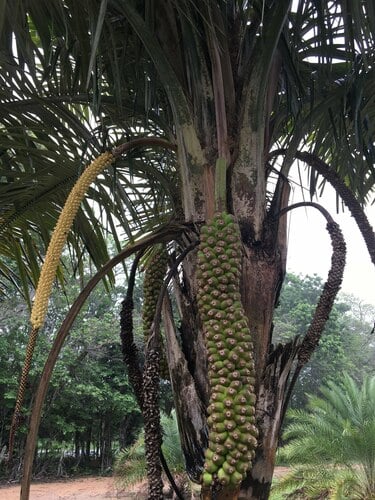
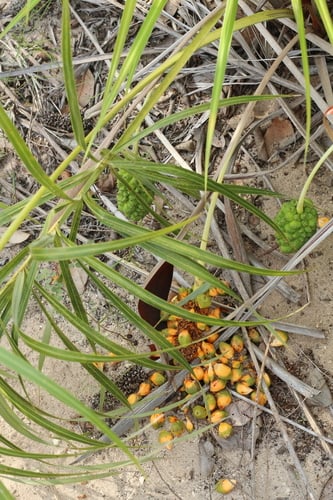
Attalea nucifera
H. Karst.
Mangue
iNaturalist· cc-by-nc
(c) sguataquira, some rights reserved (CC BY-NC), uploaded by sguataquira
iNaturalist· cc-by-nc
(c) Juan Francisco Cruz Mejía, some rights reserved (CC BY-NC)
Description
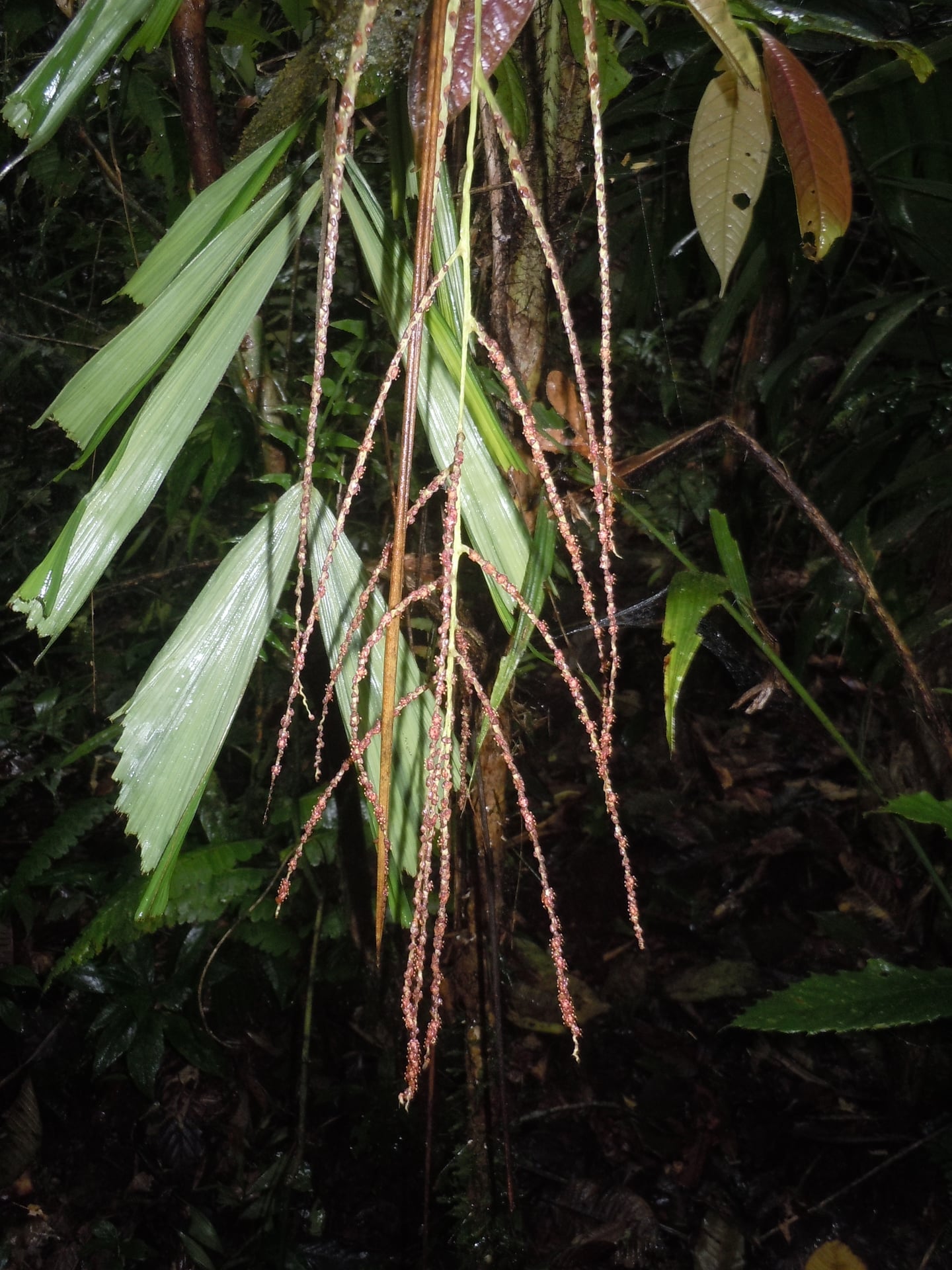
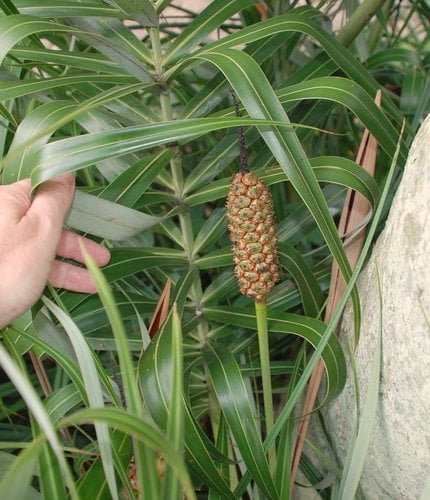
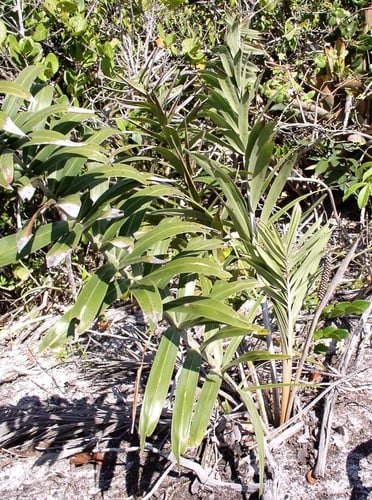
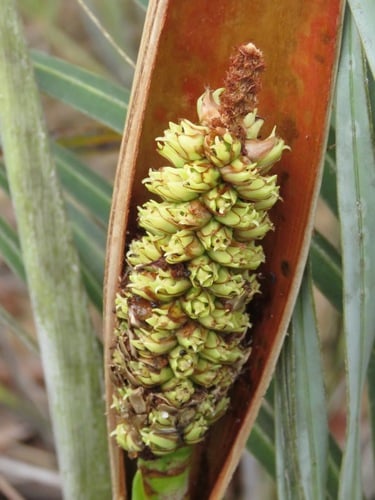
A palm. The stems are short and underground. There are 7-13 leaves. These are arranged regularly and in the same plane. The flowering stalk is borne amongst the leaves. The stalk is short. The male flowers have flattened petals and 6-7 stamens. The fruit have 2-3 seeds. They are narrowly oval and 6.5-7 cm long by 4-5 cm wide. They are brown.
Edible Uses
Attalea species have a long history of human use. Carbonised Attalea maripa seeds have been found in archaeological sites in Colombia dating back to 9000 BP. Several species remain important sources of edible oil, thatch, edible seeds, and fibre. The leaves of Attalea butyracea and A. maripa are used extensively for thatching. Several species are oil palms, with A. speciosa among the most important economically. Products extracted from A. speciosa were reported to support over 300,000 households in the Brazilian state of Maranhão in 2005, and in 1985 it was estimated to support over 450,000 households throughout the Brazil. Piassava fibres, extracted from the leaf bases of A. funifera, are commercially important, and generated about US$20 million in annual income to Brazilian farmers in 1996.
Traditional Uses
The seeds yield an edible oil.
This uses section is brief — help expand it
Distribution
A tropical plant. It grows in dry to wet areas in Colombia. It grows between 200-800 m altitude.
Where It Grows
Colombia, South America,
Notes
There are between (22) 30-71 Attalea species. Some authorities divide them among Attalea, Orbignya, Scheela and Maximiliana.
References (4)
- Balick, M.J. and Beck, H.T., (Ed.), 1990, Useful palms of the World. A Synoptic Bibliography. Colombia p 223, 561,
- Glassman, A Taxonomic Treatment of the Palm Subtribe Attaleinae (Tribe Cocoeae). p 29
- Henderson, A., Galeano, G and Bernal, R., 1995, Field Guide to the Palms of the Americas. Princeton. p 162
- Roa, J. A. G. & Boada, D. S. G., 2018, Fundación para el Fortalecimiento de la Fruticultura y Plantas Alimenticias no Convencionales en Colombia.