Bidens tripartita
L.
Agrimony, Bur Marigold, Water Agrimony
iNaturalist· cc-by-sa
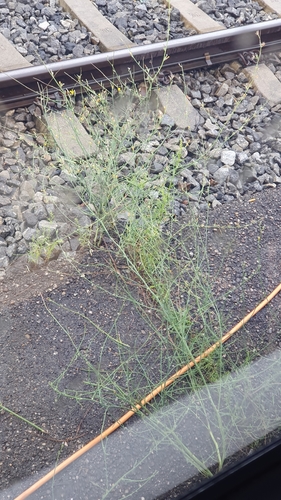
(c) Stefan.lefnaer, some rights reserved (CC BY-SA)
iNaturalist· cc-by-nc
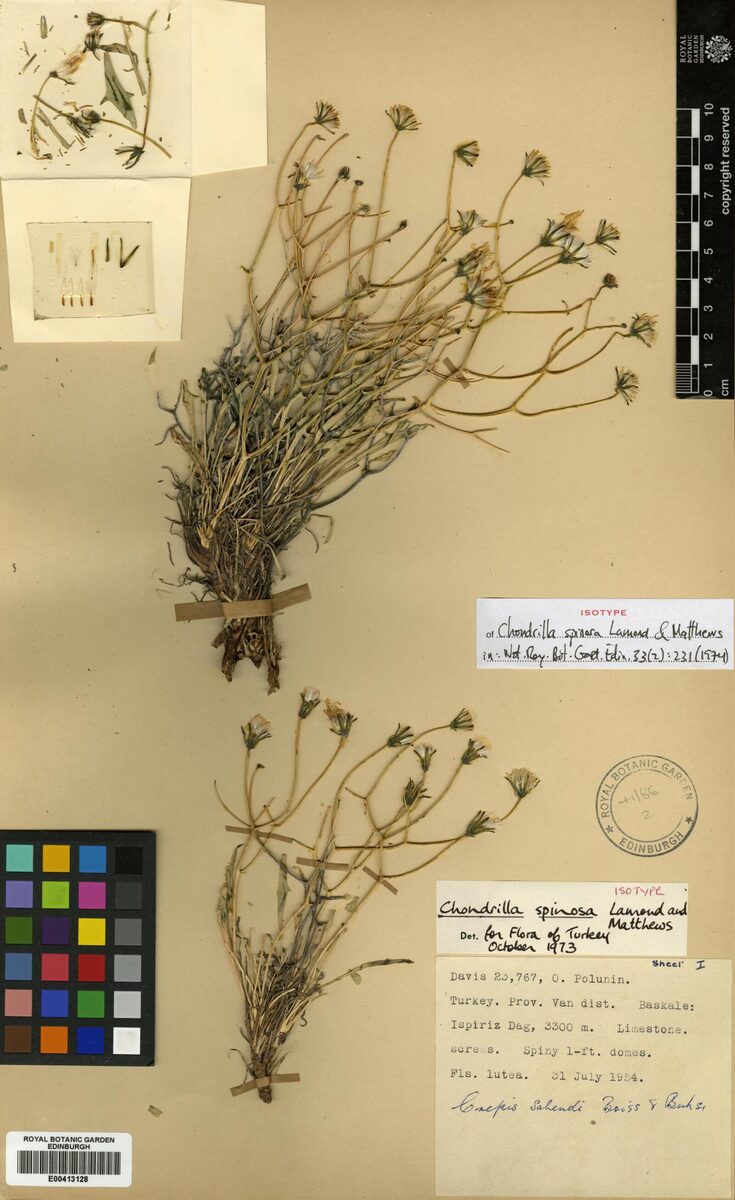
(c) beezer365, some rights reserved (CC BY-NC)
iNaturalist· cc-by-nc
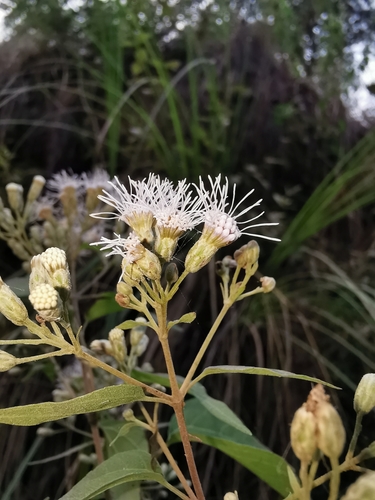
(c) abelkinser, some rights reserved (CC BY-NC)
Summary
Source: WikipediaBidens tripartita is a common and widespread species of flowering plant in the sunflower family, Asteraceae, commonly known as three-lobe beggarticks, three-part beggarticks, leafy-bracted beggarticks or trifid bur-marigold. It is native to much of Eurasia, North Africa, and North America, with naturalized populations in Australia and on some Pacific Islands.
Description
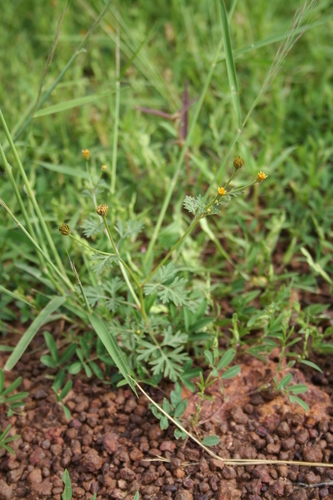
An annual herb. It grows 15-60 cm high and spreads 10-30 cm wide. The stems are purple and 4 angled. The leaves are sword shaped or divided and have teeth along the edge. They are 11 cm long. The flowers are yellow-brown and like buttons. They have leaf-like bracts around them.
Edible Uses
Edible Parts: Leaves Edible Uses: Young leaves - cooked.
Traditional Uses
The leaves are eaten either raw or cooked by boiling.
This uses section is brief — help expand it
Medicinal Uses
Antiseptic Aperient Astringent Diuretic Emmenagogue Febrifuge Narcotic Sedative Styptic Burr marigold is little used as a medicine nowadays, but it was once esteemed for its styptic properties being used to quickly staunch blood flow - it was often used to treat uterine haemorrhage and conditions producing blood in the urine. The whole plant is antiseptic, aperient, astringent, diuretic, emmenagogue, febrifuge, narcotic, sedative, styptic and sudorific. It is an excellent remedy for ruptured blood vessels and bleeding of any kind, and is of benefit to people with consumption. It is used internally to treat bladder and kidney problems, blood in the urine, uterine bleeding, ulcerative colitis and peptic ulcers. Externally, it is used in the treatment of alopecia. It is usually combined with a carminative herb such as ginger when used to treat digestive tract ailments. The plant is harvested as it comes into flower and is dried for later use.
Known Hazards
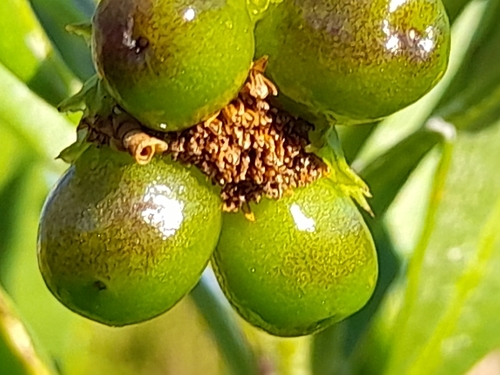
The seed coats have reflexed prickles which allow them to adhere to clothing, animal fur etc. When growing on the edge a pond, these seeds have been known to kill goldfish by adhering to their gills.
Distribution
A temperate plant. It grows near water. Plants are hardy to frost.
Where It Grows
Africa, Asia, Australia, Bhutan, Britain*, Canada, Caucasus, Central Asia, China, Europe, Georgia, Himalayas, India, Indonesia, Japan, Kazakhstan, Korea, Kyrgyzstan, Lithuania, Luxembourg, Malaysia, Mongolia, Nepal, North Africa, North America, Philippines, Russia, SE Asia, Slovenia, Tajikistan, USA, Uzbekistan,
Cultivation
Succeeds in any moderately fertile damp to wet soil in full sun. The flowering heads smell like rosin or cedar when they are burnt. The seed coats have reflexed prickles which allow them to adhere to clothing, animal fur etc. When growing on the edge a pond, these seeds have been known to kill goldfish by adhering to their gills.
Propagation
Seed - sow in situ during early spring and only just cover the seed. So long as the soil does not dry out, the seed usually germinates in 2 - 3 weeks at 15°c.
Other Uses
Dye Repellent Yields a black dye. The part of the plant that is used is not specified. The burning herb repels insects and flies. The flowers yield a yellow dye of indifferent quality when alum is used as a mordant. Special Uses Scented Plants
Notes
There are about 200 Bidens species. Most are in North America. It is used in medicine.
Also Known As
Nikampusi, Orkbila, Tridelni mrkač
References (14)
- Ambasta S.P. (Ed.), 2000, The Useful Plants of India. CSIR India. p 73
- Bodkin, F., 1991, Encyclopedia Botanica. Cornstalk publishing, p 146
- Brown, D., 2002, The Royal Horticultural Society encyclopedia of Herbs and their uses. DK Books. p 144
- Bussman, R. W., et al, 2016, A comparative ethnobotany of Khevsureti, Samtskhe-Javakheti, Tusheti, Svaneti, and Racha-Lechkhumi, Republic of Georgia (Sakartvelo), Caucasus. Journal of Ethnobiology and Ethnomedicine (2016) 12:4
- Bussman, R. W. et al, 2017, Ethnobotany of Samtskhe-Javakheti, Sakartvelo (Republic of Georgia), Caucasus. Indian Journal of Traditional Knowledge Vol. 16(1) pp 7-24
Show all 14 references Hide references
- Bussman, R. W., et al, 2021, Unity in diversity—food plants and fungi of Sakartvelo (Republic of Georgia), Caucasus. Journal of Ethnobiology and Ethnomedicine (2021) 17:72 p 6
- Hwang, HS, et al, 2014, Distribution characteristics of plant in the Ungseokbong Mountain, Gyeongsangnam-do, Korea. Journal of Asia-Pacific Biodiversity. 7(2014) e164-e178
- Kermath, B. M., et al, 2014, Food Plants in the Americas: A survey of the domesticated, cultivated and wild plants used for Human food in North, Central and South America and the Caribbean. On line draft. p 133
- Lazarides, M. & Hince, B., 1993, Handbook of Economic Plants of Australia, CSIRO. p 33
- Low, T., 1991, Wild Herbs of Australia and New Zealand. Angus & Robertson. p 72, 128 (Drawing)
- Plants for a Future database, The Field, Penpol, Lostwithiel, Cornwall, PL22 0NG, UK. http://www.scs.leeds.ac.uk/pfaf/
- Sp. pl. 2:831. 1753
- Srivastava, R. C., 2010, Traditional knowledge of Nyishi (Daffla) tribe of Arunachal Pradesh. Indian Journal of Traditional Knowledge. 9(1):26-37
- Urgamal, M., Oyuntsetseg, B., Nyambayar, D. & Dulamsuren, Ch. 2014. Conspectus of the vascular plants of Mongolia. (Editors: Sanchir, Ch. & Jamsran, Ts.). Ulaanbaatar, Mongolia. “Admon“ Press. 334pp. (p. 199-230).