Cylindropuntia acanthocarpa
(Engel. & Big.) F.M. Knuth
Buckthorn cholla, Colorado desert cholla
iNaturalist· cc-by-nc
(c) Rob Klotz, some rights reserved (CC BY-NC), uploaded by Rob Klotz
iNaturalist· cc0
no rights reserved, uploaded by Rod
iNaturalist· cc-by-nc
(c) Griff, some rights reserved (CC BY-NC), uploaded by Griff
Summary
Source: WikipediaCylindropuntia acanthocarpa, commonly referred to as buckhorn cholla, is a cholla native to the Mojave, Sonoran, and Colorado Deserts of North America. Along with Cylindropuntia bigelovii (the "teddy bear" cholla), it is the most common cholla found in these deserts.
Description
A cactus. A shrubby or tree-like plant. It can have few or many branches. They are 1-4 m long. The stem segments are firmly attached. They are cylinder shaped and 10-50 cm long by 2-3 cm across. The buds are round and have white wool. The small barbed spines are yellow or brown. There are 6-20 spines. The flowers can be red or yellow. They are 2-3 cm long. The fruit are dry and light brown.
Edible Uses
The flower buds are eaten after roasting. The fruit are gathered and eaten fresh or dried and stored for later use.
Traditional Uses
The flower buds are eaten after roasting. The fruit are gathered and eaten fresh or dried and stored.
This uses section is brief — help expand it
Distribution
It is a temperate plant.
Where It Grows
Mexico, North America, USA,
Synonyms
Also Known As
Major cholla, Thornber cholla
References (2)
- Anderson, E.F., 2001, The Cactus Family, Timber Press. p 58, 204
- Moerman, D. F., 2010, Native American Ethnobotany. Timber Press. p 365
More from Cactaceae
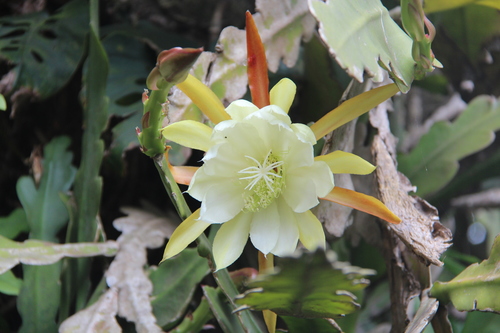
Epiphyllum crenatum
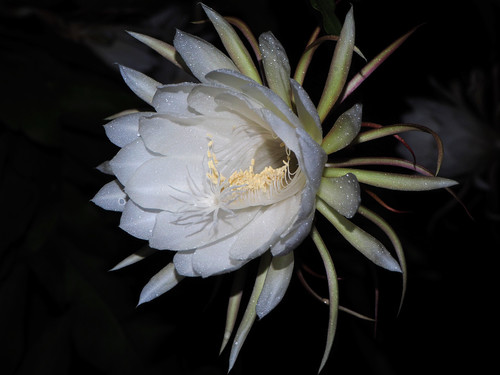
Epiphyllum oxypetalum
Dutchman's pipe cactus, Queen of the night
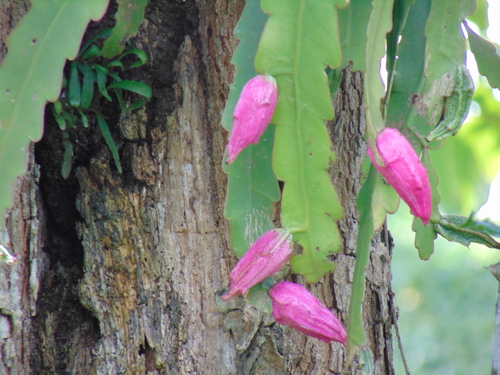
Epiphyllum phyllanthus
Alligator tail
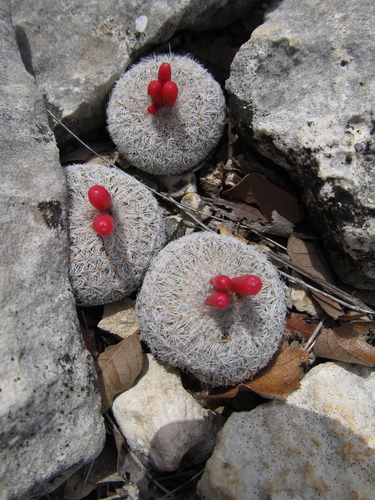
Epithelantha micromeris
Common button cactus
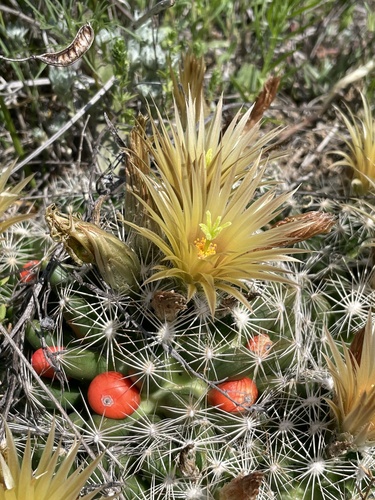
Escobaria missouriensis var. missiouriensis
Missouri foxtail cactus
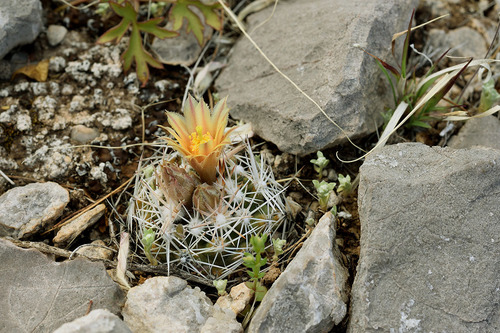
Escobaria robbinsorum
Cochise pincushion cactus, Cochise foxtail cactus