Disocactus biformis
(Lindl.) Lindl.
iNaturalist· cc-by
(c) Neptalí Ramírez Marcial, some rights reserved (CC BY), uploaded by Neptalí Ramírez Marcial
wikimedia· cc0
Wikimedia Commons - Toni Gürke
wikimedia· cc0
Wikimedia Commons - Nathaniel Lord Britton, Joseph Nelson Rose
Description
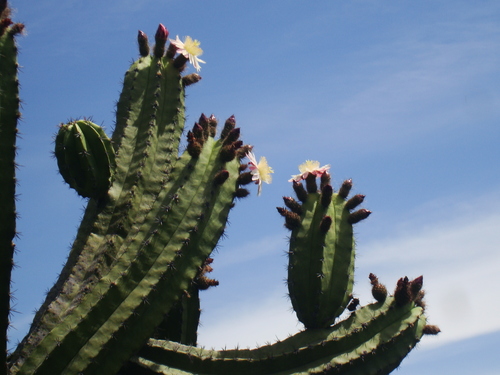
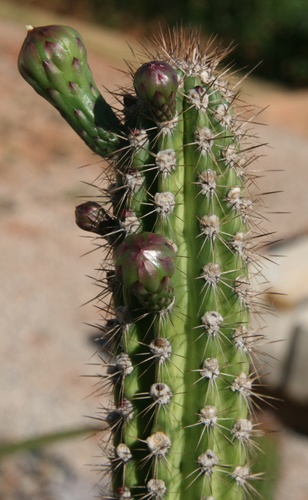
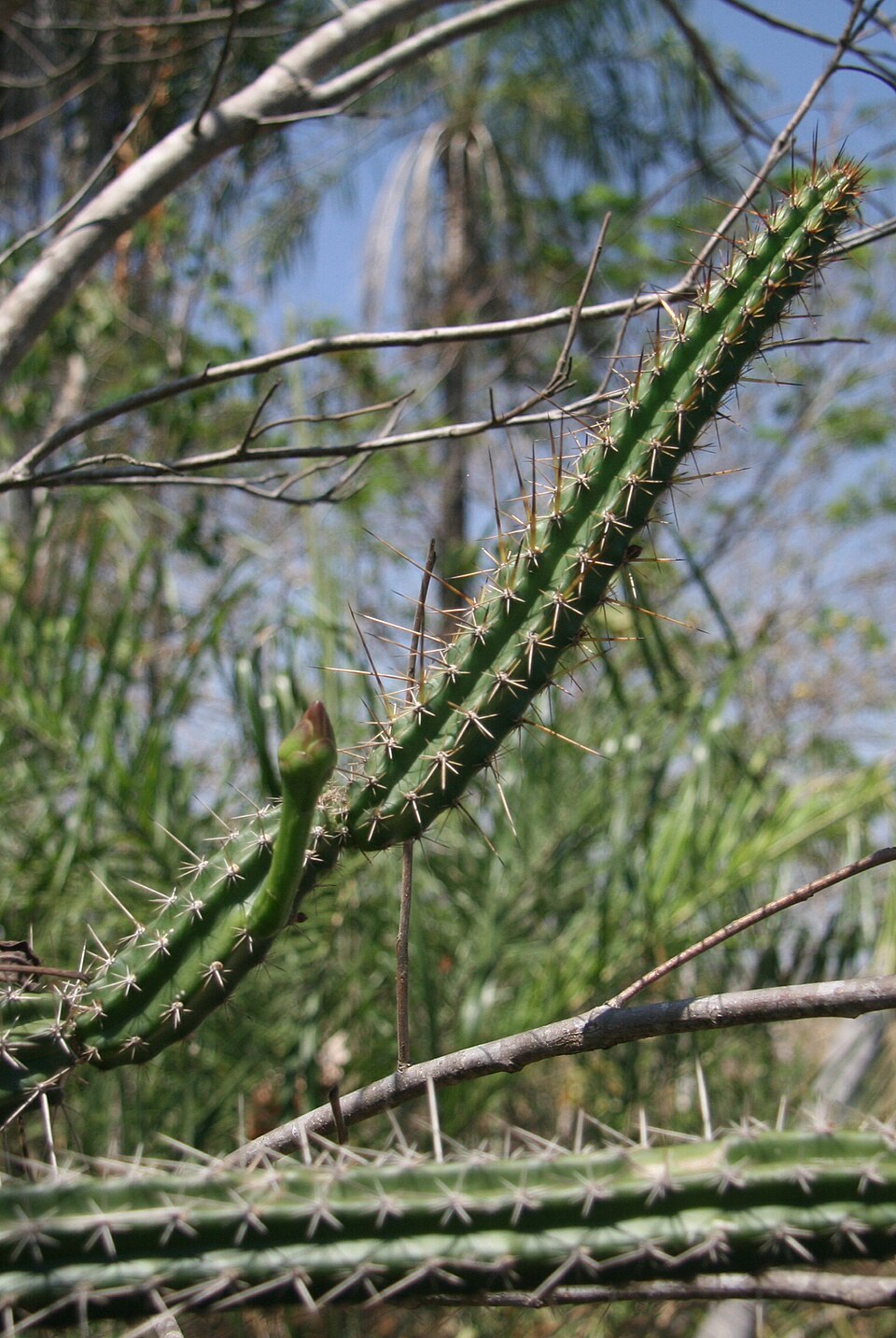
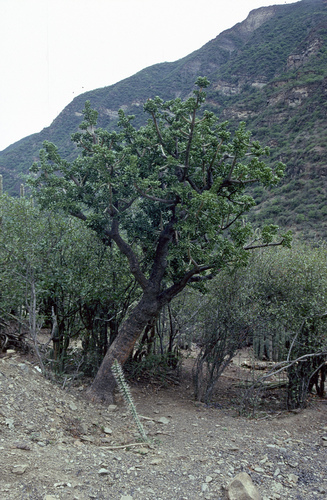
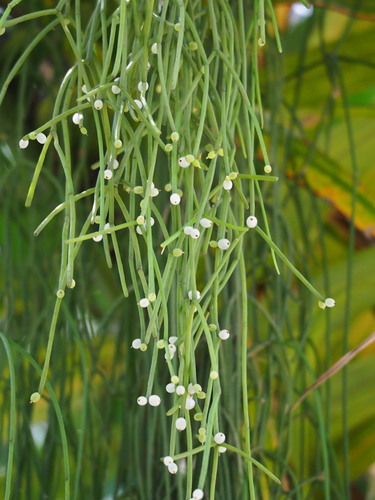
A cactus. Plants branch freely. The stem in long and cylindrical. The stems are flat and leaflike. They are 20 cm long by 1-2 cm wide. There are teeth along the edge. The flowers occur singly and along the side. They are funnel shaped and curve upwards. They are red and 5-6 cm long. The fruit are bright red colour. They are flask shaped. There are many seeds in a soft pulp. The pulp is purple.
Edible Uses
The bright red fruits are eaten, containing soft purple pulp with edible seeds.
Distribution
A tropical plant.
Where It Grows
Central America, Guatemala, Honduras,
Cultivation
The species is a strict epiphyte. It requires a high humidity, a position that is shaded during the hottest part of the day and a pH lower than 6.
Propagation
Seed - Cuttings
Notes
There are 19 Epiphyllum species.
Synonyms
Also Known As
Paxte de palo
References (4)
- Anderson, E.F., 2001, The Cactus Family, Timber Press p 223
- Hedrick, U.P., 1919, (Ed.), Sturtevant's edible plants of the world. p 490 (As Ephiphyllum biformis)
- Kermath, B. M., et al, 2014, Food Plants in the Americas: A survey of the domesticated, cultivated and wild plants used for Human food in North, Central and South America and the Caribbean. On line draft. p 317
- Martin, F. W., et al, 1987, Perennial Edible Fruits of the Tropics. USDA Handbook 642 p 89