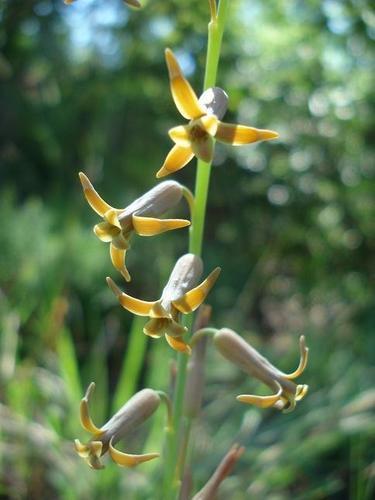
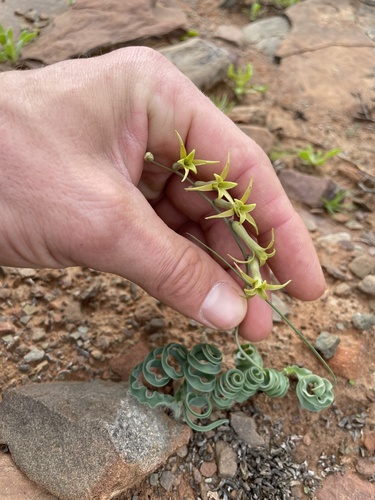
Furcraea acaulis
(Kunth) B. Ullrich
Maguey
gbif· cc-by
Royal Botanic Gardens, Kew
gbif· cc-by
Royal Botanic Gardens, Kew
gbif· cc-by
Royal Botanic Gardens, Kew
Summary
Source: WikipediaFurcraea acaulis is a medium-growth evergreen perennial reaching 1.5 m tall and wide. Hardy to UK zone 10, it adapts to light sandy, medium loamy, and heavy clay soils that are well-drained and nutritionally poor, across mildly acid to basic pH ranges. The plant tolerates semi-shade and no shade, handling both dry and moist soils including drought conditions, while tolerating strong winds but not maritime exposure.
Description
Furcraea acaulis is a medium-growth evergreen perennial reaching 1.5 m tall and wide. Hardy to UK zone 10, it adapts to light sandy, medium loamy, and heavy clay soils that are well-drained and nutritionally poor, across mildly acid to basic pH ranges. The plant tolerates semi-shade and no shade, handling both dry and moist soils including drought conditions, while tolerating strong winds but not maritime exposure.
Edible Uses
No edible uses are known.
Traditional Uses
The sweet juice is fermented to make an alcoholic drink. Caution: Alcohol is a cause of cancer. The young leaves are eaten.
This uses section is brief — help expand it
Medicinal Uses
No medicinal uses are known.
Distribution
A tropical plant. It grows in seasonally dry areas.
Where It Grows
South America, Venezuela,
Propagation
Seeds, bulblets, or cuttings.
Other Uses
The plant yields good leaf lamina fibres that must be separated from the rest of the plant. These fibres are not suitable for fine textiles but are used for rope, nets, bags, and rugs. The plant is also used as a living fence in agroforestry systems.
Notes
There are about 40-50 Yucca species. They are native to Central and North America. Also put in the family Agavaceae.
Synonyms
References (1)
- Hedrick, U.P., 1919, (Ed.), Sturtevant's edible plants of the world. p 690 (As Yucca acaulis)