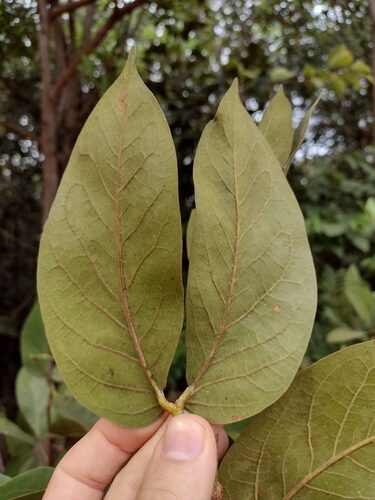
Acacia tumida
F.Muell. ex Benth.
Sickle-leaf wattle, Pindan wattle
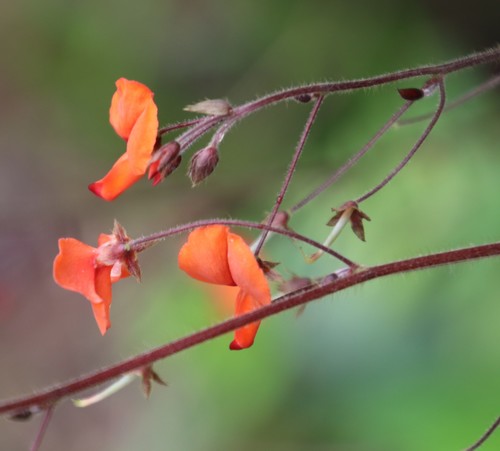
iNaturalist· cc-by-nc
(c) overlander (Gerald Krygsman), some rights reserved (CC BY-NC), uploaded by overlander (Gerald Krygsman)
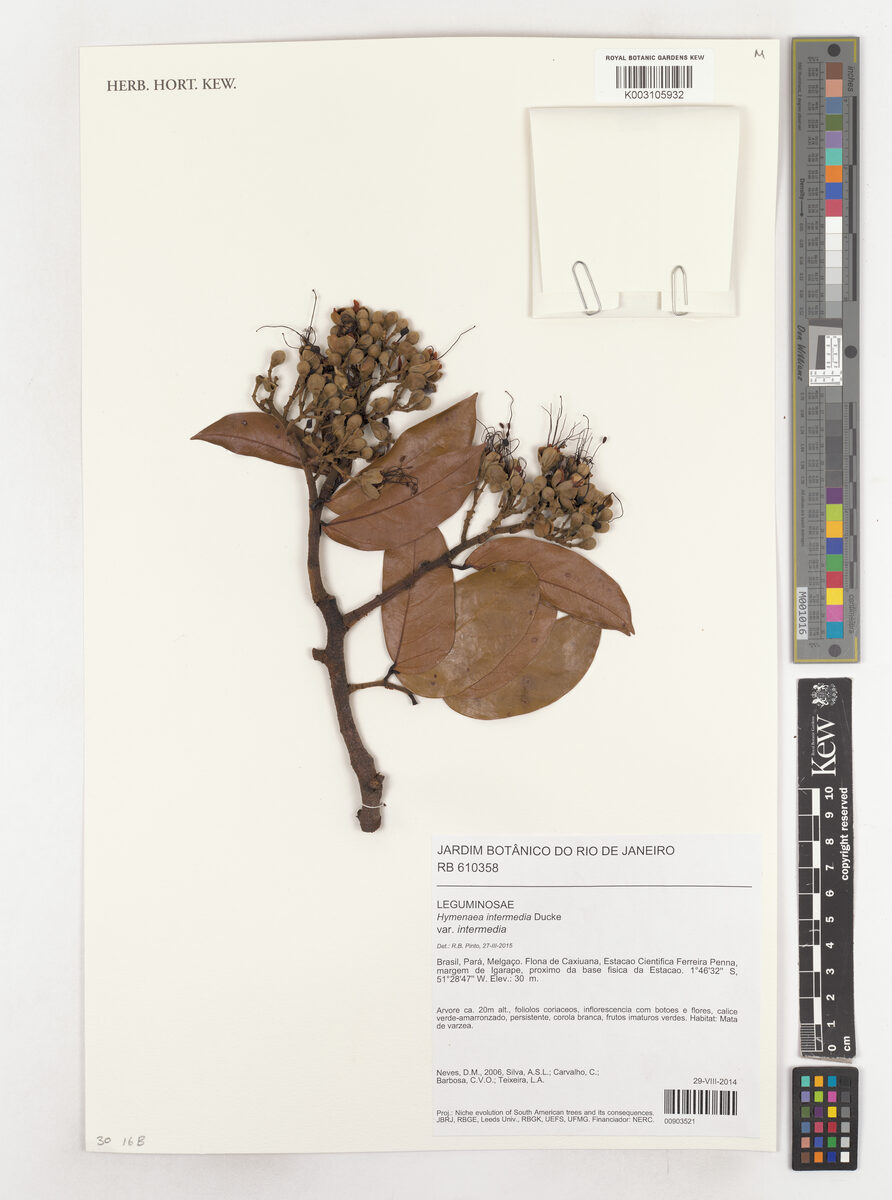
iNaturalist· cc-by-nc
(c) overlander (Gerald Krygsman), some rights reserved (CC BY-NC), uploaded by overlander (Gerald Krygsman)
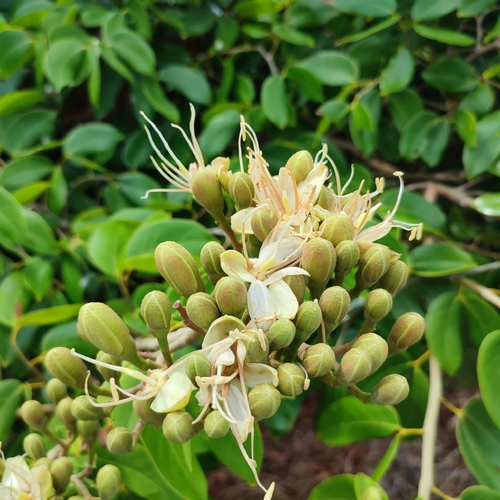
iNaturalist· cc-by-nc
(c) Ian McMaster, some rights reserved (CC BY-NC), uploaded by Ian McMaster
Summary
Source: WikipediaAcacia tumida, known colloquially as pindan wattle, spear wattle or wongai, is a species of Acacia native to northern and western Australia.
Description
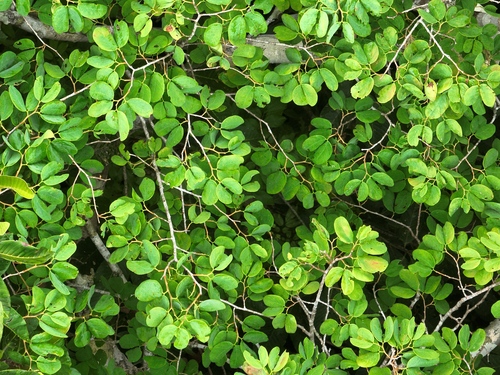
A shrub or small tree. It grows 5 m tall. There are prickles along the stem. The leaves are twice divided and there are 8-18 pairs of pinnae. There are up to 50 pairs of pinnules on each pinnae. The flowers are yellow. They are in large clusters at the ends of branches. The pods are flattened.
Edible Uses
Indigenous Australians used the trunk of young trees to fashion spears and boomerangs. The green seed pods were cooked over coals and the seeds then eaten. Fully ripened black seeds were ground into flour mixed with water and consumed as a paste or cooked and eaten as a damper. Other traditional uses include making string from the bark and using the gum exudate as a food source. It is cultivated in Senegal and Niger, where it is used as good quality firewood and to create low windbreaks. It is also used with slower growing plants for binding soil.
Traditional Uses
The young pods are steamed and the seeds eaten. (The seeds cause flatulence and bad breath.) The seeds especially the mature seeds may contain some poisonous substance. Their use as food is disputed in some areas. In some areas the mature seeds are pounded into flour mixed with water and eaten as a paste. The gum is eaten.
Medicinal Uses
The bark of all Acacia species contains greater or lesser quantities of tannins and are astringent. Astringents are often used medicinally - taken internally, for example. they are used in the treatment of diarrhoea and dysentery, and can also be helpful in cases of internal bleeding. Applied externally, often as a wash, they are used to treat wounds and other skin problems, haemorrhoids, perspiring feet, some eye problems, as a mouth wash etc. Many Acacia trees also yield greater or lesser quantities of a gum from the trunk and stems. This is sometimes taken internally in the treatment of diarrhoea and haemorrhoids.
Known Hazards
The seeds have been tested for toxicity and human trials have indicated that, at levels of up to 25% of the total diet, no anti-nutritional factors have been observed. The seed of many Acacia species, including this one, is edible and highly nutritious, and can be eaten safely as a fairly major part of the diet. Not all species are edible, however, and some can contain moderate levels of toxins. Especially when harvesting from the wild, especial care should be taken to ensure correct identification of any plants harvested for food. Especially in times of drought, many Acacia species can concentrate high levels of the toxin Hydrogen cyanide in their foliage, making them dangerous for herbivores to eat.
Distribution
It occurs in northern Australia. It is often along stream banks. It needs a sunny position. The soil needs to be well drained. It benefits by watering in dry periods. It is grown in the Sahel in Africa. It can grow in arid places.
Where It Grows
Australia*, East Africa, Kenya, Sahel,
Cultivation
It is grown from seed. It can be cultivated by root suckers.
Propagation
The seed of most, if not all, members of this genus has a hard seedcoat and may benefit from scarification before sowing to speed up germination. This can usually be done by pouring a small amount of nearly boiling water on the seeds (being careful not to cook them!) and then soaking them for 12 - 24 hours in warm water. By this time they should have imbibed moisture and swollen - if they have not, then carefully make a nick in the seedcoat (being careful not to damage the embryo) and soak for a further 12 hours before sowing. Acacia seeds that have matured fully on the bush and have been properly dried have a hard seed coat and can be stored in closed containers without deterioration for 5 - 10 years or more in dry conditions at ambient temperatures. It is best to remove the aril, which attracts weevils and can lead to moulds forming. The arils are easilyremoved by placing the seeds in water and rubbing them between the hands, then drying the seeds and winnowing them.
Other Uses
The bark can be used to make a string. The wood can be used for light construction. The wood makes a good fuel. Acacia tumida has a shallow, wide-spreading root system that competes heavily with nearby crops and can reduce their yields. The tree can be used for sand dune fixation, erosion control, low windbreaks and as an ornamental
Production
It is a fast growing plant. Flowering occurs in Australia from April to August and fruiting from September to October.
Notes
There are about 1,350 Acacia species. Over 1,000 occur in Australia. Also as Mimosaceae.
Also Known As
Pindon wattle, Spear wattle, Walgali, Wongai, Wongayi
References (18)
- Bindon, P., 1996, Useful Bush Plants. Western Australian Museum. p 30
- Cancilla, D., 2018, Ethnobotanical and Ethnozoological Values Desktop Assessment - Eliwana Project. p 40
- Cherikoff V. & Isaacs, J., The Bush Food Handbook. How to gather, grow, process and cook Australian Wild Foods. Ti Tree Press, Australia p 42, 188
- Crawford, I. M., 1982, Traditional Aboriginal Plant Resources in the Kalumburu Area: Aspects in Ethno-economics. Records of the Western Australian Museum Supplement No. 15
- Doran, J.C., & Turnbull, J.W. (Eds), 1997, Australian Trees and Shrubs: species for land rehabilitation and farm plantings in the tropics. ACIAR Monograph No 24. p 234
Show all 18 references Hide references
- Elliot, W.R., & Jones, D.L., 1982, Encyclopedia of Australian Plants suitable for cultivation. Vol 2. Lothian. p 125
- Fl. austral. 2:409. 1864
- Flora of Australia Volume 11A, Mimosaceae, Acacia part 1. Melbourne: ABRS/CSIRO, 2001, p 32
- Hardwick, G., 2001, Economically Useful Plants for Northern Australia: Master Species List. Crusader eBooks.
- ILDIS Legumes of the World http:www;ildis.org/Legume/Web
- Kenneally, K.E., Edinger, D. C., and Willing T., 1996, Broome and Beyond, Plants and People of the Dampier Peninsula, Kimberley, Western Australia. Department of Conservation and Land Management. p 134
- Lazarides, M. & Hince, B., 1993, Handbook of Economic Plants of Australia, CSIRO. p 7
- Paczkowska, G . & Chapman, A.R., 2000, The Western Australian Flora. A Descriptive Catalogue. Western Australian Herbarium. p 327
- Pennock, A., et al, Australian Dry-zone Acacias for Human Food: Proceedings of a Workshop.
- Petheram, R.J. and Kok, B., 2003, Plants of the Kimberley Region of Western Australia. UWA Press p 369
- Smith, M & Kalotas, A. C., 1985, Bardi Plants: An Annotated List of Plants and Their Use by the Bardi Aborigines of Dampierland, in North-western Australia. Rec. West Aust. Mus. 1985, 12(3): 317-359
- Vigilante, T., et al, 2013, Island country: Aboriginal connections, values and knowledge of the Western Kimberley islands in the context of an island biological survey. Records of the Western Australian Museum Supplement 81: 145-182
- Wheeler, J.R.(ed.), 1992, Flora of the Kimberley Region. CALM, Western Australian Herbarium, p 330