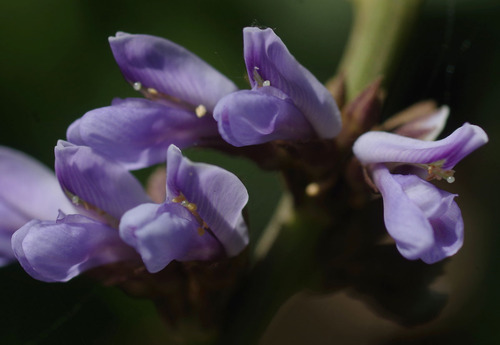
Rhynchosia goetzei
Harms
gbif· cc-by
Royal Botanic Gardens, Kew
gbif· cc-by
Royal Botanic Gardens, Kew
gbif· cc-by
Royal Botanic Gardens, Kew
Description
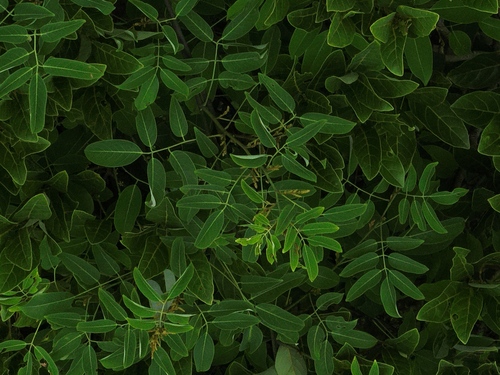
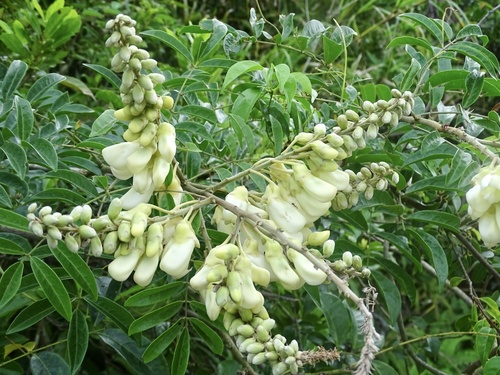
A scrambling bean family herb. The stems are much branched and somewhat woody. It can climb 60-200 cm tall. The leaves have 3 leaflets. They are more pale underneath.
Edible Uses
The leaves are cooked and eaten as a vegetable. The seeds are also edible.
Traditional Uses
The leaves are cooked and eaten as a vegetable.
This uses section is brief — help expand it
Distribution
It is a tropical plant. It grows in Miombo woodland. It grows between 60 to 1,500 m above sea level.
Where It Grows
Africa, Congo DR, East Africa, Mozambique, Tanzania, Uganda, Zambia, Zimbabwe,
Cultivation
This species has a symbiotic relationship with certain soil bacteria; these bacteria form nodules on the roots and fix atmospheric nitrogen. Some of this nitrogen is utilized by the growing plant but some can also be used by other plants growing nearby.
Propagation
Like many species within the family Fabaceae, once they have ripened and dried the seeds of this species may benefit from scarification before sowing in order to speed up and improve germination. This can usually be done by pouring a small amount of nearly boiling water on the seeds (being careful not to cook them!) and then soaking them for 12 - 24 hours in warm water. By this time they should have imbibed moisture and swollen - if they have not, then carefully make a nick in the seedcoat (being careful not to damage the embryo) and soak for a further 12 hours before sowing.
Other Uses
We have seen no specific entry for this species, but all members of this genus have at least some merit for use as a ground cover and in local soil conservation projects.
References (2)
- Ferns, Useful Tropical Plants
- Ojelel, S., et al, 2019, Wild edible plants used by communities in and around selected forest reserves of Teso-Karamoja region, Uganda. Journal of Ethnobiology and Ethnomedicine (2019) 15:3