Veronica officinalis
Linn.
Speedwell, Gypsy weed
iNaturalist· cc-by-nc
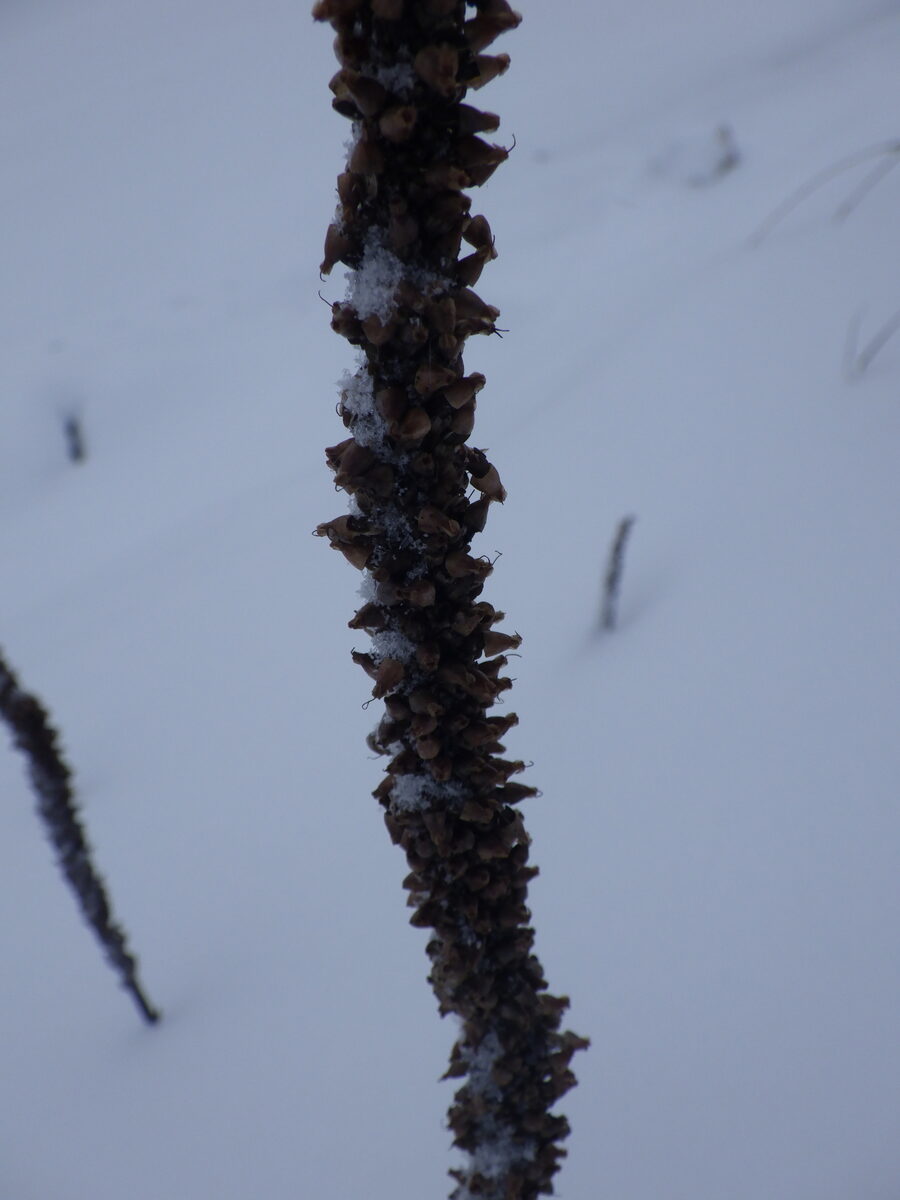
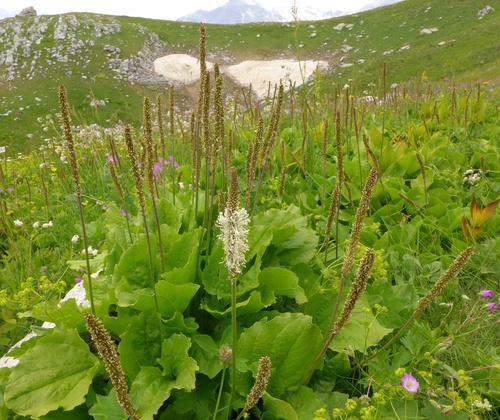
(c) Jakob Fahr, some rights reserved (CC BY-NC), uploaded by Jakob Fahr
iNaturalist· cc-by-nc
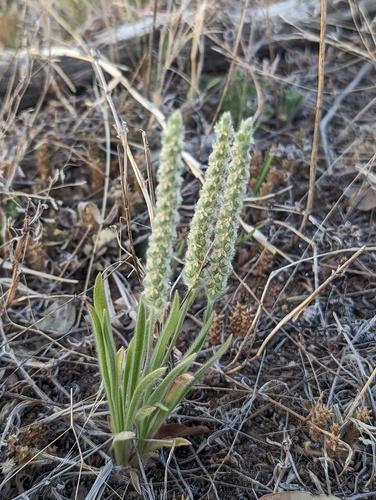
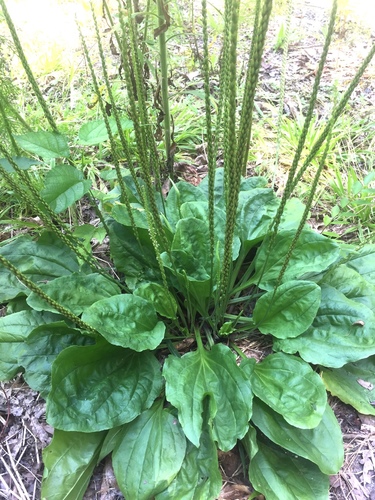
(c) Ahmet Güngör, some rights reserved (CC BY-NC)
iNaturalist· cc-by-nc
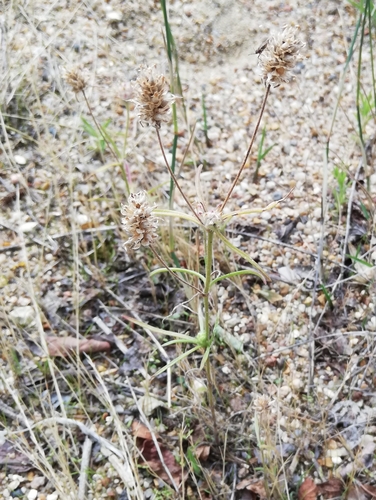
(c) Ahmet Güngör, some rights reserved (CC BY-NC)
Summary
Source: WikipediaVeronica officinalis, the heath speedwell, common gypsyweed, common speedwell, or Paul's betony, is a species of flowering plant in the plantain family Plantaginaceae. It is native to Europe and western Asia. It has been introduced to North America and is widely naturalised there.
Description
A small herb. It grows 20-50 cm high and spreads 30-50 cm wide. It can be spreading or upright. The stems are downy or hairy. The leaves are also hairy. The leaves have teeth and are broadly oval. They are 12-50 mm long. The flower heads are 5 cm long with 6 mm long lilac flowers.
Edible Uses
A bitter, tangy tea can be brewed from the fresh flowering herb or from dried leaves. Dried leaves can also be blended with other teas.
Traditional Uses
The fresh flowering plant or the dried leaves are used for tea. They can also be used as a salad vegetable or potherb.
This uses section is brief — help expand it
Medicinal Uses
The leaves and roots are alterative, astringent, mildly diuretic, mildly expectorant, stomachic, and tonic. They have been used to treat pectoral and nephritic complaints, haemorrhages, skin diseases, and wounds, though the plant is now considered obsolete in modern herbalism. Leaves are harvested in summer and dried for later use.
Distribution
It is a temperate plant. It grows in north temperate regions. It will grow in most soils. It does best in an open, sunny position. It is frost resistant but sensitive to drought. It suits hardiness zones 3-9.
Where It Grows
Australia, Balkans, Canada, Europe*, Falklands, Lithuania, Luxembourg, Macedonia, Mediterranean, North America, Slovenia, St Helena, Switzerland, Tasmania,
Cultivation
Easily grown in a moderately fertile moisture retentive well drained soil. Prefers cool summers. Thrives in light shade or in open sunny positions. An evergreen.
Propagation
Sow seed in autumn in a cold frame, or directly in situ in autumn or spring if seed is plentiful. Prick seedlings into individual pots once large enough and plant out in summer. Divide in autumn or spring — larger divisions can go directly into permanent positions, while smaller ones do best potted up and grown on in light shade until established, then planted out in summer or the following spring.
Other Uses
None known.
Notes
Also put in the family Scrophulariaceae.
Also Known As
Fluellen, Zdravilni jetičnik
References (11)
- Abbet, C., et al, 2014, Ethnobotanical survey on wild alpine food plants in Lower and Central Valais (Switzerland). Journal of Ethnopharmacology 151 (2014) 624–634
- Cundall, P., (ed.), 2004, Gardening Australia: flora: the gardener's bible. ABC Books. p 1462
- Facciola, S., 1998, Cornucopia 2: a Source Book of Edible Plants. Kampong Publications, p 230
- Hedrick, U.P., 1919, (Ed.), Sturtevant's edible plants of the world. p 672
- Hibbert, M., 2002, The Aussie Plant Finder 2002, Florilegium. p 305
Show all 11 references Hide references
- http://www.botanic-gardens-ljubljana.com/en/plants
- Jackes, D. A., 2007, Edible Forest Gardens
- MacKinnon, A., et al, 2009, Edible & Medicinal Plants of Canada. Lone Pine. p 246
- Sp. pl. 1:11. 1753
- Upson, R., & Lewis R., 2014, Updated Vascular Plant Checklist and Atlas for the Falkland Islands. Falklands Conservation and Kew.
- World Checklist of Useful Plant Species 2020. Royal Botanic Gardens, Kew