Sapindus attenuatus
Wall.
Sapindaceae Edible: Fruit
gbif· cc-by-nc-sa
University of South Florida Herbarium (USF)
gbif· cc0
Conveyor Belt
gbif· cc0
Conveyor Belt
Description
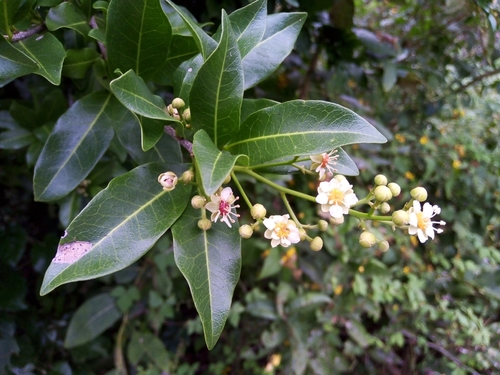
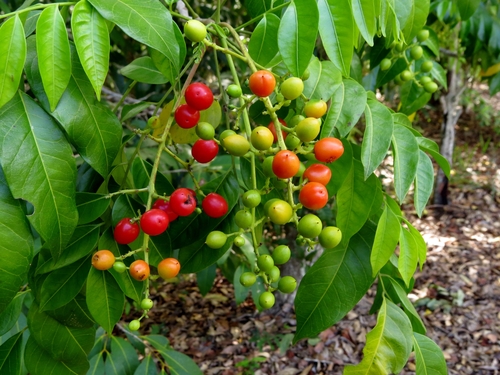
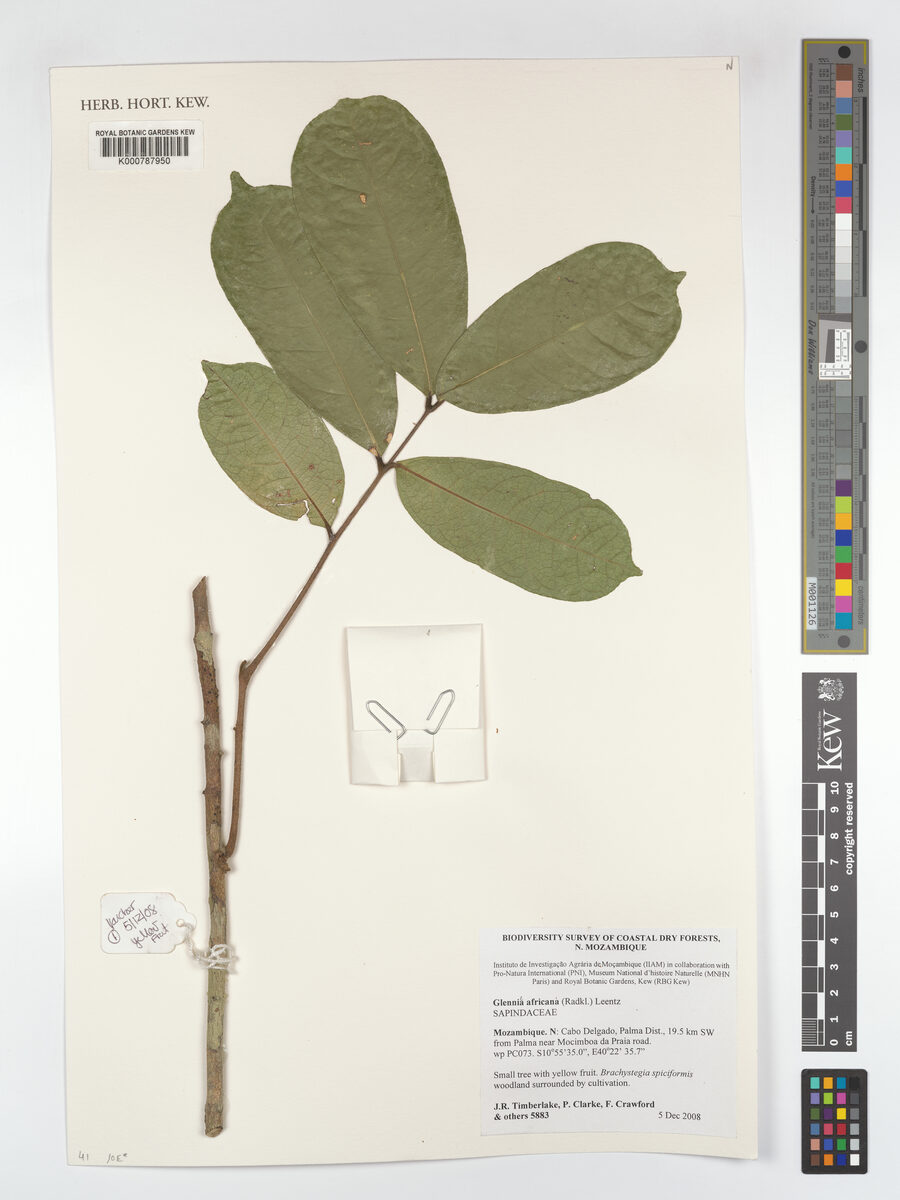
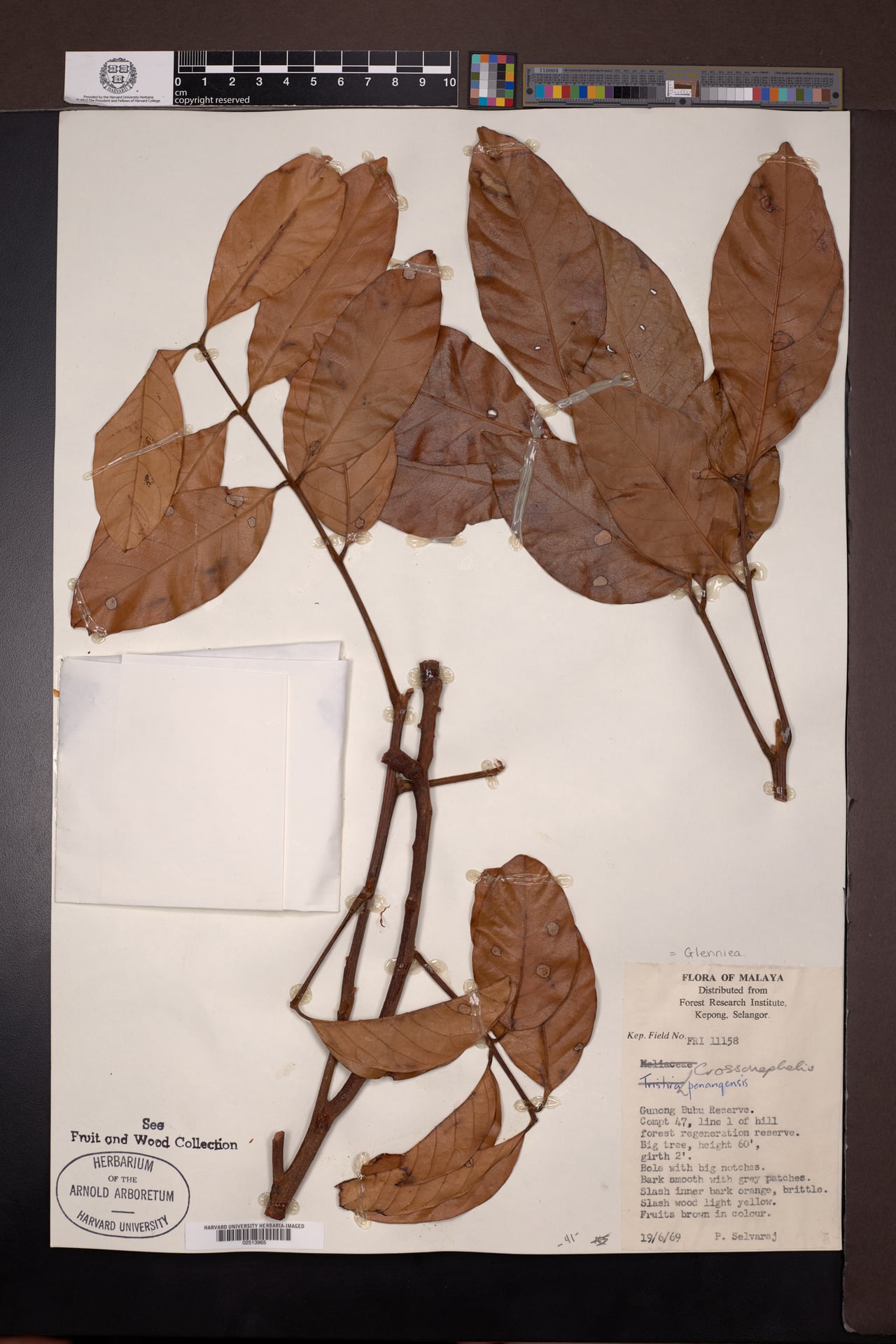
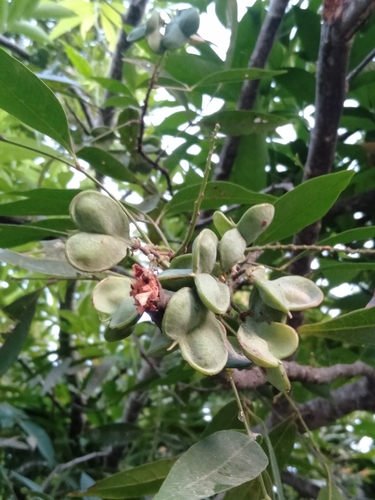
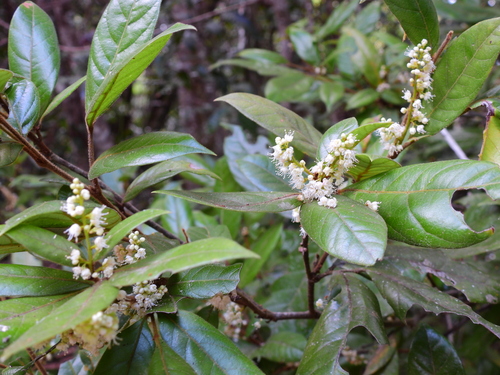
A shrub or small tree. The bark is smooth and grey. The leaves have leaflets along the stalk. There are usually 4-5 pairs that are opposite. The leaves are 15-60 cm long. The flowers are in groups of 2-3 and are red. The fruit is red or dark purple. They have 2 lobes. They are 2.5 cm long
Edible Uses
The ripe fruit are eaten.
Traditional Uses
The ripe fruit are eaten.
This uses section is brief — help expand it
Distribution
It is a subtropical plant. It grows up to 1,000 m above sea level.
Where It Grows
Asia, Bangladesh, Himalayas, India, Myanmar, Nepal, Northeastern India, SE Asia,
Notes
There are 13 Sapindus species. They are tropical and subtropical.
Synonyms
Euphoria attenuata Planch. ex HiernEuphoria rubra RoyleScytalia rubia Roxb.Possibly now Lepisanthes senegalensis
Also Known As
Zu-til
References (2)
- Hedrick, U.P., 1919, (Ed.), Sturtevant's edible plants of the world. p 593
- Kar, A., et al, 2013, Wild Edible Plant Resources used by the Mizos of Mizoram, India. Kathmandu University Journal of Science, Engineering and Technology. Vol. 9, No. 1, July, 2013, 106-126