Salvia aethiopis
L.
Ethiopian sage
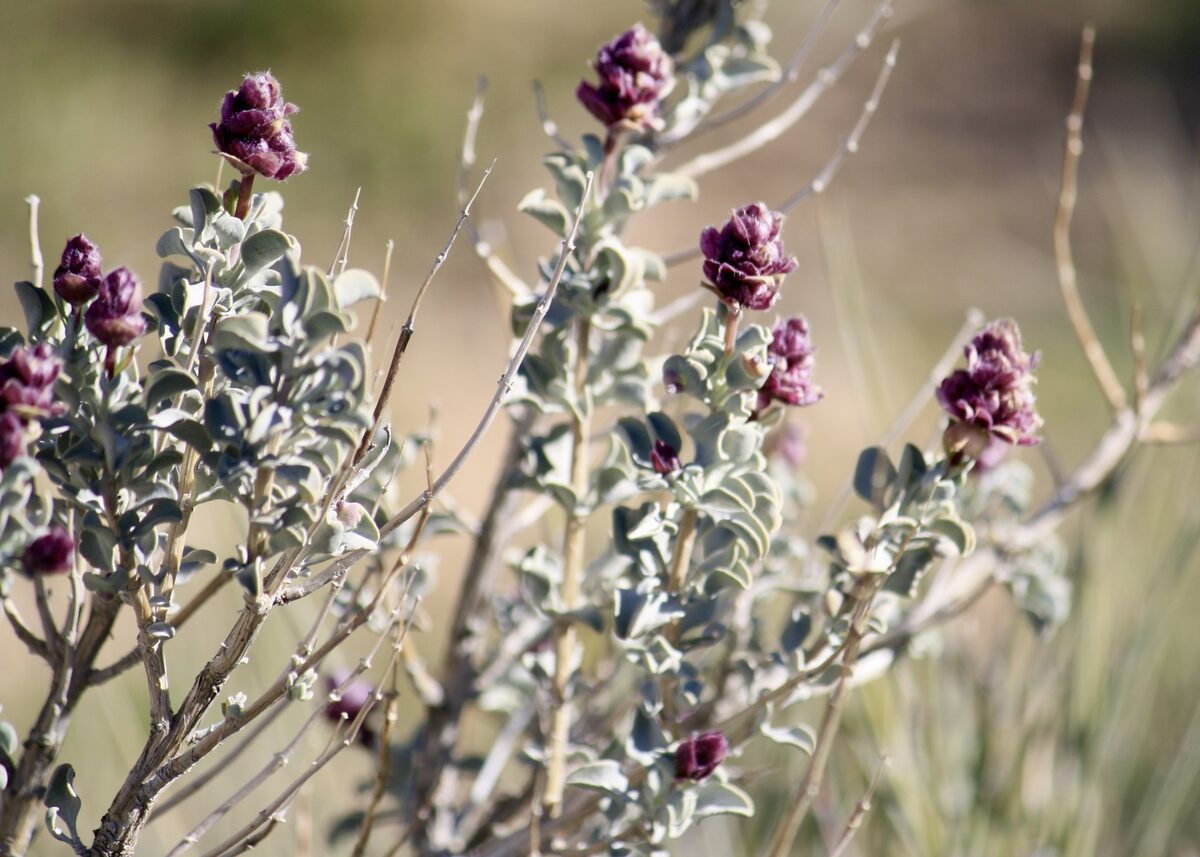
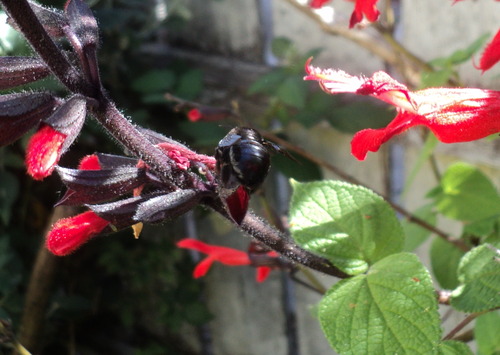
iNaturalist· cc-by-nc
(c) metorresl, some rights reserved (CC BY-NC)
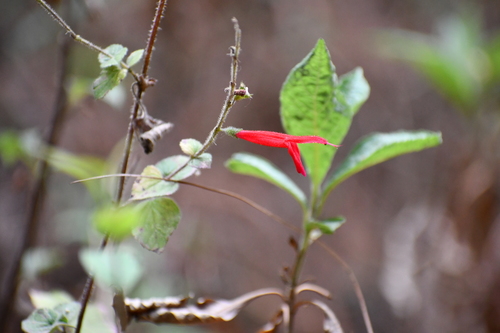
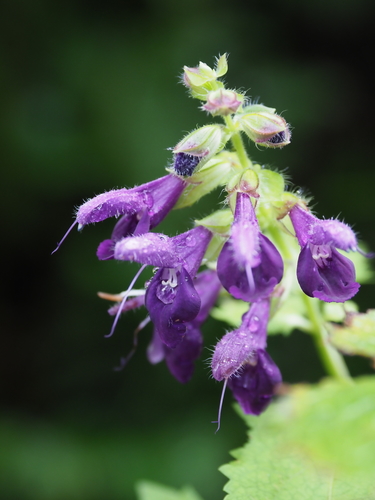
iNaturalist· cc-by-nc
(c) Sami Tamson, some rights reserved (CC BY-NC)
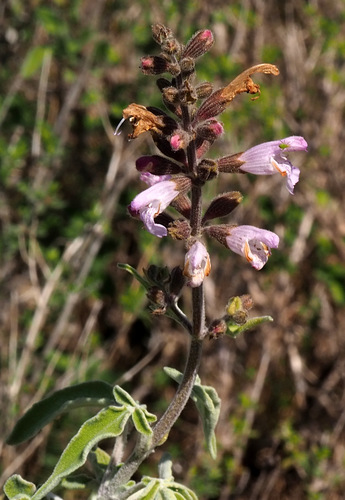
iNaturalist· cc-by-nc
(c) Sami Tamson, some rights reserved (CC BY-NC)
Summary
Source: WikipediaSalvia aethiopis is a species of perennial plant known by the common names Mediterranean sage or African sage. It is best known as a noxious weed, particularly in the western United States. It is native to Eurasia and was probably introduced to North America as a contaminant of alfalfa seed. It is a weed of rangelands and pastures. It is unpalatable to livestock, it disrupts native floral communities, and it becomes a physical nuisance due to the similarity of the persistent dried stems to tumbleweed. The weevil Phrydiuchus tau is used as an agent of biological pest control on this plant. Boya and Valverde examined a sample of Salvia aethiopis. Acetone extracts of the root furnished a new orthoquinone diterpene, aethiopinone (4,5-seco-5,10-friedo-abieta-4(18),5,6,8,13-pentaen-11,12-dione). This compound was isolated in 0.15% yield from the dry roots.
Description
An herb in the Lamiaceae (mint) family found in temperate regions.
This description is brief — help expand it
Edible Uses
The unripe fruit is eaten. The leaves are cooked with yoghurt. The stems are peeled and eaten raw.
Traditional Uses
The unripe fruit is eaten. The leaves are cooked with yoghurt. The stems are peeled and eaten raw.
This uses section is brief — help expand it
Distribution
It is a temperate plant.
Where It Grows
Africa, East Africa, Ethiopia, Turkey, Türkiye,
Notes
Probably edible.