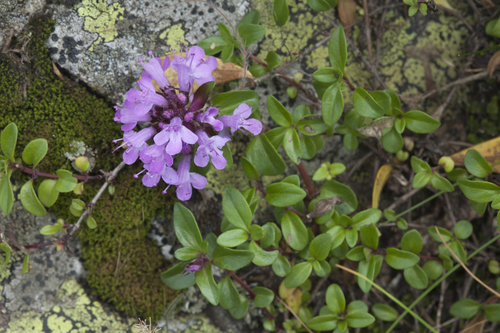
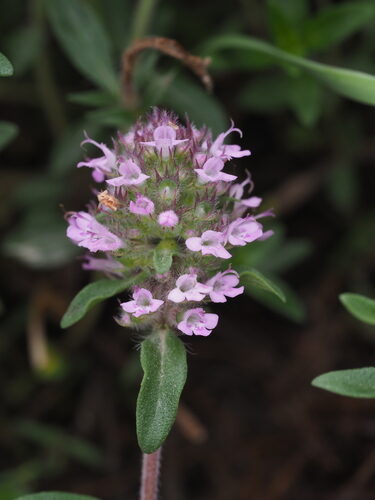
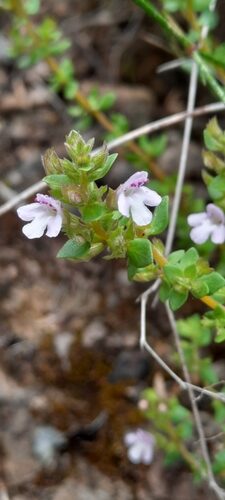
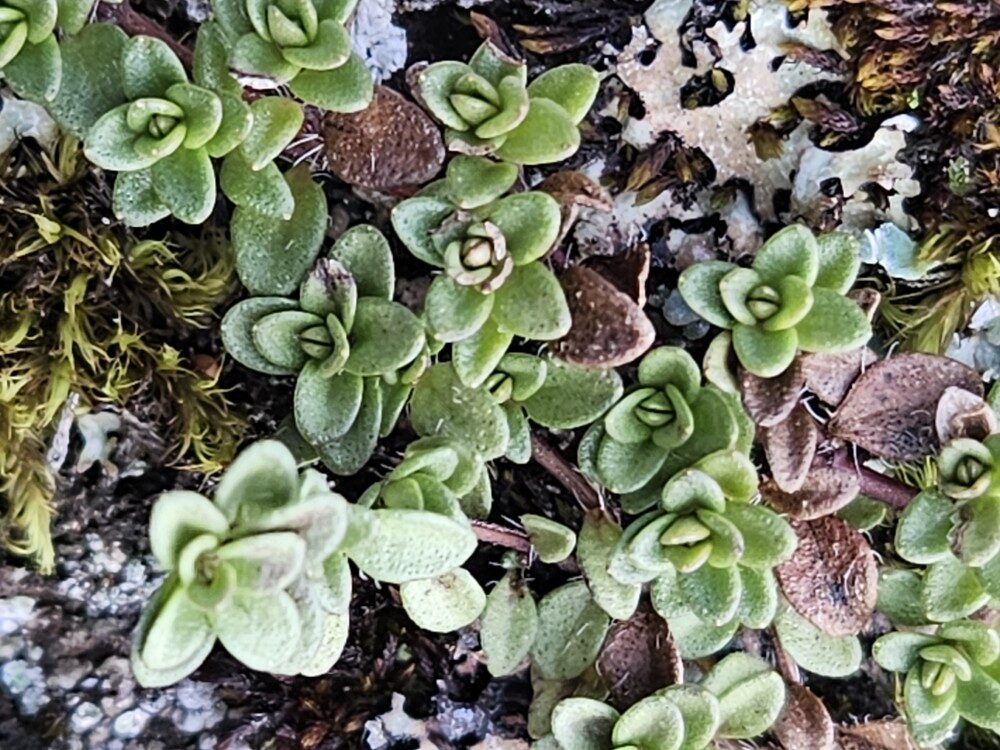
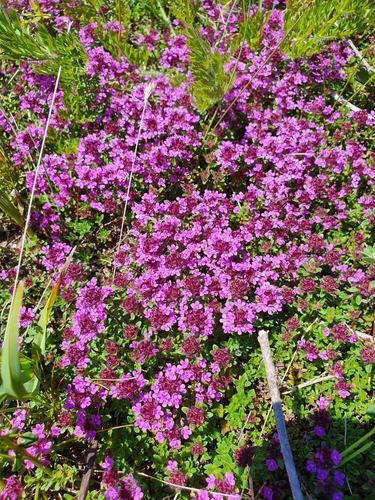
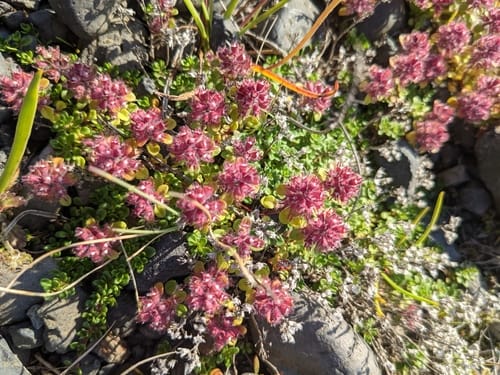
Rydingia integrifolia
(Benth.) Scheen & V. A. Albert
iNaturalist· cc-by-nc
(c) Aklilu Negussie Mekuria, some rights reserved (CC BY-NC), uploaded by Aklilu Negussie Mekuria
iNaturalist· cc-by-nc
(c) Aklilu Negussie Mekuria, some rights reserved (CC BY-NC), uploaded by Aklilu Negussie Mekuria
Description
A tropical shrub in the Lamiaceae family.
This description is brief — help expand it
Medicinal Uses
By using analytical and preparative gas chromatography (GC), terpenes have been extracted from air-dried Abyssinian rose (Otostegia integrifolia) leaves. A total of 40 constituents including monoterpenes, sesquiterpenes, diterpenes and their derivatives were identified. The species of Otostegia have traditionally been used in folklore medicines, for treatment of ophthalmia, as an anti-microbial, antihyperglyceamic, and for its anti-oxidant properties used in preventing different kinds of sickness and disorders, of which five species have been reported in the flora of Ethiopia. Several studies suggest that O. integrifolia is a good natural anti-oxidant that can be used as health-promoting agent for various disorders including diabetes mellitus. The species O. integrifolia is well known for its pleasant odor, omnipotent medicinal values, and when its wood is fumigated has proven insecticidal properties (mosquito repellent).
Distribution
It is a tropical plant.
Where It Grows
Africa, East Africa, Ethiopia,
Notes
Possibly edible. There are about 20 Otostegia species.
Synonyms
Also Known As
Tinjute
References (1)
- Molla, A., Ethiopian Plant Names. http://www.ethiopic.com/aplants.htm (As Otostegia integrifolia)