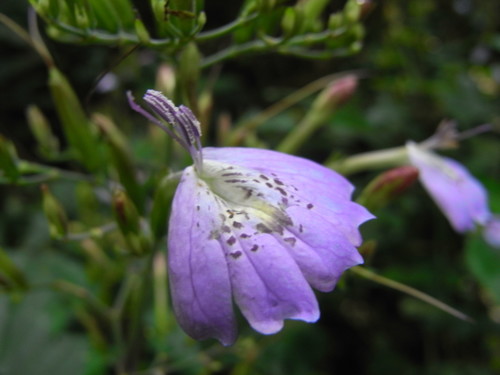
Ruellia tuberosa
Linn.
Menow-weed, Minnie root, Spearpod
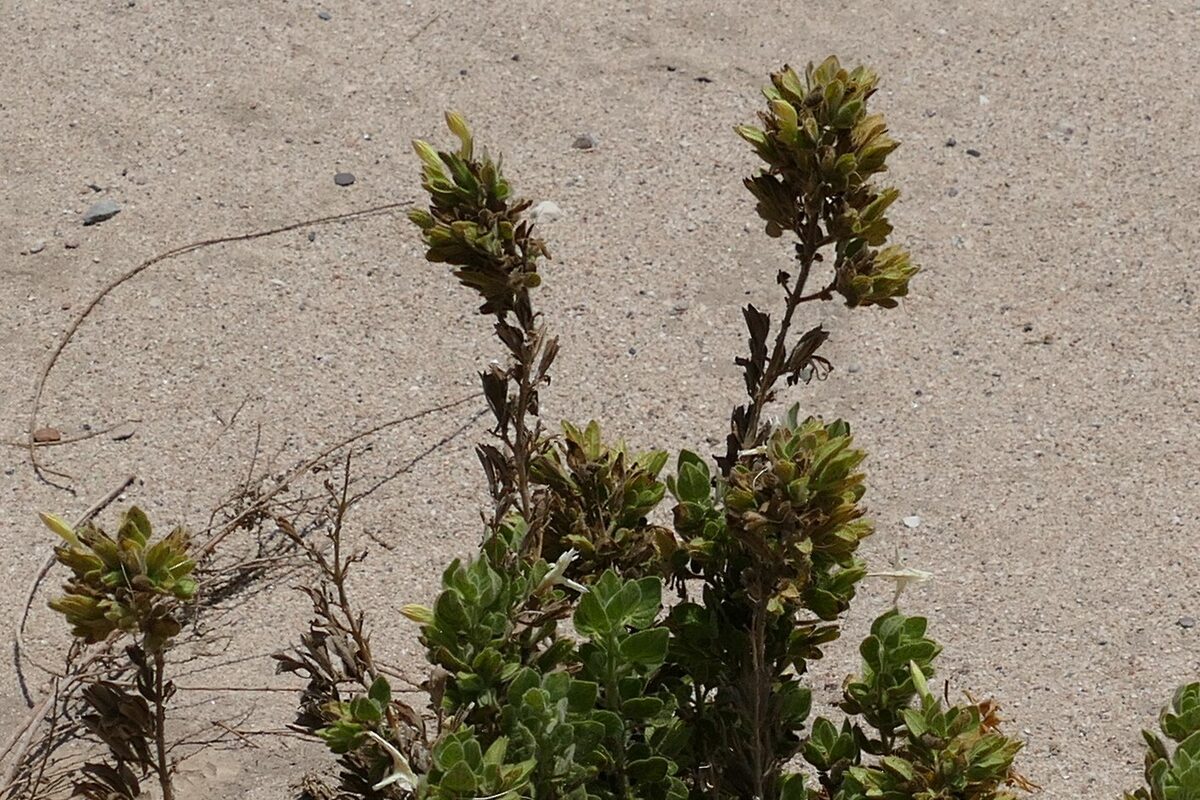
iNaturalist· cc-by-nc
(c) Alexis Felipe, some rights reserved (CC BY-NC), uploaded by Alexis Felipe
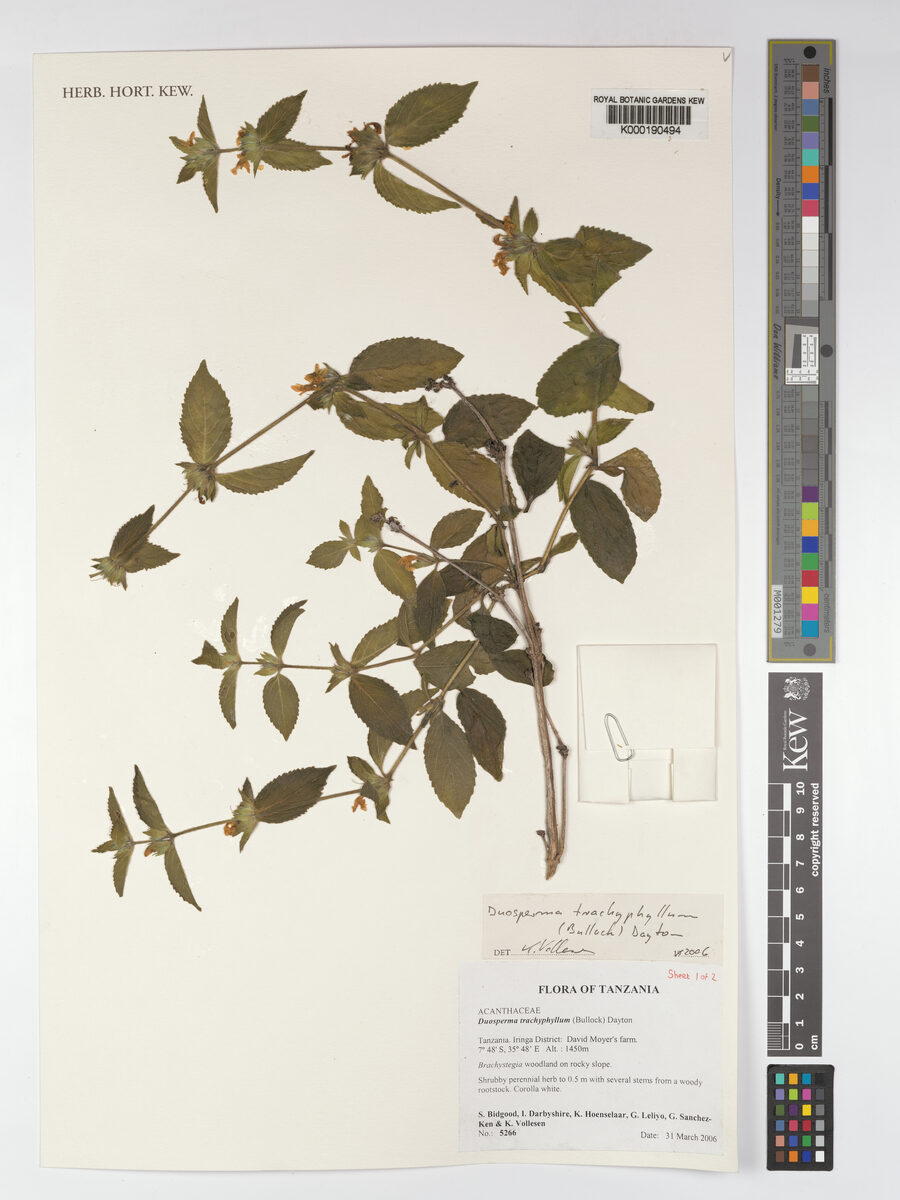
iNaturalist· cc-by-nc
(c) accidentalshrike, some rights reserved (CC BY-NC), uploaded by accidentalshrike
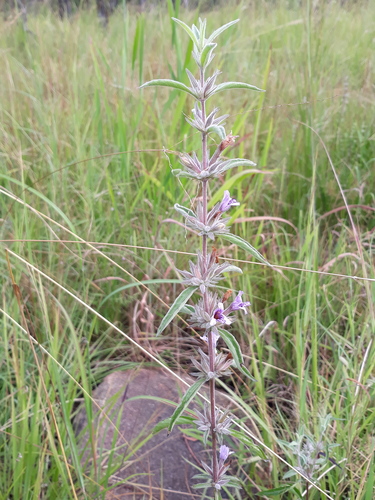
iNaturalist· cc-by-nc
(c) Ganjar Cahyadi, some rights reserved (CC BY-NC), uploaded by Ganjar Cahyadi
Summary
Source: WikipediaRuellia tuberosa, also known as minnieroot, fever root, snapdragon root and sheep potato (Thai: ต้อยติ่ง), is a species of flowering plant in the family Acanthaceae. Its native range is in Central America but it has become naturalized in Africa (Tanzania in particular), South and Southeast Asia. Some butterfly species, like the lemon pansy (Junonia lemonias) and the mangrove buckeye (Junonia genoveva), feed on the leaves of Ruellia tuberosa.
Description
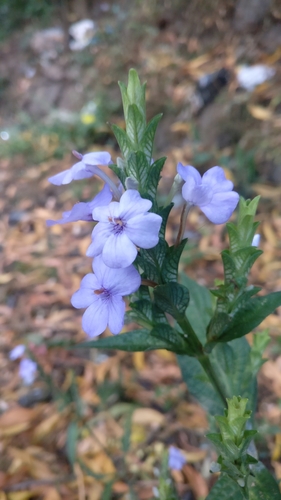
A herb. It can be upright or lie over. It is about 30 cm high. The roots are long and fleshy. It has 1 or 2 main branches. They are 4 angled. The leaves are 4-8 cm long by 2-4 cm wide. The flowers are in the axils of leaves. The flowers are blue and purple. The fruit is a cylinder shaped capsule 17-24 mm long and 3 mm wide. It explodes on contact with water. There are 20-26 seeds. These are 2-2.5 mm wide.
Edible Uses
The roots have a slightly pungent taste when fresh and are milder when dry.
Traditional Uses
The roots have a slightly pungent taste when fresh but are less so when dry.
This uses section is brief — help expand it
Distribution
It is a tropical plant. In southern China it grows in disturbed sites below 100 m above sea level. In Java it grows to 150 m above sea level. In Yunnan.
Where It Grows
Africa, American Samoa, Asia, Australia, Central America*, China, Dominica, Dominican Republic, East Timor, Guiana, Guianas, Guyana, Haiti, India, Indochina, Indonesia, Jamaica, Laos, Malaysia, Myanmar, Pacific, Philippines, Samoa, SE Asia, South America, Sri Lanka, St Lucia, Suriname, Taiwan, Thailand, Timor-Leste, Venezuela, West Indies,
Cultivation
Plants can be grown from seeds, suckers or cuttings.
Notes
There are about 150 Ruellia species. They grow in tropical and warm temperate places.
Also Known As
Bluebell, Byauk, Ceplikan, Iron root, Minne - root, Naga-hmaing, Pletikan, Snapdragon, Ti patat, Waterkanon, Watrakone
References (7)
- Hedrick, U.P., 1919, (Ed.), Sturtevant's edible plants of the world. p 582
- Paczkowska, G. & Chapman, A.R., 2000, The Western Australian Flora. A Descriptive Catalogue. Western Australian Herbarium. p 132
- Parham, B. E. V., 1972, Plants of Samoa. New Zealand Department of Scientific and Industrial Research. Information Series. No. 85 p 147
- Plants of Haiti Smithsonian Institute http://botany.si.edu
- Sp. pl. 2:635. 1753
Show all 7 references Hide references
- Sukarya, D. G., (Ed.) 2013, 3,500 Plant Species of the Botanic Gardens of Indonesia. LIPI p 1134
- Westerway, J., et al, 2018, Preliminary checklist of the naturalised and pest plants of Timor-Leste. Blumea 63:157-163