Rubus sellowii
Cham. & Sclecht.
Wild blackberry, Amora-preta
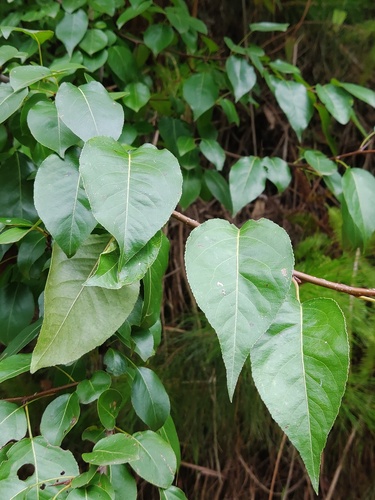
iNaturalist· cc-by-nc
(c) Luís A. Funez, some rights reserved (CC BY-NC), uploaded by Luís A. Funez
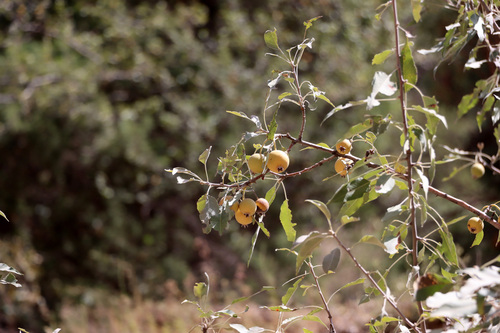
iNaturalist· cc-by-nc
(c) Clarice Dorocinski, some rights reserved (CC BY-NC), uploaded by Clarice Dorocinski
iNaturalist· cc-by-nc
(c) Luis Vescia da Rosa, some rights reserved (CC BY-NC)
Description
A shrub with branches that are climbing. It has spines. The leaves are compound and have 3-5 leaflets. They are 4-7 cm long. The leaf stalk is 2-4 cm long. The flowers are white and in groups at the ends of branches. The fruit are red but turn black as they ripen.
Edible Uses
Fruit - raw and made into sweets and jellies. A fleshy fruit with an acidic, somewhat astringent flavour. The fruits are around 1cm in diameter.
Traditional Uses
The fruit are eaten raw and also used for sweets and jellies.
This uses section is brief — help expand it
Distribution
It is a tropical plant. It grows naturally along the edges of forests in high altitude regions in Brazil. In Argentina it grows from sea level to 1,400 m above sea level.
Where It Grows
Argentina, Brazil*, Paraguay, South America,
Cultivation
Plants are grown from seed.
Propagation
Seed - germinates best if given a period of cold stratification prior to sowing in containers. Stored seed requires one month stratification at about 3°c and is best sown as early as possible in the growing season. Prick out the seedlings when they are large enough to handle and grow on until large enough to plant out. Cuttings of half-ripe wood in a frame. Tip layering towards the end of the growing season Division just before the plant comes into new growth or as it enters dormancy.
Dangerous Lookalikes
This plant can be confused with the following toxic species. Always verify identification carefully before consuming any wild plant.
Red Baneberry
Actaea rubra
Walter Siegmund (talk)
Wild blackberry
Rubus sellowii
(c) Luís A. Funez, some rights reserved (CC BY-NC), uploaded by Luís A. Funez
Red Baneberry: Short herbaceous plant (no thorns), berries on thick red stems, each berry has a single seed, compound sharply-toothed leaves.
Wild blackberry: Thorny woody canes (brambles), aggregate berry made of many drupelets, berries pull easily from receptacle.
Also Known As
Amora-do-mato, Amorinha, Capinuriba preta, Drapaczyna, Jezynki, Mora, Mora del monte
References (9)
- Brack, P., et al, 2020, Frutas nativas do Rio Grande do Sul, Brasil: riqueza e potencial alimentício. Native fruits of Rio Grande do Sul, Brazil: richness and potential as food. Rodriguésia 71: e03102018
- Hedrick, U.P., 1919, (Ed.), Sturtevant's edible plants of the world. p 580
- Hunter, D., et al, 2019, The potential of neglected and underutilized species for improving diets and nutrition. Planta (2019) 250:709-729
- Kinupp, V. F., 2007, Plantas alimenticias nao-convencionais da regiao metropolitana de Porto Alegre, RS, Brazil p 96
- Kujawska, M. & Luczaj, L., 2015, Wild Edible Plants Used by the Polish Community in Misiones, Argentina. Human Ecology 43:855-869
Show all 9 references Hide references
- Leal, M. L. et al, 2018, Knowledge, use, and disuse of unconventional food plants. Journal of Ethnobiology and Ethnomedicine (2018) 14:6
- Linnaea 2:15. 1827
- Lorenzi, H., Bacher, L., Lacerda, M. & Sartori, S., 2006, Brazilian Fruits & Cultivated Exotics. Sao Paulo, Instituto Plantarum de Estuados da Flora Ltda. p 282
- www.colecionandofrutas.org