Rubus jamaicensis
Linn.
iNaturalist· cc-by-nc
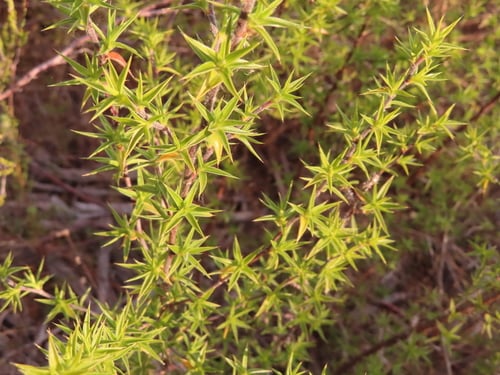
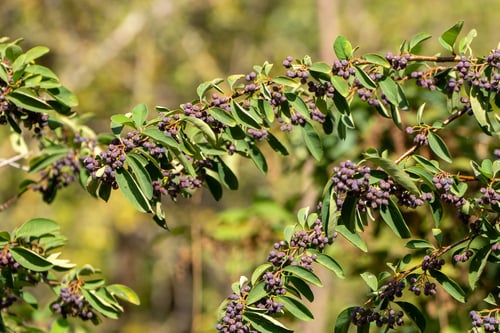
(c) Alan R. Franck, some rights reserved (CC BY-NC), uploaded by Alan R. Franck
iNaturalist· cc-by-nc
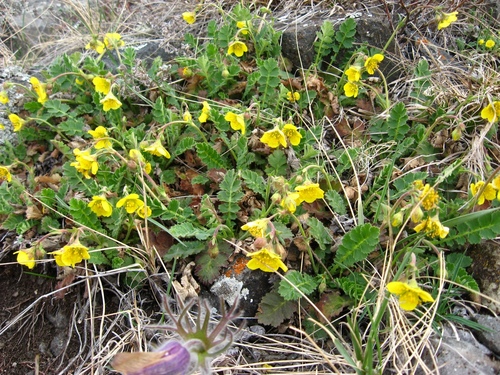
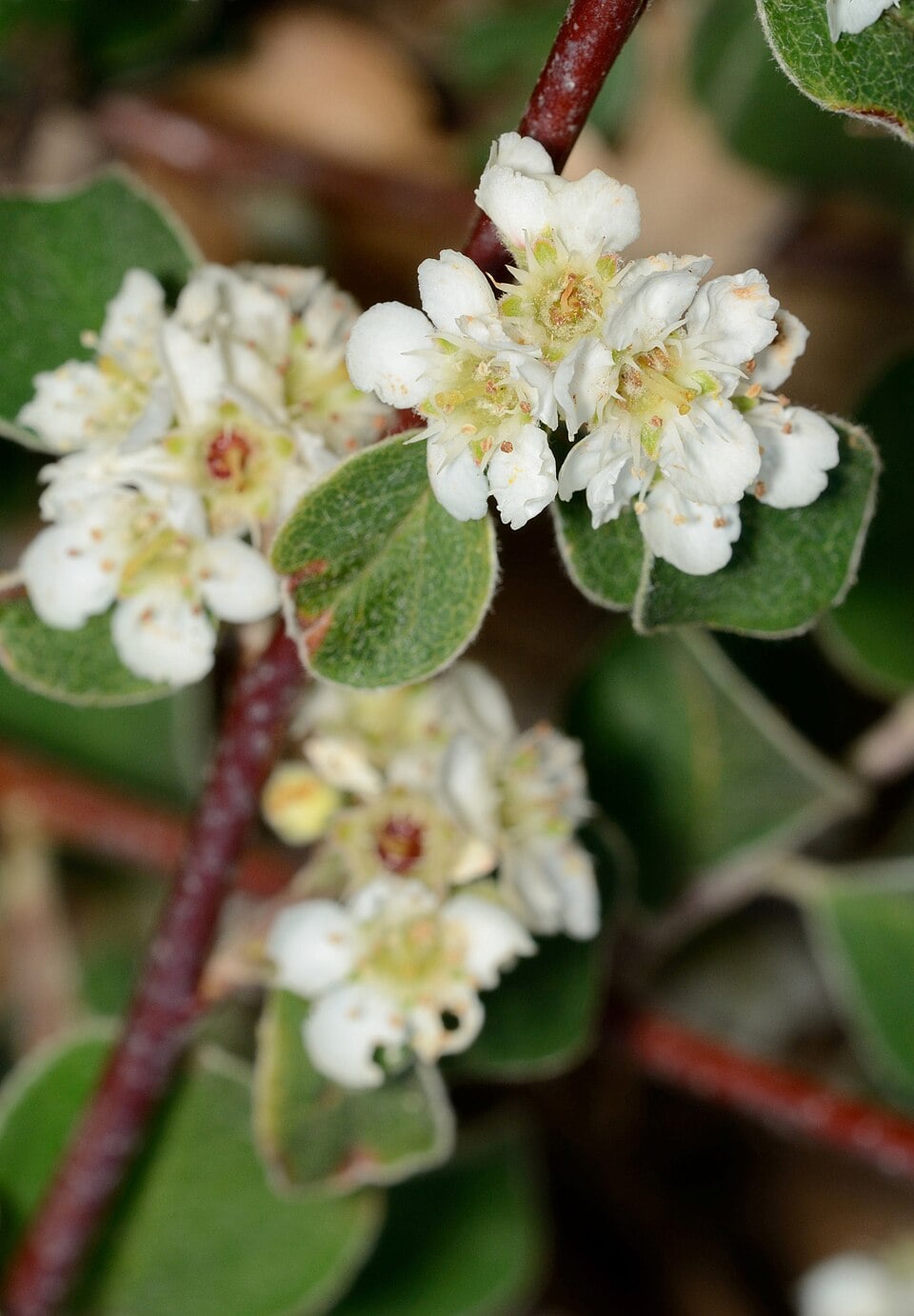
(c) Damaris Rojas, some rights reserved (CC BY-NC)
Description
A tropical American Rosaceae species that produces black ripe fruit and red unripe berries.
This description is brief — help expand it
Edible Uses
The ripe fruit is eaten fresh. The red, unripe berries are pickled and used in tarts.
Traditional Uses
The red, unripe berries are pickled and used in tarts. The ripe fruit are eaten.
This uses section is brief — help expand it
Distribution
It grows in tropical America.
Where It Grows
Central America,
Dangerous Lookalikes
This plant can be confused with the following toxic species. Always verify identification carefully before consuming any wild plant.
Red Baneberry
Actaea rubra
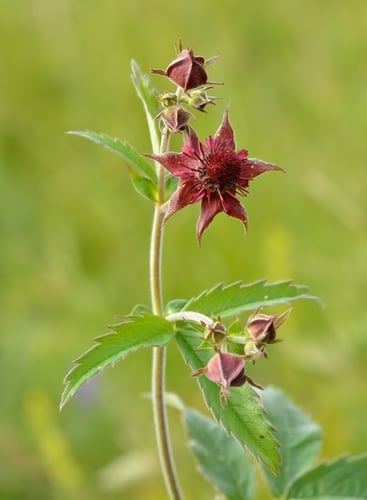
Walter Siegmund (talk)
Rubus jamaicensis
Rubus jamaicensis
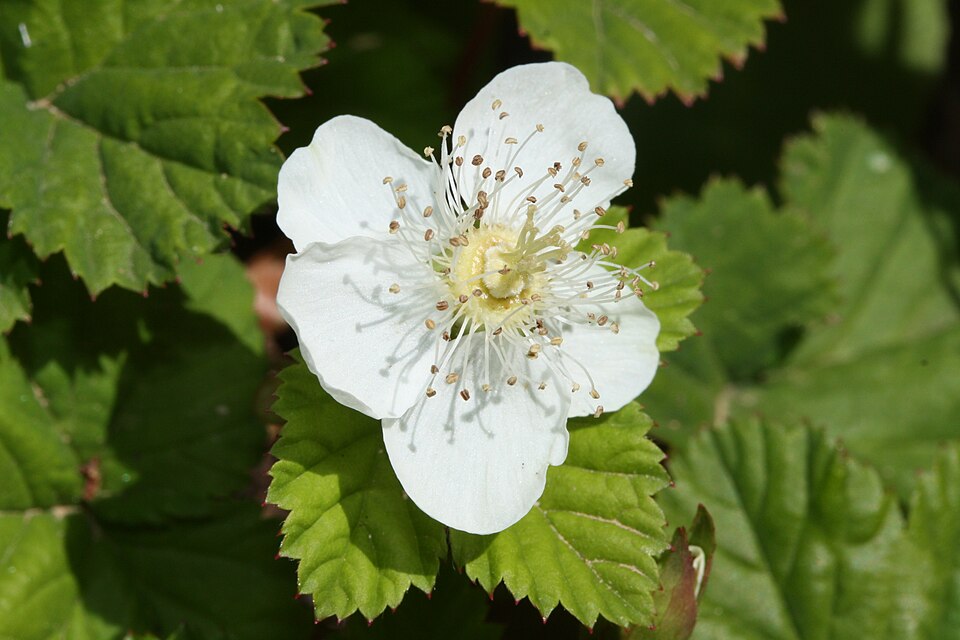
(c) Alan R. Franck, some rights reserved (CC BY-NC), uploaded by Alan R. Franck
Red Baneberry: Short herbaceous plant (no thorns), berries on thick red stems, each berry has a single seed, compound sharply-toothed leaves.
Rubus jamaicensis: Thorny woody canes (brambles), aggregate berry made of many drupelets, berries pull easily from receptacle.
References (1)
- Hedrick, U.P., 1919, (Ed.), Sturtevant's edible plants of the world. p 577