Rubus imperialis
Cham. & Schlecht.
Nhamburi
iNaturalist· cc-by-nc
(c) Gonzalo Martinez, some rights reserved (CC BY-NC), uploaded by Gonzalo Martinez
iNaturalist· cc-by-nc
(c) Alberto, some rights reserved (CC BY-NC), uploaded by Alberto
Description
A small shrub. The canes are angular and have stinging spines. The central leaflet is 5-6 cm long by 4-5 cm wide.
This description is brief — help expand it
Edible Uses
The fruit are eaten fresh or used in jellies, jams, and sweets.
Traditional Uses
The fruit are eaten. They can be used in jellies, jams and sweets.
This uses section is brief — help expand it
Distribution
A subtropical plant. In Argentina it grows from sea level to 2,000 m above sea level.
Where It Grows
Argentina, Brazil*, South America*,
Dangerous Lookalikes
This plant can be confused with the following toxic species. Always verify identification carefully before consuming any wild plant.
Red Baneberry
Actaea rubra
Walter Siegmund (talk)
Nhamburi
Rubus imperialis
(c) Gonzalo Martinez, some rights reserved (CC BY-NC), uploaded by Gonzalo Martinez
Red Baneberry: Short herbaceous plant (no thorns), berries on thick red stems, each berry has a single seed, compound sharply-toothed leaves.
Nhamburi: Thorny woody canes (brambles), aggregate berry made of many drupelets, berries pull easily from receptacle.
Also Known As
Amora-verde
References (7)
- Alimenticias - FloraSBS
- Brack, P., et al, 2020, Frutas nativas do Rio Grande do Sul, Brasil: riqueza e potencial alimentício. Native fruits of Rio Grande do Sul, Brazil: richness and potential as food. Rodriguésia 71: e03102018
- Hedrick, U.P., 1919, (Ed.), Sturtevant's edible plants of the world. p 577
- Kinupp, V. F., 2007, Plantas alimenticias nao-convencionais da regiao metropolitana de Porto Alegre, RS, Brazil p 96
- Linnaea 2:13. 1827
Show all 7 references Hide references
- www.colecionandofrutas.org
- www.eplantscience.com
More from Rosaceae
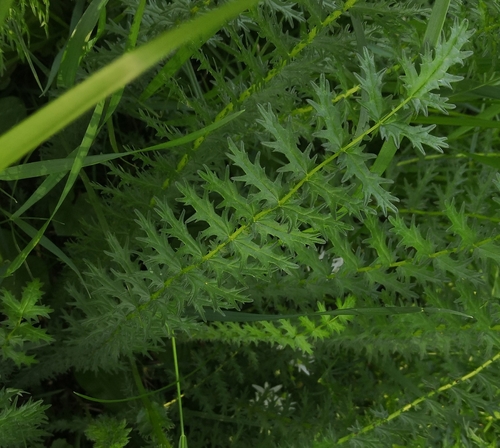
Filipendula hexapetala
Kraljica polja
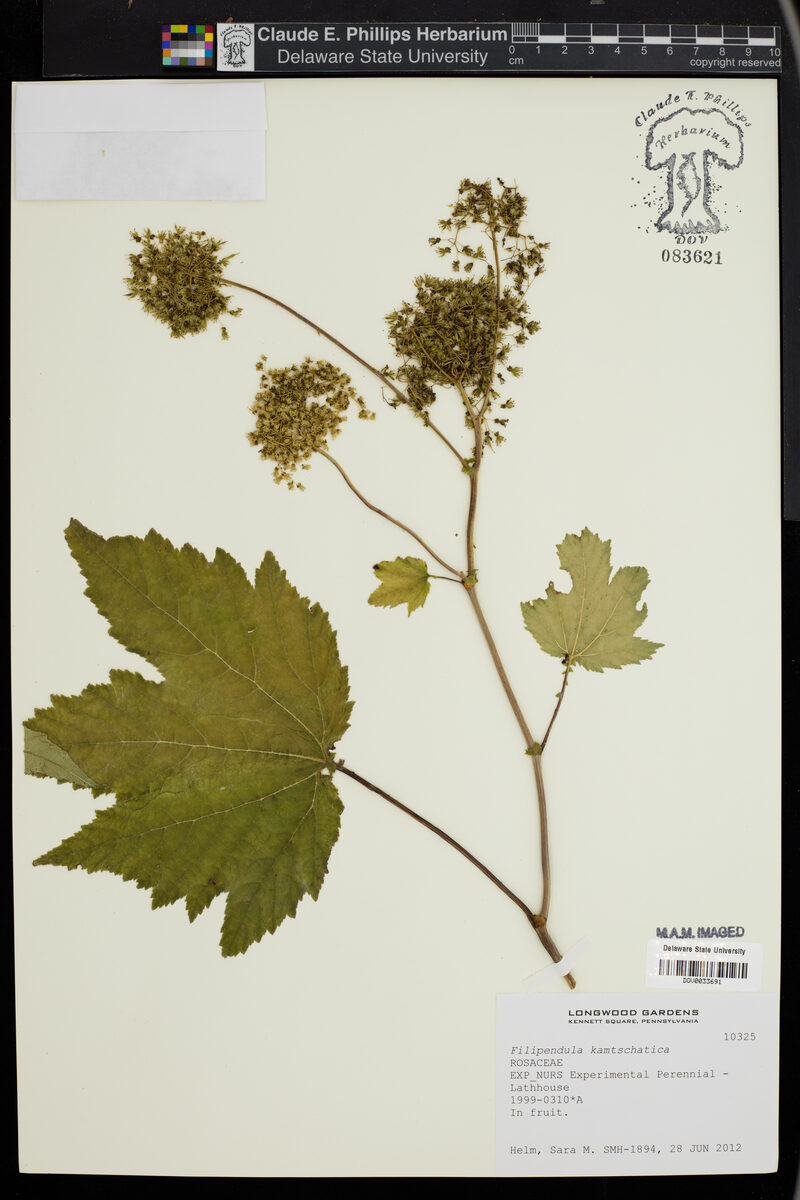
Filipendula kamtschatica - (Pall.)Maxim.
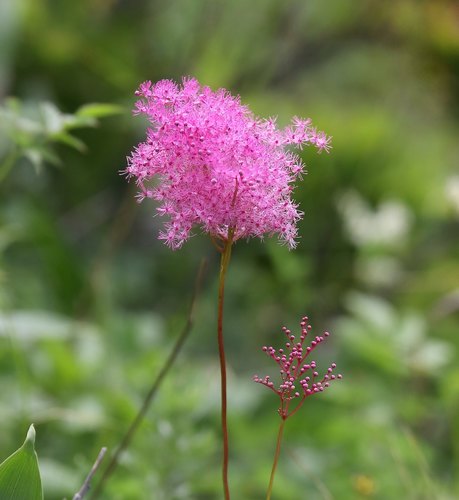
Filipendula multijuga
Meadowsweet
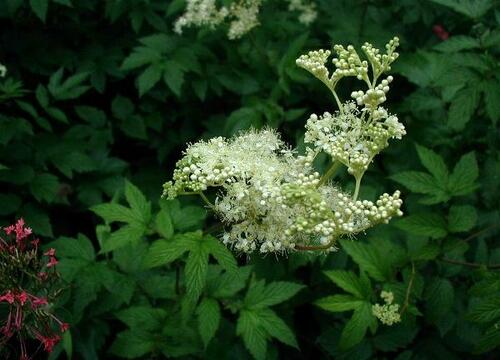
Filipendula ulmaria
Meadowsweet, Queen of the meadows
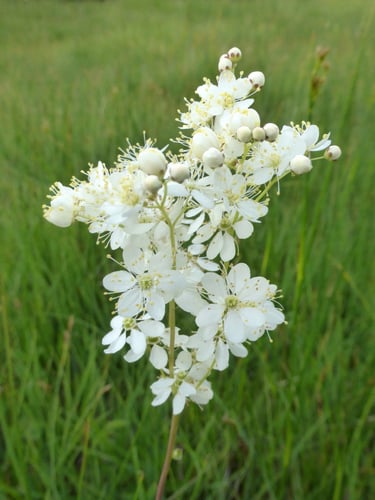
Filipendula vulgaris
Dropwort
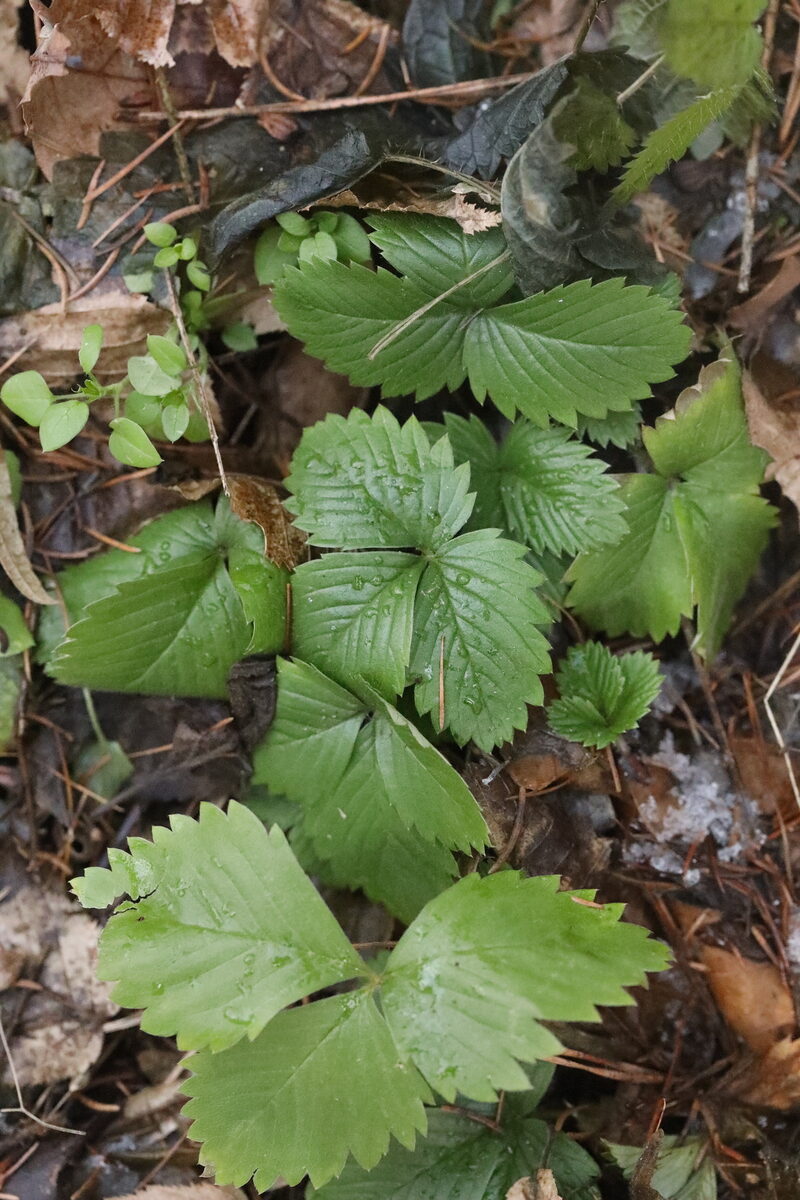
Fragaria - .
Strawberry, Beach strawberry, Pacific beach strawberry, Sandwich beach strawberry, Virginia strawber