Sceletium tortuosum
(Linn.) N. E. Br.
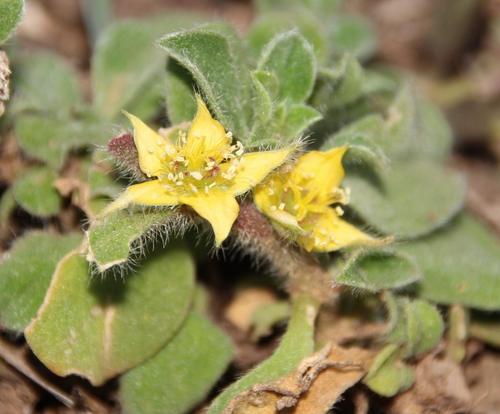
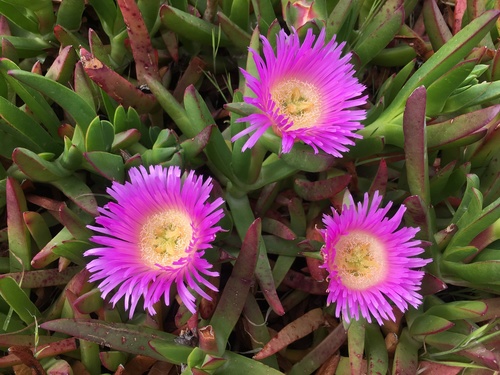
iNaturalist· cc-by-nc
(c) Gerhard Malan, some rights reserved (CC BY-NC)
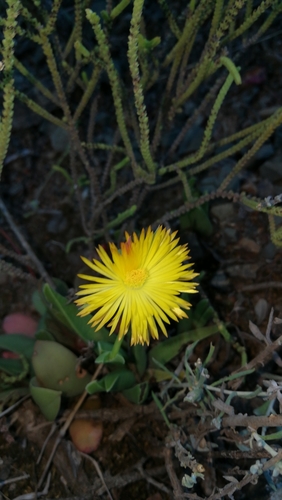
iNaturalist· cc-by-nc
(c) Gerhard Malan, some rights reserved (CC BY-NC)
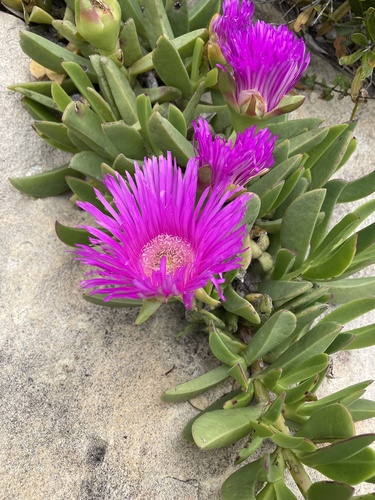
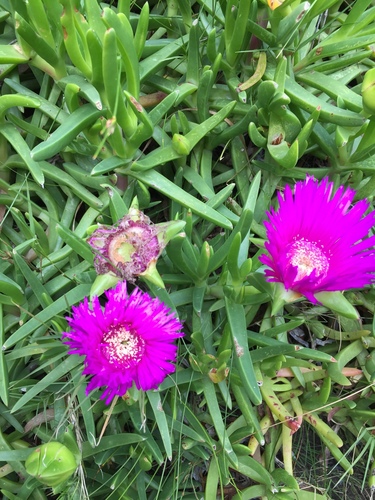
iNaturalist· cc-by-nc
(c) Sandra Falanga, some rights reserved (CC BY-NC)
Description
A succulent plant from subtropical regions with leaves that have narcotic properties.
This description is brief — help expand it
Edible Uses
The leaves are chewed to quench thirst.
Traditional Uses
CAUTION: The leaves have narcotic properties. They are chewed to quench thirst.
This uses section is brief — help expand it
Medicinal Uses
Hans Zwicky (1914) was the first to report the presence of alkaloids in Sceletium tortuosum, identifying mesembrine and mesembrenine, though their chemical structures were later corrected. Subsequent research confirmed the structure of mesembrine and noted additional unidentified alkaloids. Studies of fermentation processes revealed that mesembrine transforms into mesembrenone when exposed to sunlight and aqueous conditions, while remaining stable in methanol or darkness. To date, more than 25 alkaloids from four main structural classes—mesembrine, Sceletium A4, joubertiamine, and tortuosamine—have been identified in Sceletium species, with mesembrine-types predominating. Recent advances include the structural characterization of new alkaloids such as channaine and sceletorines A and B, with evidence indicating sceletorine B may be a biosynthetic precursor to channaine. These discoveries deepen understanding of the chemical diversity and transformation of alkaloids in Sceletium tortuosum, which are key to its pharmacological properties. M. tortuosum contains about 1–1.5% total alkaloids. A standardised ethanolic extract of dried M. tortuosum had an IC50 for SERT of 4.3 μg/ml and for PDE4 inhibition of 8.5 μg/ml. Kanna inhibits serotonin reuptake by downregulating the serotonin transporter (SERT) and also promote monoamine release by upregulating vesicular monoamine transporter-2 (VMAT2). It shows mild inhibition of acetylcholinesterase (AChE) and monoamine oxidase-A (MAO-A). The primary mechanism of kanna's mood effects appears to be monoamine release, with serotonin reuptake inhibition as a secondary action. It exhibits multiple pharmacological activities, including as a phosphodiesterase-4 inhibitor (PDE4), acetylcholinesterase inhibitor (AChE), CB1 receptor blocker, and CYP17A1 inhibitor.
Known Hazards
Kanna has been consumed for its mood-altering and medicinal properties by pastoralists and hunter-gatherers since historic times. The earliest recorded use dates back to 1662. It is consumed in various forms—chewed, fermented, made into tinctures, teas, tablets, snuff, or smoked. Traditionally, it serves as a narcotic, sedative, analgesic (relieving mouth pain), and suppresses hunger and thirst during hunting. It has been used to treat toothache, abdominal pain, and digestive issues, especially in pregnant women for constipation, nausea, uterine contractions, and post-birth recovery. An oil made from the plant mixed with sheep's tail is used to relieve colic in babies. It is used as a party drug for its euphoric effects. It has been described as producing MDMA-like effects. It has been studied to alleviate excessive nocturnal barking in dogs or meowing in cats. Toxicology data for Sceletium tortuosum in humans is limited. However, animal studies suggest a favorable safety profile. In dogs and cats, daily oral doses of 10 mg/kg and 100 mg/kg respectively showed no toxic effects, with all body systems functioning normally. In Wistar rats, a 90-day oral study using a proprietary extract at doses of 17.85, 35.7, and 71.4 mg/kg revealed no toxic effects, establishing a no-observed-adverse-effect level at 71.4 mg/kg. Additional studies administering higher doses—up to 5,000 mg/kg daily for 14 days and up to 600 mg/kg daily for 90 days—also reported no mortality or signs of toxicity. These findings indicate a high margin of safety in animal models. Traditional and contemporary methods of preparation serve to reduce levels of potentially harmful oxalates found in M. tortuosum. An analysis indicated levels of 3.6–5.1% oxalate, which falls within the median range for crop plants, just like spinach or kale.
Distribution
It is a subtropical plant.
Where It Grows
Africa, South Africa, Southern Africa*,
Notes
Also put in the family Mesembryanthemaceae.
Synonyms
Also Known As
Channa, Kanna, Kougoed
References (4)
- Hedrick, U.P., 1919, (Ed.), Sturtevant's edible plants of the world. p 412 (As Mesembryanthemum tortuosum)
- Ruiters-Welcome, A. K., 2019, Food plants of southern Africa. Ph.D. thesis. Univ. of Johannesburg p 8
- Welcome, A. K. & Van Wyk, B.-E., 2019, An inventory and analysis of the food plants of southern Africa. South African Journal of Botany 122 (2019) 136–179
- World Checklist of Useful Plant Species 2020. Royal Botanic Gardens, Kew (As Mesembryanthemum tortuosum)