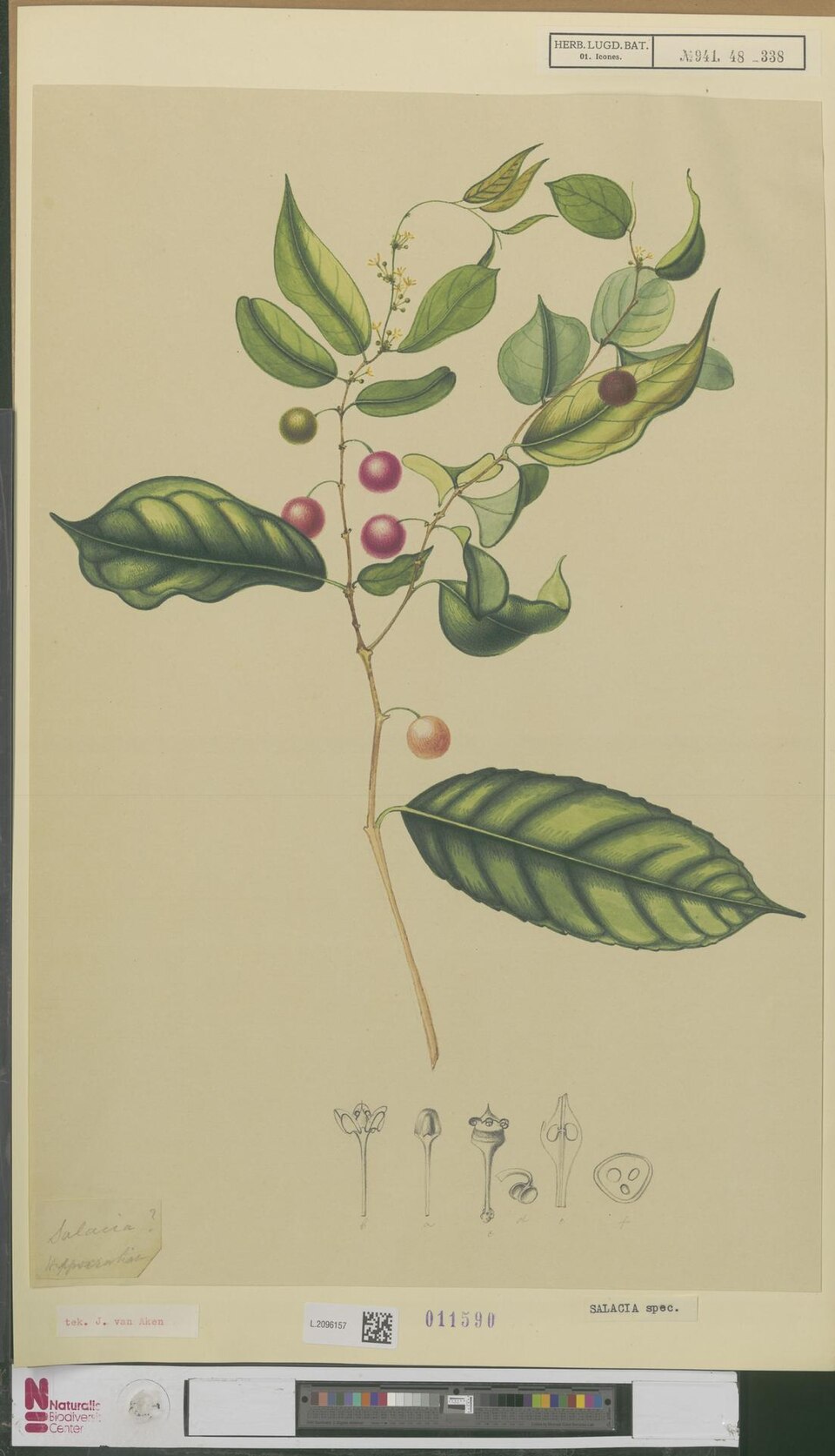
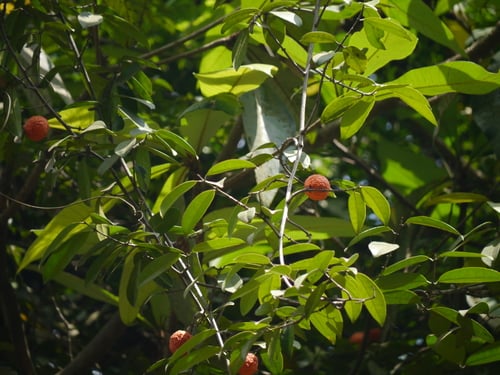
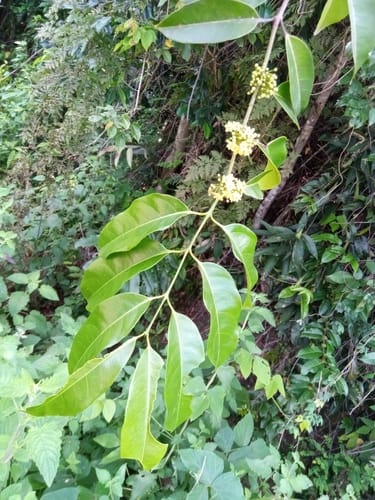
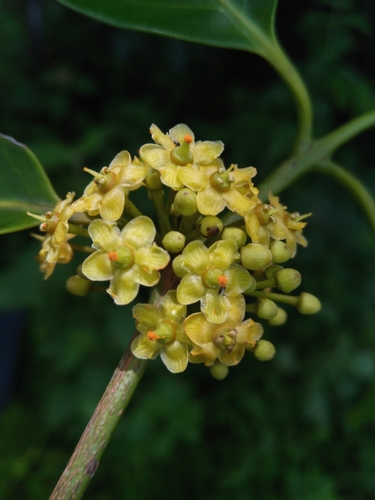
Cassine orientalis
Jacq.
Olive-wood, False olive
Wikipedia· cc-by-sa
Wikimedia Commons - Cassine_orientalis.JPG
iNaturalist· cc-by-nc
(c) Jean-Philippe BASUYAUX, some rights reserved (CC BY-NC)
iNaturalist· cc-by-nc
(c) Jean-Philippe BASUYAUX, some rights reserved (CC BY-NC)
Summary
Source: WikipediaCassine orientalis, known locally as bois d'olive, is a tall canopy tree endemic to the Mascarene islands of Mauritius, Reunion and Rodrigues. In its native islands the tree has been severely over-exploited for its valuable reddish wood. Adults reach up to 20 meters in height. The fruits resemble small olives, from which the local name derives. Juveniles have shiny narrow leaves with a bright red mid-rib and smooth edges; while adult leaves are wide and oval with a serrated margin.
Description
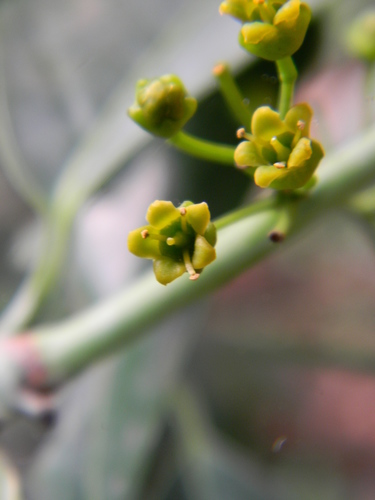
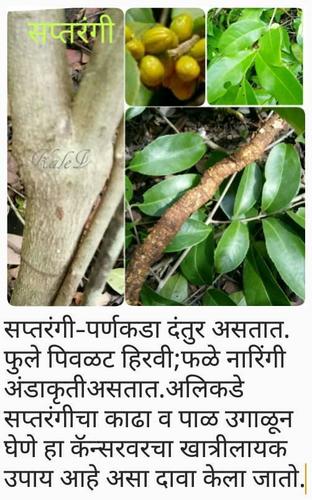
An evergreen tree. It grows 6-10 m high. The crown is dense and rounded. There are 2 types of leaves. The young leaves are narrow and the mature leaves are more broad. Mature leaves have teeth along the edge. The flowers are small and yellowish-green. The fruit are the size and shape of an olive.
Edible Uses
The leaves are used to make tea.
Distribution
A tropical plant. It can grow in sun or light shade.
Where It Grows
Africa, Asia, East Africa, Hawaii, Indonesia, Madagascar*, Mauritius, Myanmar, Pacific, SE Asia, USA,
Cultivation
Plants can be grown from seeds.
Synonyms
Also Known As
Let-pet-ben, Pohon zaitun palsu
References (4)
- Hedrick, U.P., 1919, (Ed.), Sturtevant's edible plants of the world. p 287 (As Elaeodendron orientale)
- Nova Acta Helv. Phys.-Math. 1:36, t. 2, fig. 2. 1787 (As Elaeodendron orientale)
- Staples, G.W. and Herbst, D.R., 2005, A tropical Garden Flora. Bishop Museum Press, Honolulu, Hawaii. p 231 (Drawing) (As Elaeodendron orientale)
- Sukarya, D. G., (Ed.) 2013, 3,500 Plant Species of the Botanic Gardens of Indonesia. LIPI p 257