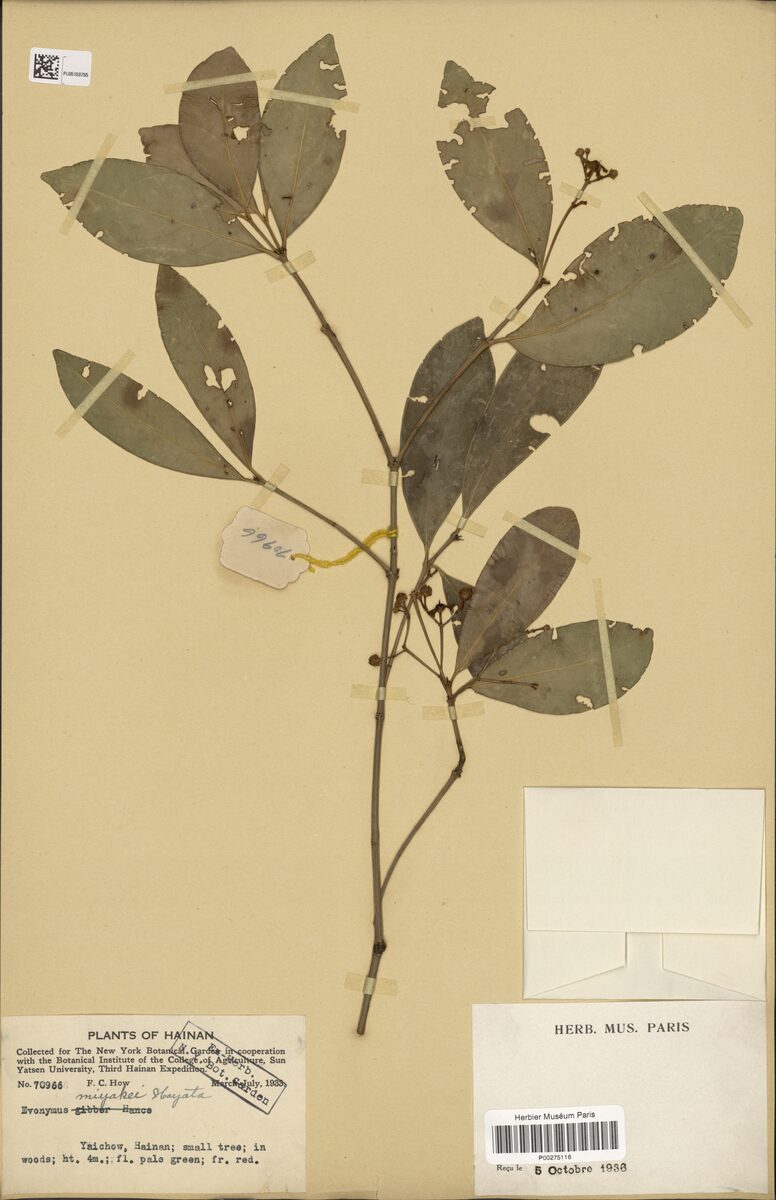
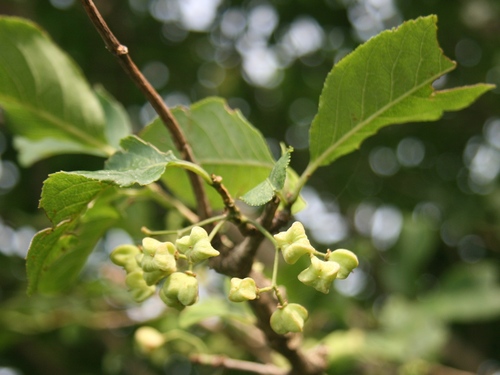
Loeseneriella africana
(Willd.) R. Wilczek ex N. Halle
African paddle-pod
iNaturalist· cc-by-nc-sa
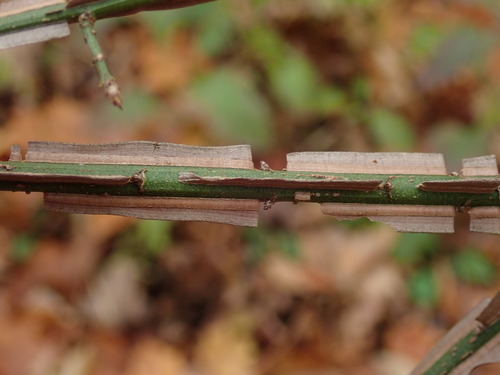
(c) Marco Schmidt, some rights reserved (CC BY-NC-SA), uploaded by Marco Schmidt
iNaturalist· cc-by-nc
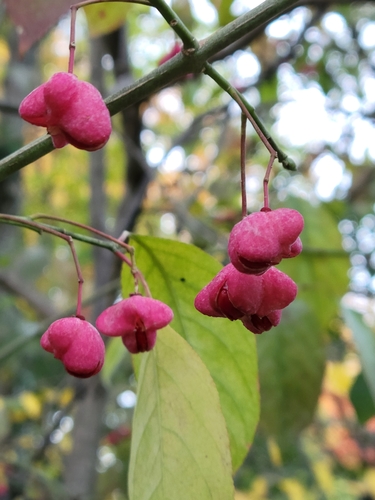
(c) Nick Helme, some rights reserved (CC BY-NC), uploaded by Nick Helme
iNaturalist· cc-by-nc
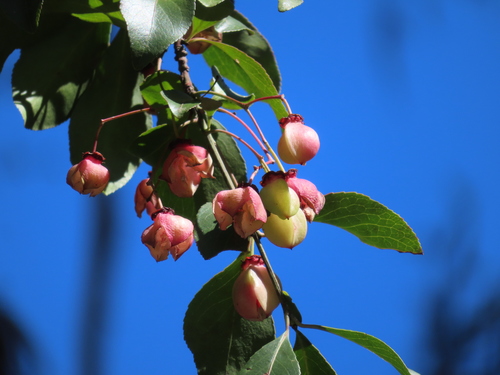
(c) Francois du Randt, some rights reserved (CC BY-NC), uploaded by Francois du Randt
Description
A woody creeping vine in the family Celastraceae found in tropical regions, including coastal sands and mangrove edges.
This description is brief — help expand it
Edible Uses
The bark is used to make tea.
Traditional Uses
The bark is used as a tea. Caution: Fruit are poisonous.
This uses section is brief — help expand it
Known Hazards
The fruit is poisonous.
Distribution
It is a tropical plant. It can grow on coastal sands and along the edges of mangroves.
Where It Grows
Africa, Asia, Burkina Faso, Central Africa, Congo DR, East Africa, Guinea, Guinée, Guinea-Bissau, India, Laos, Mali, Mozambique, Myanmar, SE Asia, Senegal, South Africa, Sri Lanka, West Africa,
Synonyms
Also Known As
Chuvudzibuue, Delbi, Mavata, Namamili, Vuve
References (2)
- Grivetti, L. E., 1980, Agricultural development: present and potential role of edible wild plants. Part 2: Sub-Saharan Africa, Report to the Department of State Agency for International Development. p 30
- Termote, C., et al, 2011, Eating from the wild: Turumbu, Mbole and Bali traditional knowledge of non-cultivated edible plants, District Tshopo, DRCongo, Gen Resourc Crop Evol. 58:585-618