Elaeodendron glaucum
(Rottboll) Persoon
Ceylon tea
iNaturalist· cc-by
(c) swanand kesari, some rights reserved (CC BY)
iNaturalist· cc-by-nc
(c) SONU KUMAR, some rights reserved (CC BY-NC)
iNaturalist· cc-by-nc
(c) SONU KUMAR, some rights reserved (CC BY-NC)
Description
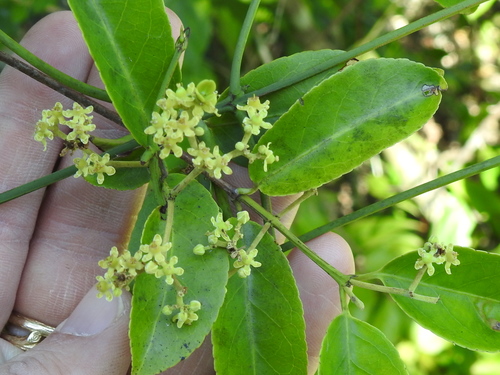
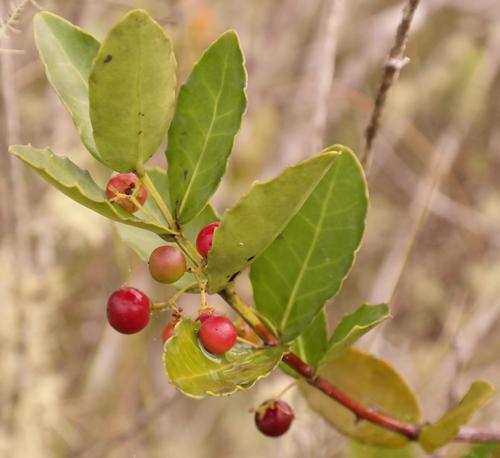
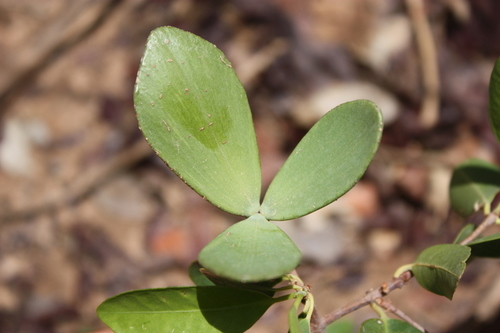
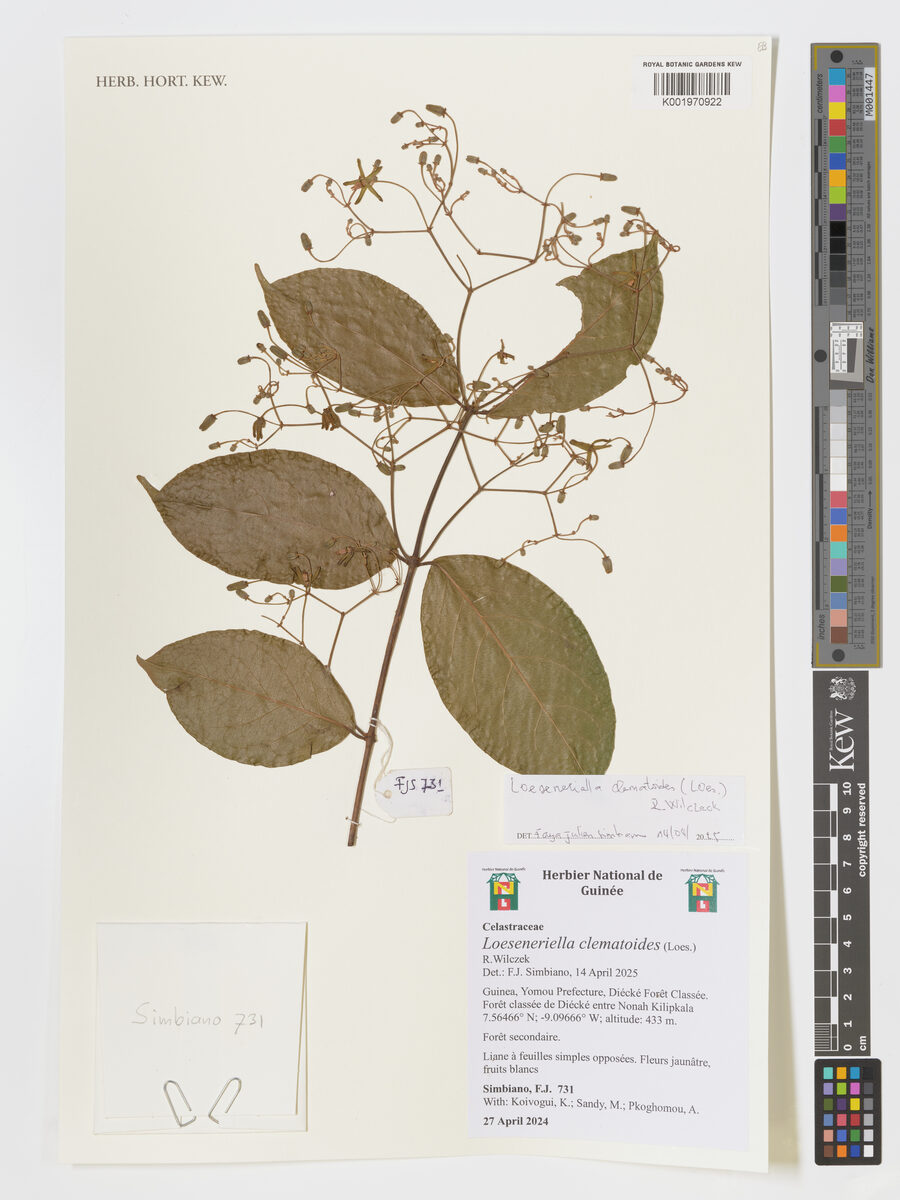
A tree. It is like Elaeodendron orientale. The leaves remain the same size. The edges of the leaves are scalloped. The flower group are loose and 10 cm long.
Edible Uses
The leaves are used as tea, and the root is edible.
Medicinal Uses
The dried and powdered leaves are used as sternutatoires. They are also burnt and the smoke used as a fumigant in the treatment of certain nerve diseases, particularly to rouse women from hysteria. The powdered leaves are used as a snuff to relieve headaches. The bark is astringent and is also considered poisonous. The fresh root bark is rubbed into a paste with water and applied as a poultice on swellings. The root is said to be specific against snake-bite. A cold water extract of the crushed roots is used as an emetic.
Known Hazards
The bark is considered to be poisonous.
Distribution
A tropical plant. It grows in tropical Asia.
Where It Grows
Asia, Hawaii, India, Myanmar, Pacific, SE Asia, Sri Lanka*, USA,
Cultivation
Prefers a clay soil.
Other Uses
A high quality gum is obtained from the plant. It is only available in small quantities. The bark contains from 8 - 13.5% tannins. The leaves contain from 8 - 15% tannins. The heartwood is a dirty brick-red; it is not clearly demarcated from the white outer wood. It has an exceedingly close, firm grain, is moderately hard and durable. It is easy to work, yielding a very smooth surface. An excellent wood, but usually only available in smaller sizes and so not very useful commercially. It can be used for cabinet work and picture frames.
Synonyms
Also Known As
Ratangaura
References (4)
- Hedrick, U.P., 1919, (Ed.), Sturtevant's edible plants of the world. p 287
- Kumar, R. & Saikia, P., 2020, Wild edible plants of Jharkhand and their utilitarian perspectives. Indian Journal of Traditional Knowledge Vol 19 (2), April 2020, pp 237-250
- Staples, G.W. and Herbst, D.R., 2005, A tropical Garden Flora. Bishop Museum Press, Honolulu, Hawaii. p 232
- Syn. pl. 1:241. 1805