Bursera hindsiana
(Benth.) Engler
Copal
iNaturalist· cc-by-nc
(c) Jose Luis Leon de la Luz, some rights reserved (CC BY-NC), uploaded by Jose Luis Leon de la Luz
iNaturalist· cc-by-nc
(c) Jose Luis Leon de la Luz, some rights reserved (CC BY-NC), uploaded by Jose Luis Leon de la Luz
iNaturalist· cc-by-nc
(c) Carlos Gonzalez, some rights reserved (CC BY-NC), uploaded by Carlos Gonzalez
Summary
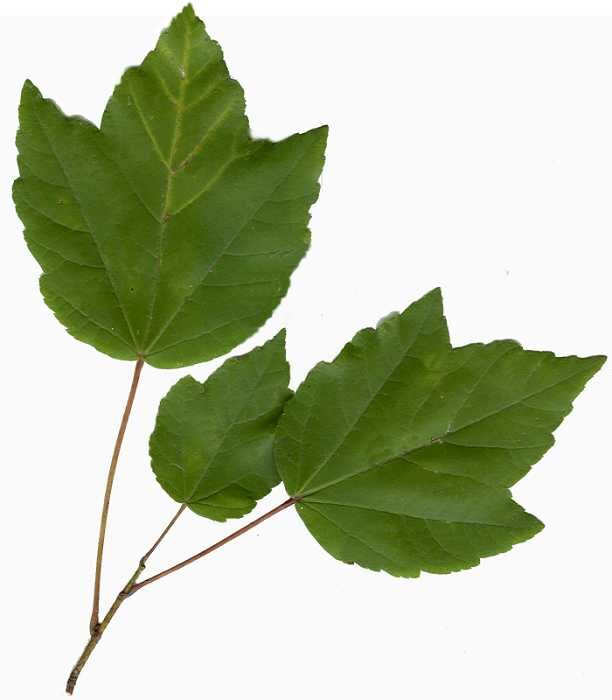
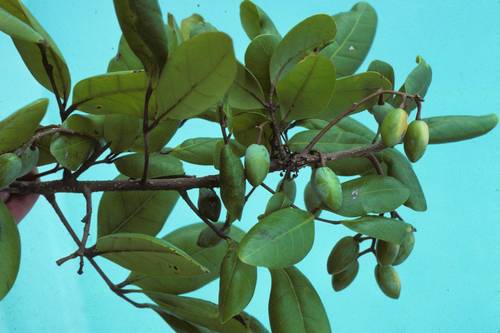
Source: WikipediaBursera hindsiana is a Mexican tree species in the frankincense family in the soapwood order. It grows in Sonora and in both of the states of Baja California. This includes several of the islands in the Gulf of California. Bursera hindsiana is a small tree. Bark is brown on the first-year branches, gray on the older stems. Leaves are pinnately compound with 5 or 7 leaflets, rarely more than 3 cm long, hairy on both sides.
Description
A shrub or small tree. It loses its leaves during the year. It grows 3.6 m tall. The flowers are small. The fruit are oval and 1.2 cm long.
This description is brief — help expand it
Edible Uses
The seeds are eaten as a famine food.
Distribution
It is a subtropical plant. It needs to be in full sun. It suits hardiness zones 9b-10.
Where It Grows
Mexico,
Cultivation
The tree can be used as a living fence or hedge.
Other Information
The seeds are a famine food.
Also Known As
Torote prieto
References (1)
- Kermath, B. M., et al, 2014, Food Plants in the Americas: A survey of the domesticated, cultivated and wild plants used for Human food in North, Central and South America and the Caribbean. On line draft. p 152