Tetrastigma bracteolatum
(Wall. ex M. Laws) Planch.
Monjam hei
gbif· cc-by
Royal Botanic Gardens, Kew
gbif· cc-by
Royal Botanic Gardens, Kew
gbif· cc0
Royal Botanic Garden Edinburgh
Description
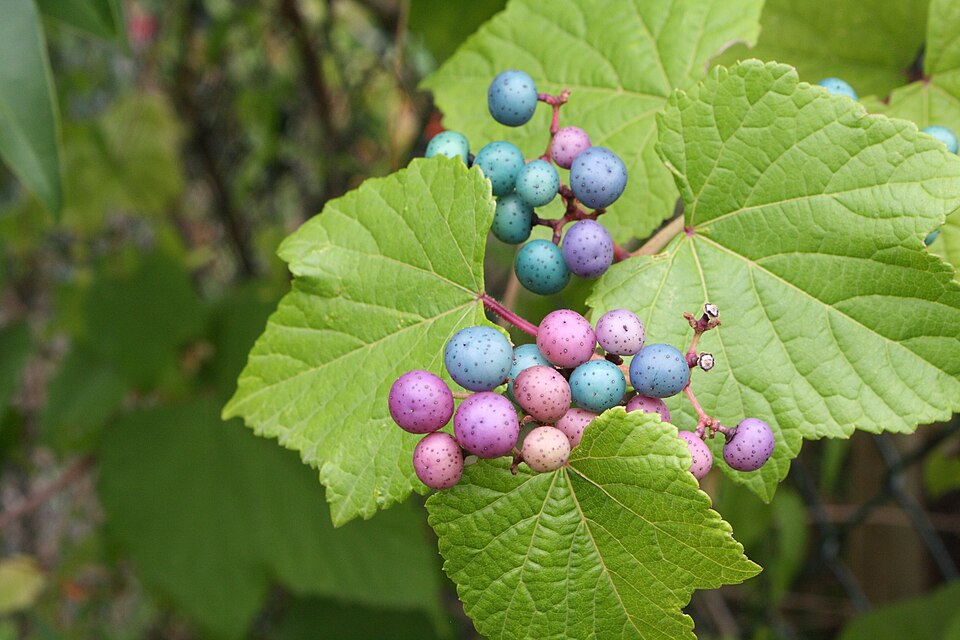
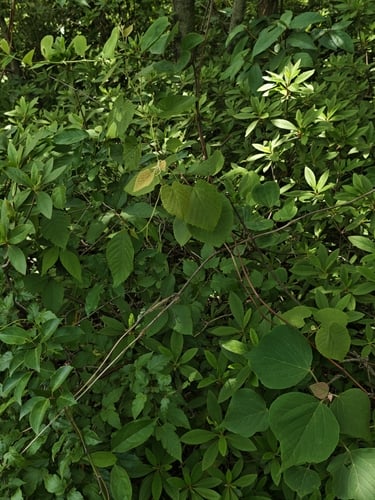
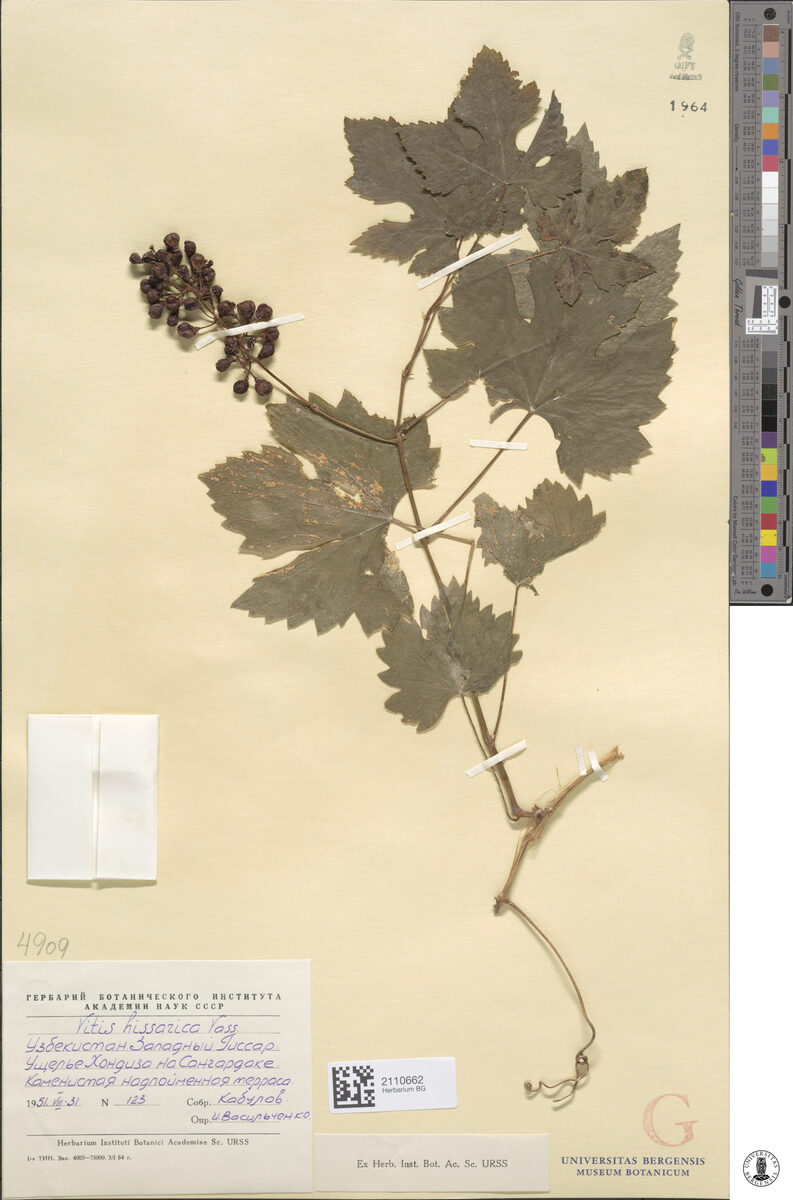
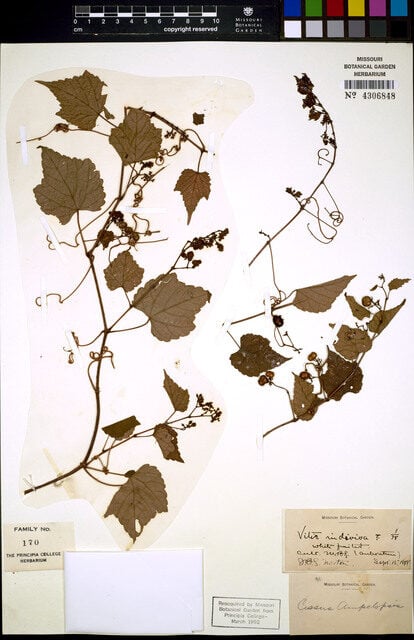
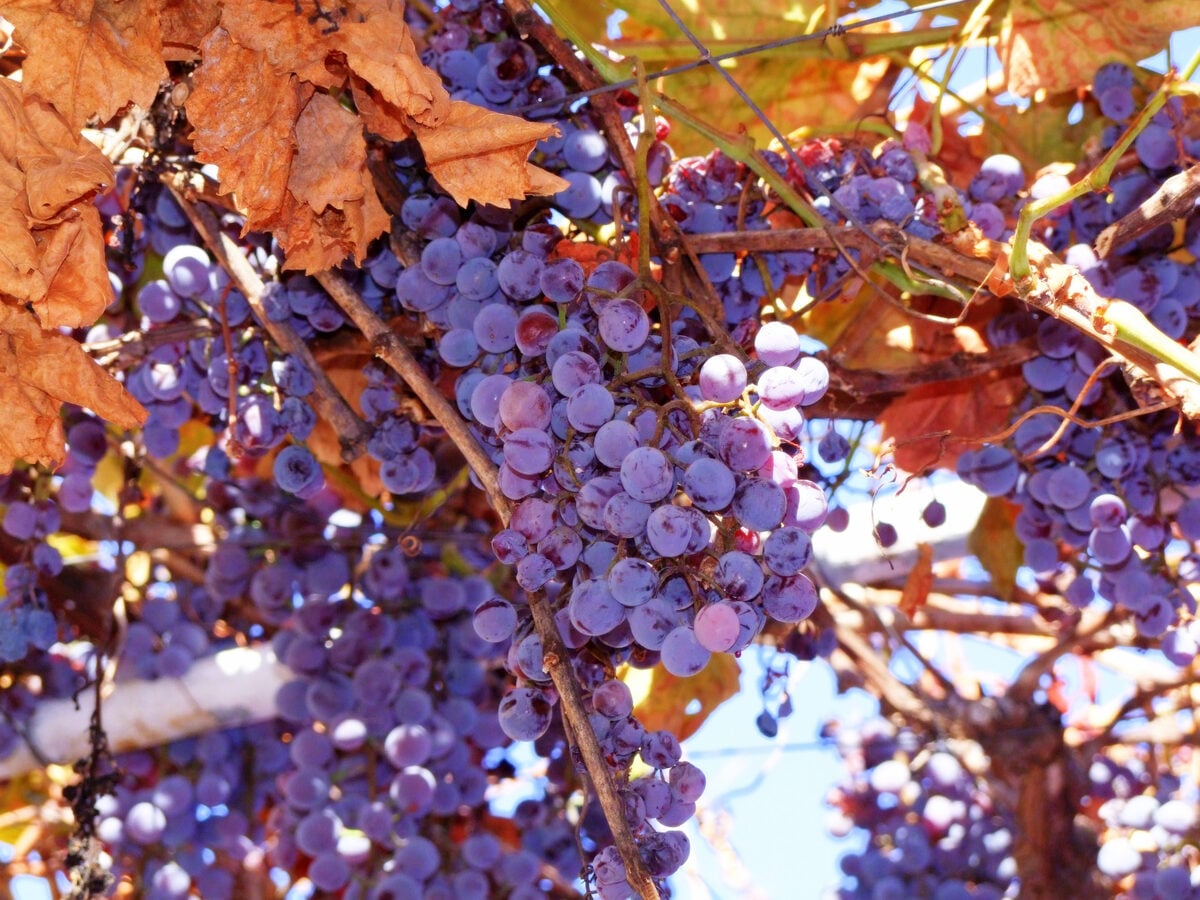
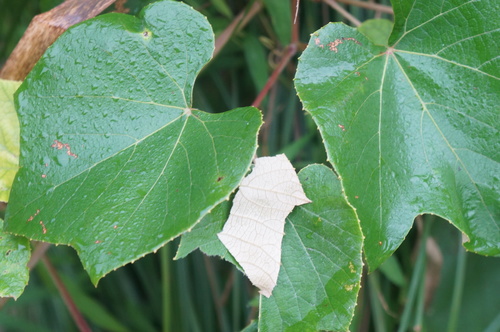
A large woody climber. It has tendrils. The branches are very slender. The leaves are compound with leaflets like fingers on a hand. There are 3 leaflets.
Edible Uses
The ripe fruit are eaten raw; they have a somewhat sour taste.
Traditional Uses
The ripe fruit are eaten raw. They are somewhat sour.
This uses section is brief — help expand it
Distribution
It is a subtropical plant. In Sikkim it grows between 1,000-1,600 m above sea level.
Where It Grows
Asia, Bangladesh, Himalayas, India, Myanmar, Nepal, Northeastern India, SE Asia, Sikkim,
Production
In Sikkim fruit are available in December to January.
Notes
There are about 90 Tetrastigma species. They are mostly in India and Asia.
Synonyms
Also Known As
Charchare, Durujedoukha, Durujeokha, Golgotilata, Hrui-ri-thet, Khurangul ludi, Monja-mahei, Nwe-sein, Soh-mei-boit, Toludorrik, Tundor-rik
References (11)
- Ambasta, S.P. (Ed.), 2000, The Useful Plants of India. CSIR India. p 631
- A. L. P. P. de Candolle & A. C. de Candolle, Monogr. phan. 5:428. 1887
- Bandyopadhyay, S. et al, 2009, Wild edible plants of Koch Bihar district, West Bengal. Natural Products Radiance 8(1) 64-72
- Checklist of the Plants of Myanmar
- Flowers of India, flowersofindia.net
Show all 11 references Hide references
- Kar, A., et al, 2013, Wild Edible Plant Resources used by the Mizos of Mizoram, India. Kathmandu University Journal of Science, Engineering and Technology. Vol. 9, No. 1, July, 2013, 106-126
- Majumdar, K and Datta, N., 2009, Traditional wild edible fruits for the forest dwellers of Tripura, India. Pleione 3(2) 167-178
- Pasha, M. K. & Uddin, S. B., 2019, Minor Edible Fruits of Bangladesh. Bangladesh J. Plant Taxon. 26(2): 299–313
- Singh, V. B., et al, (Ed.) Horticulture for Sustainable Income and Environmental Protection. Vol. 1 p 220
- Sundriyal, M., et al, 1998, Wild edibles and other useful plants from the Sikkim Himalaya, India. Oecologia Montana 7:43-54
- Sundriyal, M., et al, 2004, Dietary Use of Wild Plant Resources in the Sikkim Himalaya, India. Economic Botany 58(4) pp 626-638