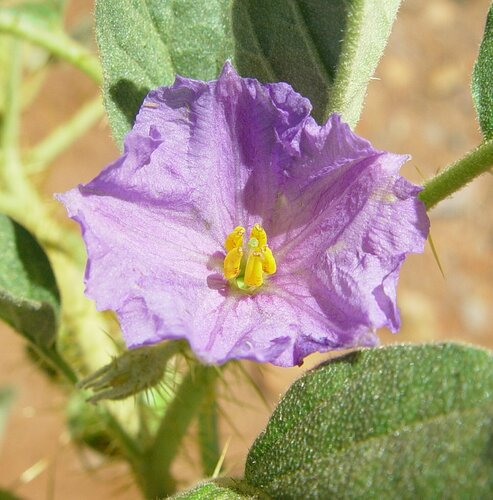
Solandra grandiflora
Sw.
Showy chalicevine, Silver cup
iNaturalist· cc-by-nc
(c) joelmiles, some rights reserved (CC BY-NC)
iNaturalist· cc-by
(c) Juan Carlos Caicedo Hernández, some rights reserved (CC BY), uploaded by Juan Carlos Caicedo Hernández
iNaturalist· cc-by-nc
(c) Bronzit_poet, some rights reserved (CC BY-NC), uploaded by Bronzit_poet
Summary
Source: WikipediaSolandra grandiflora, the showy chalicevine, or papaturra is a member of the nightshade (Solanaceae) genus Solandra and, like the other members of the genus, is a climbing plant with large, attractive, trumpet-shaped flowers. It is native to Central America and northern South America and is widely grown in the tropics as an ornamental. The green parts of the plant are highly toxic (hallucinogenic / delirient in small doses), due to tropane alkaloid content, and have caused deaths from anticholinergic poisoning, but the flesh of the ripe fruit (although not the unripe fruit or seeds) is said to be edible. The fruits, which are globular and largely enclosed by the accrescent calyces, can reach a kilogram in weight and have a taste described as apple-like or melon-like.
Description
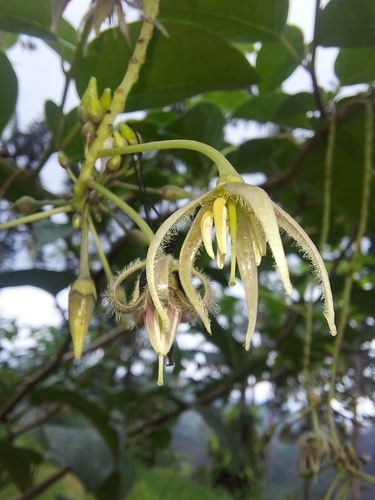
A climber or woody vine. It climbs over vegetation nearby. The vines can be 30 m long. Tendrils and roots can form from each node. Leaves are on the main vine and side branches. They are thick and dark green. They can be 15 cm long by 7 cm wide. The flowers are large. They can be 25 cm long and are bell shaped. Plants flower at night and have a strong scent. The fruit are large and yellow with many seeds.
Edible Uses
The fruit are eaten, though they probably should not be.
Traditional Uses
The fruit are eaten. They probably should not be eaten. CAUTION: Some Solandra are poisonous. They contain hallucinogenic drugs.
This uses section is brief — help expand it
Known Hazards
Symptoms caused by ingestion of plant parts - even from chewing fragments of flowers - include dryness of throat, headache, weakness, fever, delirium, hallucinations and potentially fatal circulatory and respiratory failure.
Distribution
It is a tropical plant. It grows near the coast.
Where It Grows
Antilles, Asia, Australia, Brazil, Central America, India, Jamaica*, Mexico, Panama, Puerto Rico, South America*, Venezuela, West Indies,
Cultivation
Plants grown from cuttings rarely flower.
Production
It grows quickly.
Notes
There are about 8-10 Solandra species. They grow in tropical America. The fruit are considered magical and aphrodisiac. They contain alkaloids.
Synonyms
Also Known As
Gusticha, Trumpet flower
References (6)
- Ambasta, S.P. (Ed.), 2000, The Useful Plants of India. CSIR India. p 579
- Hibbert, M., 2002, The Aussie Plant Finder 2002, Florilegium. p 291
- http://www.botanic-gardens-ljubljana.com/en/plants
- Kermath, B. M., et al, 2014, Food Plants in the Americas: A survey of the domesticated, cultivated and wild plants used for Human food in North, Central and South America and the Caribbean. On line draft. p 813
- Kongl. Vetensk. Acad. Nya Handl. 8:300, t. 11. 1787
Show all 6 references Hide references
- World Checklist of Useful Plant Species 2020. Royal Botanic Gardens, Kew