Cyphomandra casana
A. Child
Casana
No photos yet for Cyphomandra casana
Sign in to contribute a photoSummary
An evergreen frost-tender tree reaching 2 m tall with fast growth rate. Hardy to UK zone 9. Year-round leaves with hermaphroditic, insect-pollinated, self-fertile flowers. Requires full sun and well-drained soil suitable for light sandy, medium loamy, and heavy clay types across mildly acidic to mildly alkaline pH. Prefers consistently moist soil.
Description
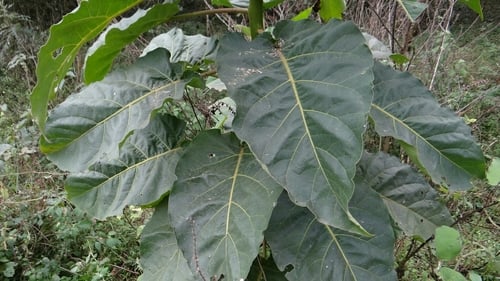
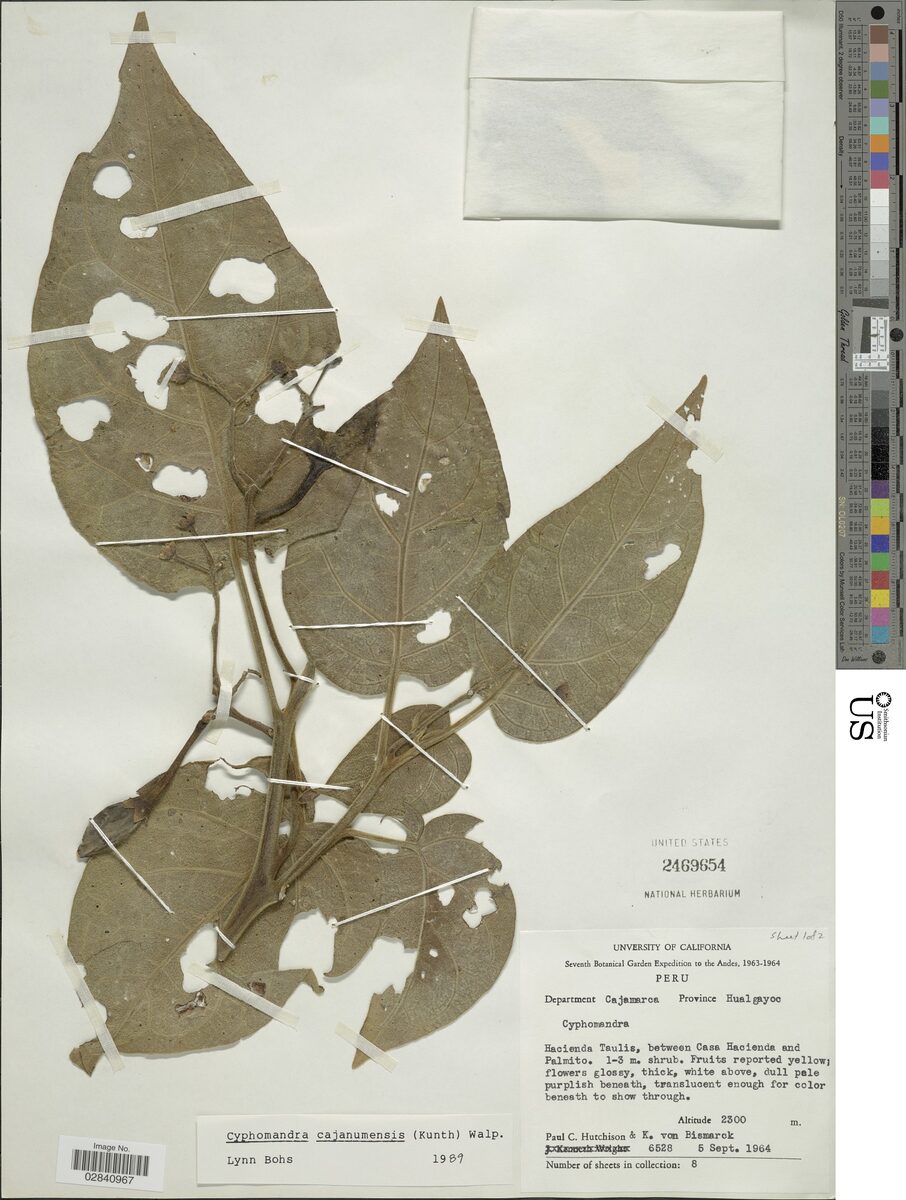
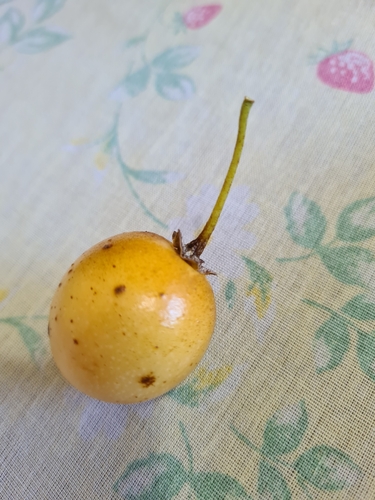
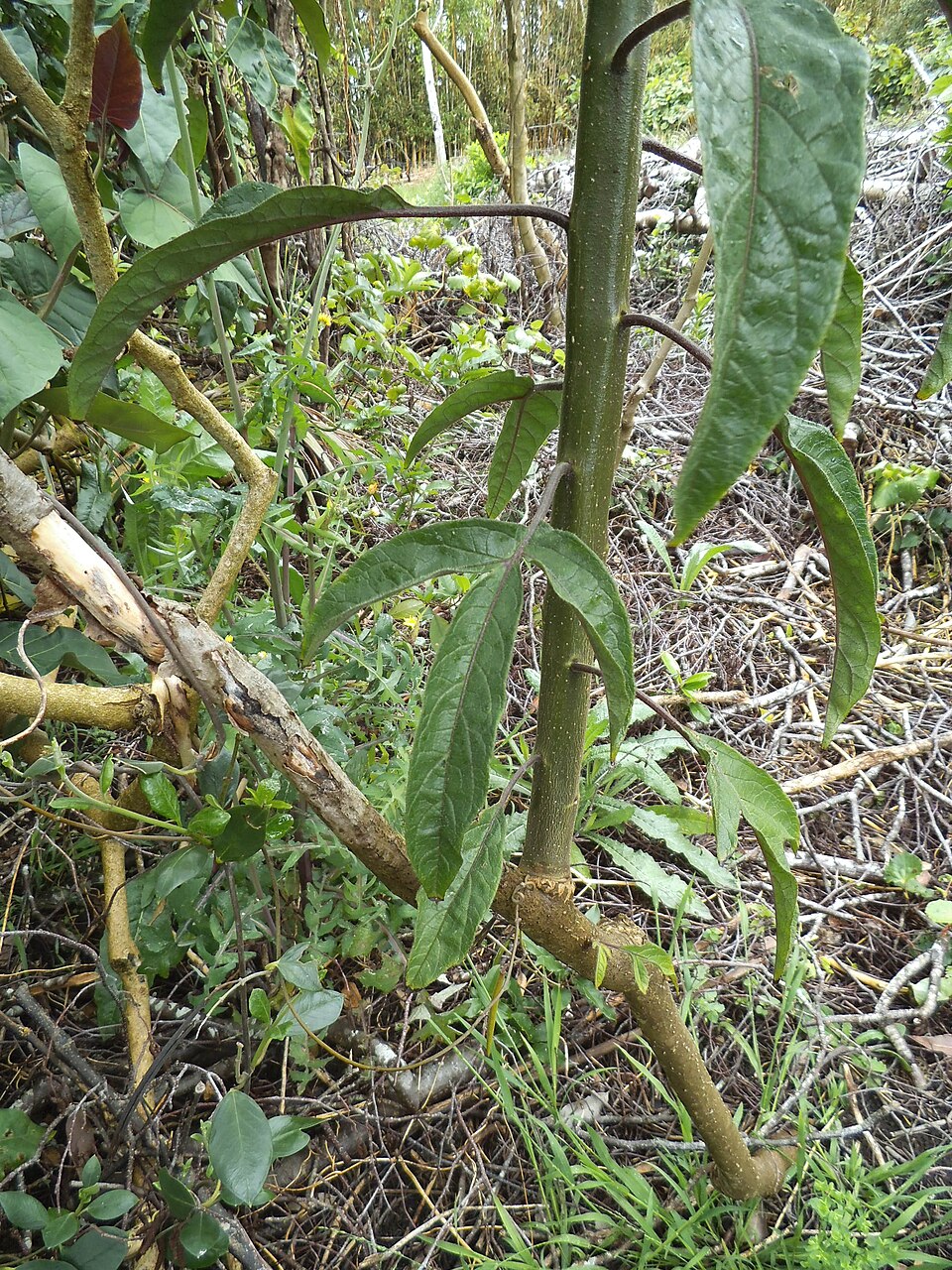
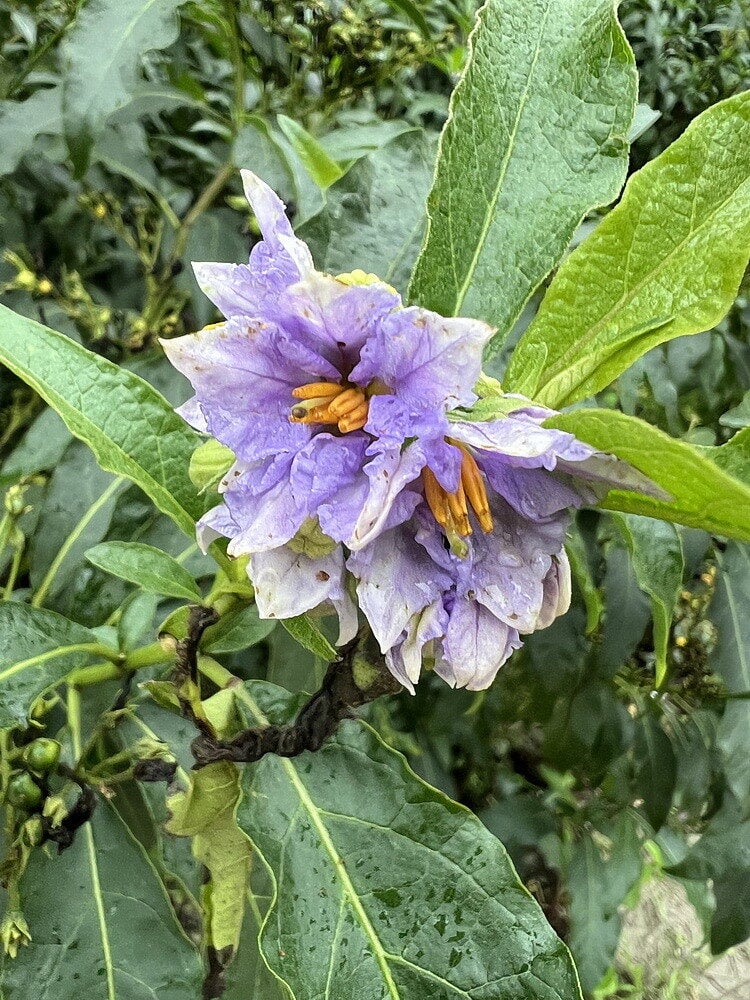
A small tree. It grows 2-4 m tall. It is evergreen. It is like a tamarillo but new growth is green. The leaves are darker green, large and more hairy than tamarillo. The fruit are yellow and 8 cm long by 4 cm wide. The fruit are edible. The fruit contain many seeds.
Edible Uses
The fruit can be eaten raw or cooked. It is sweet and juicy with a flavour said to resemble a blend of peach and tomato.
Traditional Uses
The ripe fruit are eaten raw.
This uses section is brief — help expand it
Medicinal Uses
None known.
Known Hazards
The unripe fruit is slightly toxic.
Distribution
A tropical plant. It grows in heavy clay soils. It suits cool, moist shady places. It needs frost free locations. It can stand some shade. It grows best in semi-shaded, misty rainforest. It needs good drainage.
Where It Grows
Andes*, Australia, Ecuador, South America,
Cultivation
Succeeds in a sunny position in any well-drained soil. Prefers a light fertile soil. Dislikes drought. Plants are very prone to wind damage. Plants fruit best with cool temperatures in the growing season. This species is probably not hardy in Britain, but like the related tree tomato it might be possible to grow it outdoors in the summer and bring it into a warmer place for the winter. Plants are probably insensitive to day-length. Very fast growing, it starts to fruit within two years from seed and reaches peak production in 3 - 4 years. Trees are, however, short-lived and start to degenerate after about 8 years. This species could be a valuable source of gene material for qualities such as nematode resistance, root rot resistance, fragrance, flavour, colour and yield. Plants have a shallow spreading root system and resent surface hoeing, they are best given a good mulch. Plants usually ripe their fruit over a period of time, though pruning methods can be used to produce a peak time of fruiting. The leaves have a pungent smell. Plants are subject to attacks by red spider mites.
Propagation
Sow seed in spring in a greenhouse. Germination typically occurs within 4 weeks at 15°C or within 2 weeks at 25°C. Once large enough to handle, prick seedlings into individual pots and grow on in the greenhouse for at least their first winter. Plant out into permanent positions in late spring or early summer, after the last expected frosts. The plant can also be propagated from greenwood cuttings taken in a frame.
Other Uses
None known.
Production
Fruiting begins in 2 years or when plant reach 2 m high.
Other Information
It is a cultivated food plant.
Notes
There are about 30 Cyphomandra species. An unresolved name in The Plant List.
Synonyms
References (6)
- Bohs, L., 1989, Ethnobotany of the Genus Cyphomandra (Solanaceae). Economic Botany 43(2) pp. 143-163
- Facciola, S., 1998, Cornucopia 2: a Source Book of Edible Plants. Kampong Publications, p 233
- Gouldstone, S., 1983, Growing your own Food-bearing Plants in Australia. Macmillan p 84
- Hibbert, M., 2002, The Aussie Plant Finder 2002, Florilegium. p 80
- Lyle, S., 2006, Discovering fruit and nuts. Land Links. p 177
Show all 6 references Hide references
- Plants for a Future database, The Field, Penpol, Lostwithiel, Cornwall, PL22 0NG, UK. http://www.scs.leeds.ac.uk/pfaf/