Rhodamnia sessiliflora
Benth.
Iron malletwood
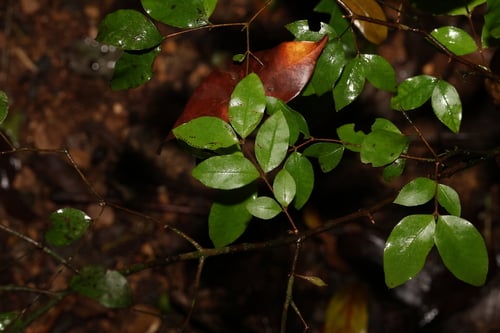
iNaturalist· cc-by-nc
(c) Rene, some rights reserved (CC BY-NC), uploaded by Rene
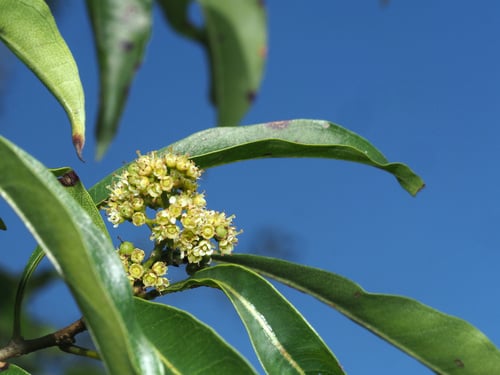
iNaturalist· cc-by-nc
(c) ryanthughes, some rights reserved (CC BY-NC)
iNaturalist· cc-by-nc
(c) ryanthughes, some rights reserved (CC BY-NC)
Summary
Source: WikipediaRhodamnia sessiliflora, commonly known as iron malletwood, is a small tree in the eucalyptus family Myrtaceae, found only in the Wet Tropics bioregion of Queensland, Australia.
Description
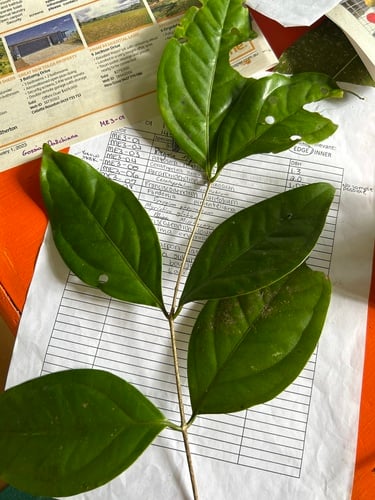
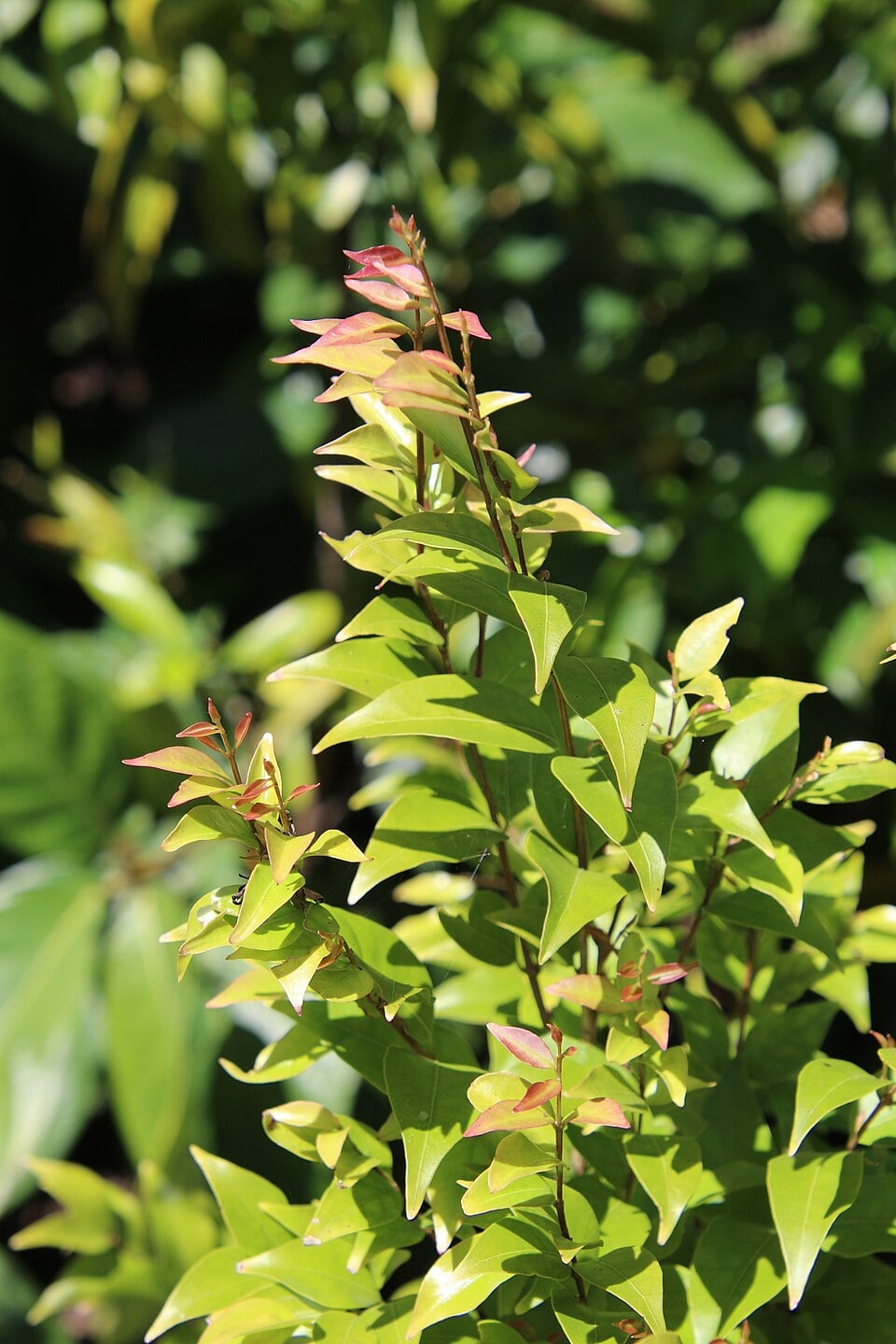
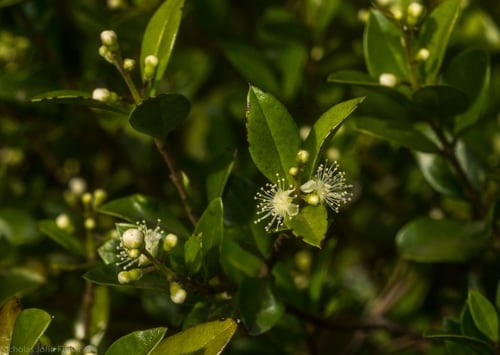
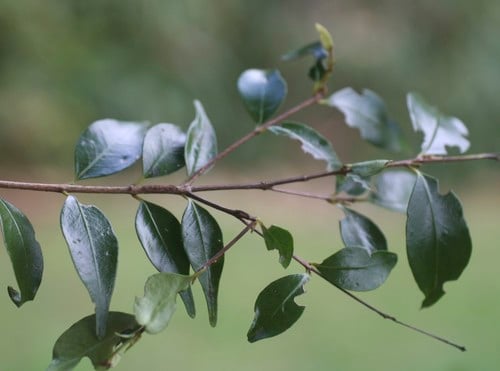
A small tree to 8 m tall. It has a bushy habit. The young shoots have many pale hairs. The leaves are oval or rounded and 12-20 cm long by 5.5 cm across. They have 3 prominent veins. They are dark green on the upper surface and with woolly hairs underneath. The flowers occur in clusters. They are small and white to pink. They are hairy and without stalks. They grow in the axils of leaves. The fruit are berries which are black and round. They are about 0.5-1 cm across. They are covered with very small fine hairs. They contain 14-40 seeds. The seeds are 3.5 mm long by 3 mm across. The flesh of the fruit is edible.
Edible Uses
The fruit flesh is edible.
Distribution
It is a tropical and subtropical plant. It grows in the rainforest. In tropical Queensland it grows from sea level to 1200 m altitude.
Where It Grows
Australia*, Pacific, Papua New Guinea, PNG,
Cultivation
Plants are grown from seed which must be planted fresh.
Production
In Australia, they flower from August to September and fruit from December to January (December to June).
References (5)
- Cooper W & Cooper W T, 1994, Fruits of the Rain Forest. RD Press p 244
- Cooper, W. and Cooper, W., 2004, Fruits of the Australian Tropical Rainforest. Nokomis Editions, Victoria, Australia. p 352
- Jackes, B.R., 2001, Plants of the Tropics. Rainforest to Heath. An Identification Guide. James Cook University. p 68
- Jones D, L, 1986, Ornamental Rainforest Plants in Australia, Reed Books, p 73
- Townsend, K., 1994, Across the Top. Gardening with Australian Plants in the tropics. Society for Growing Australian Plants, Townsville Branch Inc. p 328