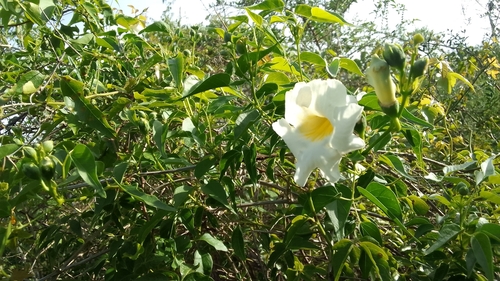
Radermachera xylocarpa
(Roxb.) K. Schum.
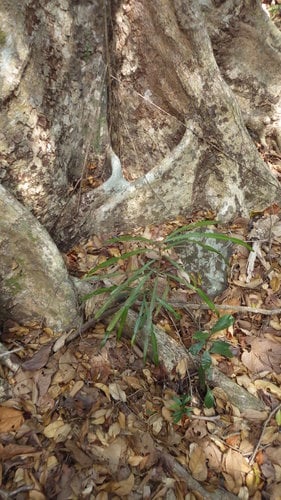
Padri tree
iNaturalist· cc-by-nc
(c) Anil Kumar Verma, some rights reserved (CC BY-NC), uploaded by Anil Kumar Verma
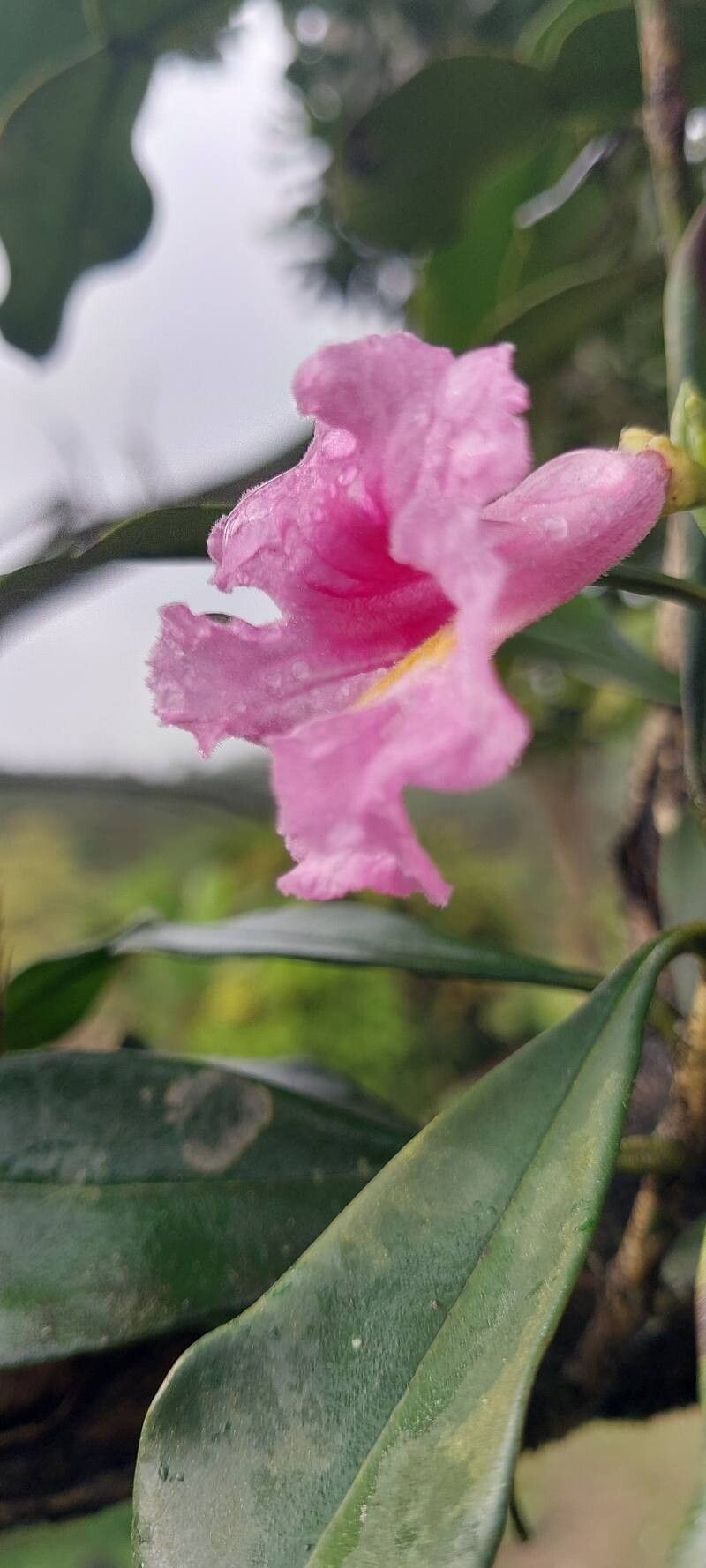
iNaturalist· cc-by
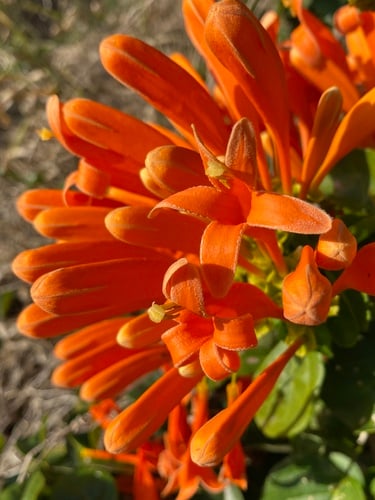
(c) Siddarth Machado, some rights reserved (CC BY), uploaded by Siddarth Machado
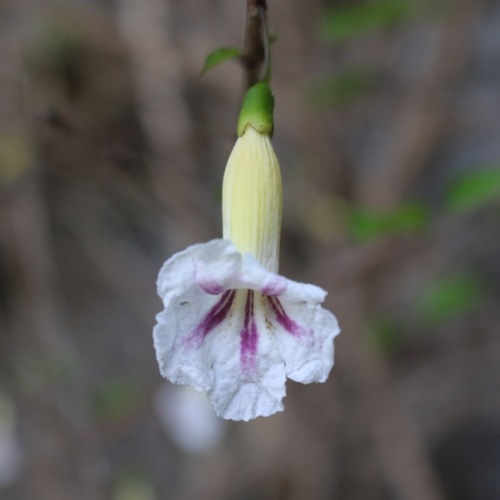
iNaturalist· cc0
no rights reserved, uploaded by S.MORE
Summary
Source: WikipediaRadermachera xylocarpa is a species of plant in the family Bignoniaceae. It is endemic to India. Radermachera xylocarpa is reported to contain steroidal compounds like stegmasterol, sitosterol, cholesterol etc. with higher concentrations in different part of the plant.
Description
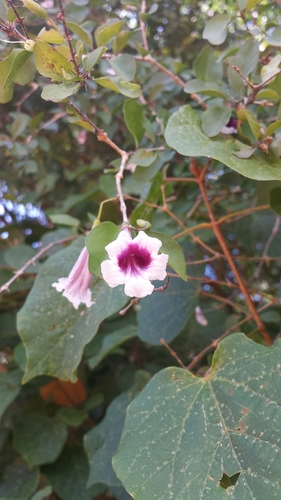
A tree. It loses its leaves during the year. It grows 5-10 m tall. The bark is grey, soft and scaly. The leaves are opposite and with leaflets along the stalk. The leaves are 25-100 cm long. There are 3-9 leaflets that are 5-8 cm long. They have a rounded base and sharp tip. The flowers are in dense panicles at the ends of branches. They are white. The flowers are 4-6 cm long and funnel shaped. The fruit are capsules up to 1 m long and 5 cm wide. They are curved and woody. The sedds are 1.5 cm long and have wings.
Edible Uses
The tender fruits are eaten as a vegetable.
Traditional Uses
The tender fruits are eaten as a vegetable.
This uses section is brief — help expand it
Distribution
A tropical plant. It grows in dry deciduous forest.
Where It Grows
Asia, India*,
Other Uses
The heartwood is small, orange-brown and very hard. The thick layer of sapwood is grey in colour. The wood is good and handsome; it is tough and elastic and takes a good polish. It is used for cabinet-work, cart-poles and shafts. It deserves to be better known and to be in more general use.
Production
In India plants flower March to April.
Notes
It contains steroids.
Synonyms
Also Known As
Bairsinge, Edangkorna, Jaimangal, Kadashing, Kharsing, Khonda-partoli, Koonanakoombumurra, Mulaiutbi, Nagadudilam, Paral, Pathiri, Udi, Vadencarni, Vedangkonna, Vedanguruni, Warawaili
References (2)
- Ambasta S.P. (Ed.), 2000, The Useful Plants of India. CSIR India. p 512
- H. G. A. Engler & K. A. E. Prantl, Nat. Pflanzenfam. 4(3b):311. 1895