Pulicaria crispa
Oliver
Crisp-leaved fleabane
iNaturalist· cc-by
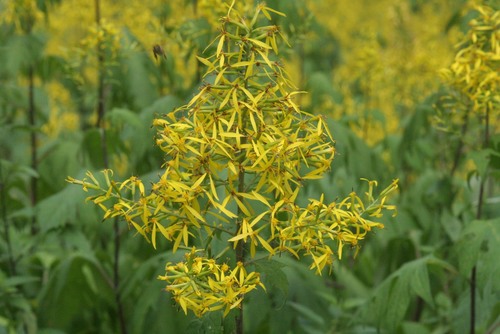
(c) Karim Haddad, some rights reserved (CC BY)
iNaturalist· cc-by
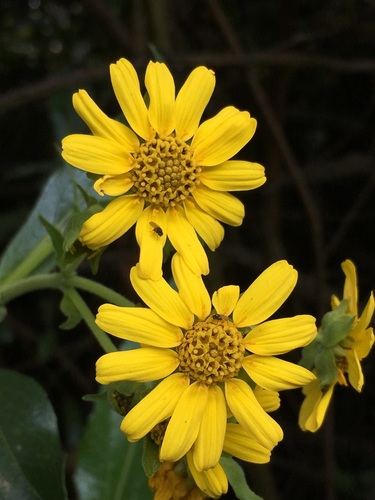
(c) Karim Haddad, some rights reserved (CC BY)
iNaturalist· cc-by
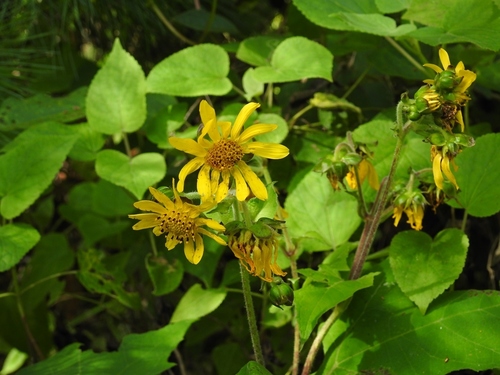
(c) Karim Haddad, some rights reserved (CC BY)
Description
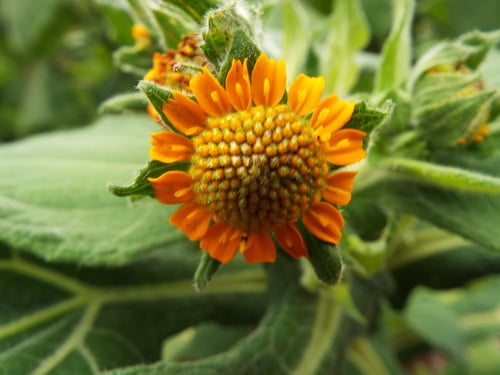
A herb that keeps growing from year to year. It lies close to the ground and can be 40 cm high. The stems are branching and whitish-green. They are hairy. They can be tangled or straggly. The leaves grown close to the stem. They are light green and hairy. The leaves are narrow and have teeth. The flowers are yellow and in heads. The ray florets curl back under the heads.
Edible Uses
The leaves are used as a substitute for tea.
Traditional Uses
The leaves are used as a substitute for tea.
This uses section is brief — help expand it
Medicinal Uses
It is reported to have medicinal properties.
Distribution
It is a Mediterranean climate plant. In Bahrain it grows in gravelly soils in desert areas. It can grow in arid places.
Where It Grows
Asia, Bahrain, India, Middle East, Saudi Arabia,
Notes
It is reported to have medicinal properties.
Also Known As
Burhna, Bui, Dhola lizru, Gidi, Haldwa, Jithjath, Phatmer, Sutei, Yithyath
References (3)
- Al-Sodany, Y. M., et al, 2013, Medicinal Plants in Saudi Arabia: I. Sarrwat Mountains at Taif, KSA. Academic Journal of Plant Sciences 6 (4): 134-145
- Ambasta S.P. (Ed.), 2000, The Useful Plants of India. CSIR India. p 505
- Phillips, D.C., 1988, Wild Flowers of Bahrain. A Field Guide to Herbs, Shrubs, and Trees. Privately published. p 74